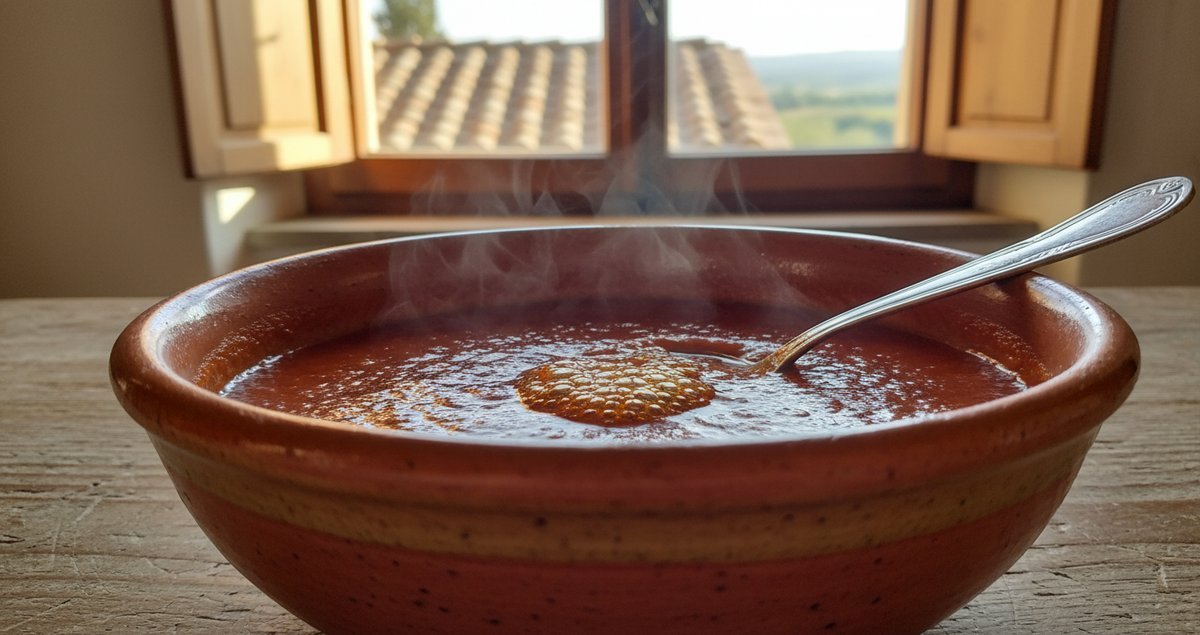
I tried it on a rainy Wednesday when a forgotten jar of canned tomatoes threatened to make dinner a sharp, regretful event. A tiny dusting of baking soda tamed the sauce enough that my partner ate two bowls and did not reach for the antacids. That moment — small and slightly illicit — is the kind of kitchen experiment that divides cooks into secret keepers and moralists. What follows is not a clinical paper. It is an account from the stove where taste, chemistry and stubborn habit meet. And yes I will argue that this trick deserves a place in your routine if you like tomato sauce and dislike the burn that sometimes comes with it.
What really happens when you add baking soda to tomato sauce
Tomatoes are acidic. That acidity is essential for brightness but also the offender behind that clawing sensation some of us call heartburn. Add a base to acid and they neutralize; in the kitchen that reaction shows as a brief fizz and a slight roundness to the flavour. The chemistry is simple and old. Sodium bicarbonate reacts with tomato acids producing carbon dioxide water and a sodium salt. The visual drama of the tiny bubbles gives you feedback — it is a working reaction and not magic. If you prefer the long version read a food chemistry primer; if you prefer the immediate version, try the pinch and taste.
There is real consensus among cooks: start small. Professional kitchens do not pour teaspoons into sauce. The operative word is microadjustment. A literal pinch for a medium pot often suffices. Add it toward the end of cooking so you keep the slow cooked complexity while removing the sharp edge that can set teeth on edge later.
Chef mentality versus lab neatness
Chefs treat baking soda as a tonal control. Some never touch it, citing risk to texture and purity. Others use it like a dimmer switch: a whisper of alkali to let the herbs and garlic speak. I will state plainly that the aesthetic you value will determine whether you embrace this tip. If you worship uncompromised acid note in a sauce, this will feel like sacrilege. If you prefer the comfort of a sauce that does not commit bodily vengeance two hours later, you will love it.
Importantly this is not a cure for reflux disease. It is a culinary adjustment that reduces the immediate acid load in a dish. How your stomach responds is shaped by many variables portion size meal composition and personal physiology. Still there is mechanical truth here: neutralize some acid and the dish is less likely to provoke a quick-onset acidic sting for sensitive diners. That is culinary pragmatism and not medical intervention.
“Sodium bicarbonate is widely used as an antacid and can quickly relieve heartburn.” — Andrew Weil M D Founder Program in Integrative Medicine University of Arizona.
You will notice I quoted a real physician there not to prescribe but to anchor the chemistry to a medical observation. His cautionary note later in the same essay about overuse and sodium intake is worth remembering. Doctors have seen people misapply household sodium bicarbonate with dangerous consequences and that is not the tone I want here. Taste carefully. Use less than you think you need.
How to do it without wrecking the sauce
Cook your sauce as you usually would. Near the end hold a small pinch of baking soda between thumb and forefinger and sprinkle it into the simmering pot. Stir observe the fizz wait thirty to sixty seconds and taste. If the sauce still pings at the back of your tongue add the tiniest extra pinch. Do not rush. If you overdo it you will not only flatten the brightness you will invite a metallic or soapy note that is very hard to recover from. Recovery is possible but fiddly: acid components like a splash of wine citrus or a handful of fresh herbs can sometimes rebalance the profile, but prevention is simpler.
When chefs say no
Some cooks warn that once you neutralize acidity you change the identity of the tomato. They are not wrong. The acid in tomatoes carries aromatic compounds and balance; removing too much of it can make a sauce honest but less interesting. Use the pinch when the tomatoes are assertive or when you know someone at your table needs mildness. If you are canning do not neutralize for shelf stability reasons — altered pH can be dangerous in preserved foods. That is a hard stop.
Personal take and what most blogs forget to say
Here I get opinionated. I prefer sauces that feel like a hand on the chest instead of a slap. I will choose comfort over aggressively sculpted acidity in home cooking more often than not. I also dislike the moralizing that surrounds kitchen tricks. Adding baking soda is neither cheating nor culinary laziness; it is targeted adjustment. But there is nuance: I believe cooks should practice sensory discipline. Learn to hear the fizz and to stop. That tiny act of restraint is more important than the trick itself.
There is another layer that rarely makes it into listicles. The cultural context matters. In many Italian homes the sauce is a religious object and any chemical intervention is frowned upon. In other kitchens where speed is king a pinch that softens canned tomatoes is essential. So the decision to use baking soda sits on a spectrum of aesthetics ethical positions and practical realities. My preference is not universal and I enjoy that it provokes debate. The best tricks do.
Final practical notes
Do not use baking powder. Use pure baking soda. If you are salting late remember baking soda subtly increases perceived sodium. If someone you cook for is on a strict low sodium regimen consider alternative tactics such as a touch of sugar longer simmering or pairing the sauce with bland starches. And again do not use this trick for anything you plan to can or jar for long term storage.
If you try it and it works you will not often shout about it. These small domestic mercies are quiet. If it fails you will likely remember that too and tell a neighbour. That is how culinary lore spreads — by trial and the occasional mistake. Keep tasting and keep a light hand.
Summary table
| Idea | Why it matters | How to apply |
|---|---|---|
| Neutralization with baking soda | Reduces immediate acidity in the sauce | Add a tiny pinch near the end of cooking stir wait and taste |
| Start micro | Prevents soapy metallic off notes | Use about 1 8 teaspoon for a medium pot then adjust by taste |
| Not for canning | Lowering pH can affect preservation safety | Avoid neutralizing sauces intended for jarred storage |
| Balance after overshoot | Acid and aroma can be partially restored | Add bright acidic elements like wine or lemon or fresh herbs sparingly |
FAQ
Will a pinch of baking soda completely stop heartburn?
No single kitchen trick is a universal solution. A pinch can reduce how acidic the dish is perceived which for many people lessens immediate gastric irritation after a meal. The effect varies by individual and by the total meal composition. This is a culinary tactic not a medical cure.
How much is too much when using baking soda in sauce?
Flavour changes become noticeable quickly. If you can taste the baking soda or the sauce turns flat or metallic you have gone too far. The common practice in busy kitchens is to add the smallest amount wait and taste rather than pouring measured teaspoons.
Can I substitute sugar or dairy instead?
Yes alternatives exist. Sugar can mask acidity without altering pH. Dairy can soften perception of acidity but it changes the texture and character of the sauce. Each approach has aesthetic consequences so choose based on the flavour outcome you want.
Is this safe for everyone and every meal?
In small culinary amounts the practice is generally safe for immediate consumption but it increases sodium to some extent and should not be used indiscriminately in preserved foods. If you have dietary restrictions take that into account when deciding to use this tweak.
What do chefs who refuse the trick recommend instead?
They suggest better tomatoes longer simmering to mellow acids or classical balancing techniques such as a pinch of sugar or finishing with extra virgin olive oil and fresh herbs. The underlying idea is to preserve the tomato character rather than neutralize it.
How do I know when the reaction is complete?
The fizzing subsides quickly and your taste will be the best indicator. Wait thirty to sixty seconds after adding and then taste. If there is still an aggressive bite add the tiniest extra pinch then repeat the wait and taste cycle.
