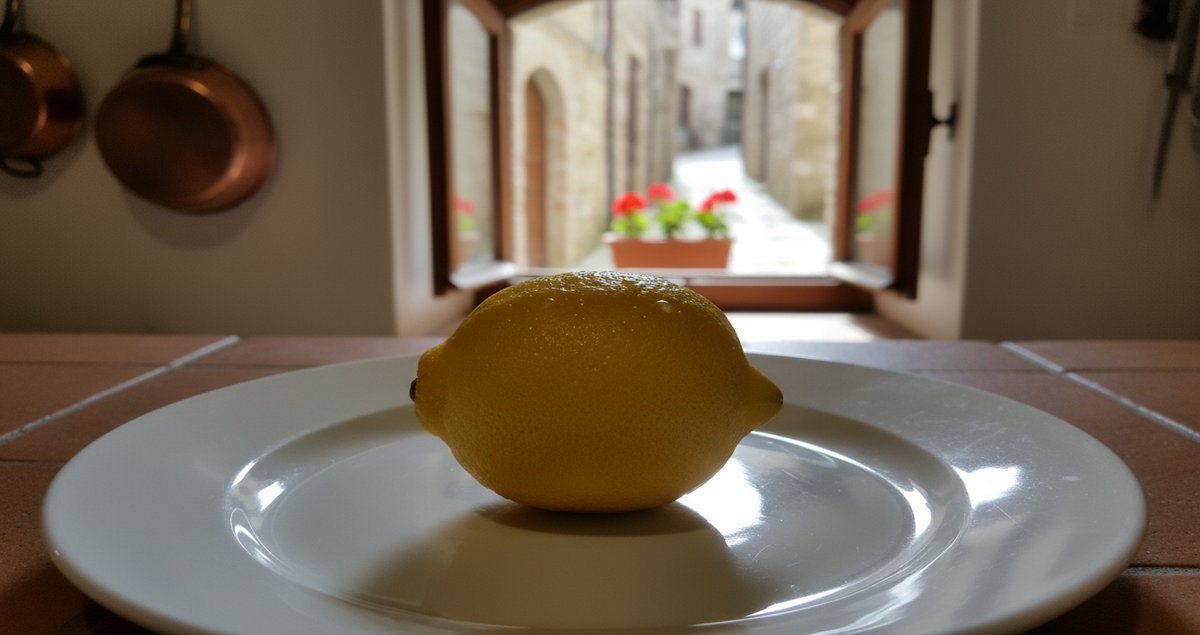
There is a tiny ritual I perform when a recipe asks for the juice of half a lemon. I give it a quick roll on the countertop and then zap it in the microwave for twenty seconds. It feels like cheating. Yet it works and it has a strange intimacy to it. Microwaving a lemon is not a miracle but it is a small lever that changes how you approach citrus in the kitchen.
Why people swear by it and why I do too
Most people recommend rolling a lemon under the palm of the hand or warming it under hot water. The claims are simple enough. Heat relaxes the membranes inside the fruit and the pulp releases more liquid. I was sceptical at first. It sounded like kitchen folklore dressed up in plausible biology. Then I started paying attention to the rhythm of the kitchen and how little interventions alter outcomes.
First hand observations
If you microwave a lemon for twenty to thirty seconds the skin becomes slightly more pliable. That difference is tactile and immediate. You press down with your reamer or squeeze with your hand and the juice yields with noticeably less resistance. It is not always about volume alone. Sometimes a lemon that is easier to squeeze produces a brighter extraction the way gently teasing a perfume bottle yields a clearer note. I prefer the technique when I need a quick burst of acid for a dressing or a drizzle. It is tidy and fast.
The evidence and an expert voice
There is a surprising amount of practical testing hidden in plain sight. Robert L Wolke a chemist and author who spent his career explaining kitchen science wrote about experiments on limes and described the effects of rolling and microwaving on juice yield and temperature. He noted that microwaving alone can make the juice uncomfortably hot but that rolling followed by microwaving made the fruit seem juicier. The test was no laboratory rigmarole but it was instructive.
Robert L Wolke Professor Emeritus of Chemistry University of Pittsburgh wrote that rolling and microwaving make the fruit seem juicier and that microwaving alone tends to make the juice uncomfortably hot.
I include this quote not to hide behind credentials but to remind readers that these little habits have been checked by people who care about method. It is a small piece of controlled curiosity applied to everyday tasks.
How to do it so you do not regret it
Place the lemon on a microwave safe plate. Heat for about twenty seconds on a medium setting. Do not overdo it unless you like scalding citrus. Let it cool for a beat so the juice is warm rather than blistering. Then roll and squeeze. The process is short and the muscle memory is pleasant. Do not pierce the rind with a fork unless you want a mess. It is that simple and therefore easily ignored by people who like fuss.
What you will notice beyond extra juice
There are small sensory shifts that do not make it into recipe books. Warmed lemon juice smells different. The volatile oils in the zest relax and the scent reads as more immediate. The acidity seems less sharp in the first second and then arrives with the same bite a beat later. In dressings that matters. A warmed squeeze sometimes integrates more softly into olive oil and gives a salad a subtler lift. In cocktails the timing of when citrus hits the palate changes the whole experience. These effects are not dramatic but they are meaningful to someone who cares about nuance.
When not to do it
If you need a lemon cold for a garnish or if you are preparing something where the temperature must remain low do not heat it. Likewise if you require absolute laboratory precision for a recipe that depends on exact acid concentration skip the microwave and use a scale and a pH meter. Most of the time however the little warming hack is harmless and pleasurable.
A few quiet caveats
Microwaves heat unevenly. They are also better at moving water molecules than at changing oils or sugars the way an oven might. If you overheat citrus you may burn off some of the most delicate aromatic compounds. That is why short bursts and medium power settings matter. There is also the inevitable cultural question. Some cooks see this as lazy and sentimental. Others will say it reveals a practical intelligence. I am firmly in the latter camp. Efficiency does not have to mean sloppiness.
Why I keep using the trick even when I could do otherwise
Because it is about reducing friction. A lemon that gives up its juice easily removes a small barrier between idea and result. You find yourself more likely to make a vinaigrette at the last minute or to dress a bowl of steamed greens. The microwave does not become a crutch. It becomes a tiny accelerant for creativity.
When this trick surprises you
Try it with lemons that have been sitting in the fridge. Cold fruit resists. Heating briefly makes them behave as if they were room temperature. Try it with older lemons that are a little dry. The technique will not restore long lost juice but it will coax out what remains. Sometimes it is the psychological permission to act that is most useful. Warming is a gentle nudge that says go on squeeze it. That nudge matters.
My not neutral position
I will say plainly that people who insist the microwave is a den of culinary sin have missed how it functions in a thoughtful kitchen. There are things it cannot do well. There are also tiny practical miracles it performs. Microwaving a lemon is in that second category. It is not artistry. It is a tidy act that frees up time and attention for the parts of cooking that matter more to me.
Closing thought
Small tricks do not replace craft. They amplify it. Microwaving a lemon is one of those tiny amplifications. It is quick. It saves effort. It yields subtle changes to aroma and texture. And it invites you to reconsider familiar objects with a scientist’s curiosity and a cook’s impatience.
Summary table
| Action | Result |
|---|---|
| Roll then microwave for 20 to 30 seconds | Fruit softens more juice is easier to extract aroma becomes more immediate |
| Microwave alone | Juice warms quickly can become uncomfortably hot |
| Do not heat | Maintain cold garnish or precise temperature control |
FAQ
Will microwaving a lemon increase the amount of juice significantly
It can increase ease of extraction and make the fruit yield more readily. The absolute increase in volume is modest and varies by fruit. Rolling before microwaving tends to help. These are practical tweaks not magic volume multipliers.
How long should I microwave a lemon for best results
Short bursts of about twenty to thirty seconds at a medium power level are usually enough. The aim is to warm and relax the membranes not to cook the fruit. Let the lemon sit for a moment after heating before handling to avoid scalding.
Does microwaving change the taste of the lemon
Yes in subtle ways. Volatile aromatic compounds become more pronounced and the initial perception of acidity can be tempered by warmth. The changes are subtle and can be an advantage in dressings and warm preparations.
Is this technique useful for older lemons or refrigerated lemons
It is particularly useful for chilled or slightly stale lemons because heat helps loosen the internal membranes. It will not reverse serious drying but it will make squeezing easier and often extract the remaining juice with less effort.
Will this method ruin delicate recipes
For recipes that require a cold component or very precise acid levels avoid heating. For most everyday applications the small change in temperature and aroma is beneficial and will not harm the recipe.
