I am tired of the same polite kitchen advice that sounds like it came from a brochure. Kitchen mistakes at home are not just harmless quirks. They are habits that quietly erode flavor confidence, make simple dinners sloppy, and sometimes make people sick. This is not a lecture. It is a close look at what actually trips people up when they cook, with a few hard opinions and a couple of things I learned the hard way.
Why we keep repeating the same micro errors
People treat the kitchen like a casual experiment zone and then get annoyed when a dish fails. We shrug off mise en place. We chase convenience gadgets. We think a recipe will save us if something goes wrong. All of these are excuses more than solutions. When I lived in a tiny apartment with an oven the size of a shoebox I learned the art of honest, direct fixes. That impatience taught me more than one premium cookbook ever did.
A confession before we go further
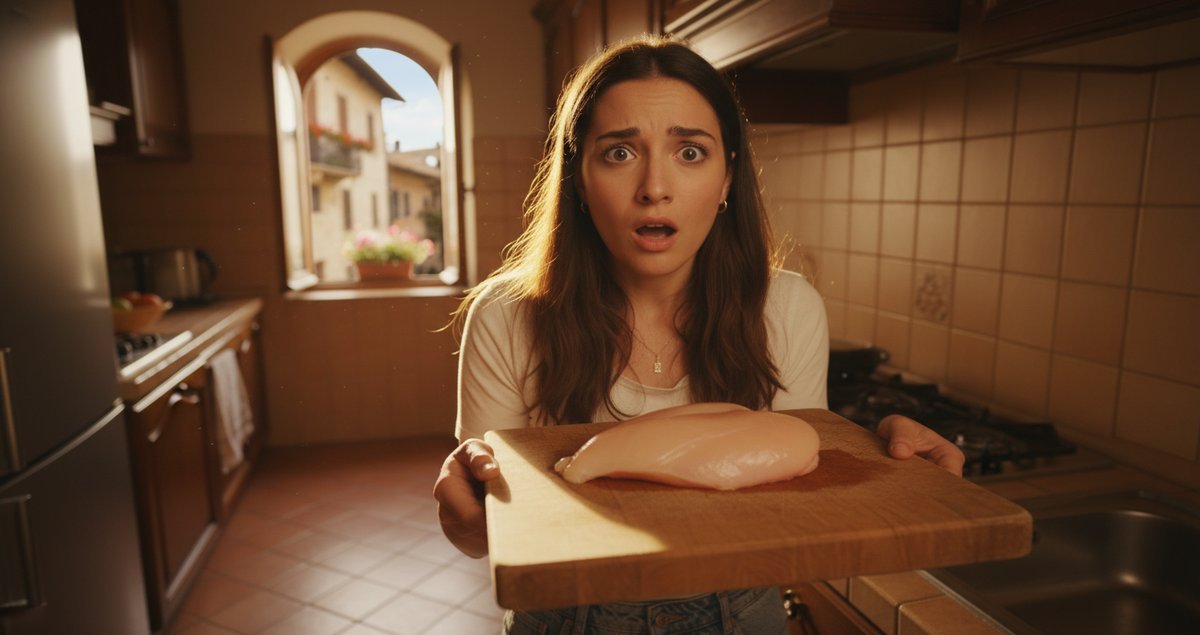
I once used the same cutting board for raw chicken and salad because the dinner timeline turned into a domestic circus. No one was unwell but I still think about that moment every time I see a wooden board. The lesson was simple and stubborn. Small conveniences pile up into large risks.
Stop glorifying multitasking
Multitasking in the kitchen feels productive until you undercook something or burn the garlic. You are not running a production line. Cooking demands focused sequences. Hands on, eyes on. If you split your attention between a podcast and kneading dough you will pay for it with texture or timing. I prefer short, concentrated bursts of work rather than long distracted stretches. I know some people like the chaos. Fine. But don’t call it mastery.
Knife neglect is a slow self sabotage
A dull knife is the kitchen equivalent of a dull excuse. It makes you hack rather than slice. It flattens texture and ruins vegetables by bruising them. Sharpening is boring but decisive. You sharpen a knife and the kitchen becomes calmer. I cannot overstate this simple mechanical truth.
Food safety is just as important at home as it is in a restaurant. While restaurants have a bigger impact because they serve a larger group of people, obviously you don’t want to prepare food at home and make a family member sick or get sick. Keith Schneider Professor Department of Food Science and Human Nutrition University of Florida
That quote sits at the center of the argument about kitchen mistakes at home. It is not dramatic. It is factual. Treating home cooking like a casual zone increases risk. Schneider is blunt because he knows the statistics and he knows how small missteps scale into real problems.
Design gaps you accept because they are ‘normal’
Poor lighting. Bad outlet placement. Cramped work zones. These are not Instagram aesthetics. They change behavior. Dim counters lead to sloppy knife work. One distant outlet creates a tangle of cords that becomes an accident in waiting. We accept these flaws because they are invisible until they bite you. Fixing design is not always glamorous but it is efficient and it pays for itself in fewer ruined meals and fewer small humiliations.
The myth of cooking intuition
People brag about cooking by feel. It sounds noble. But sensation without technique is wishful. Intuition is useful only when it is built on repetition and feedback. If your intuition tells you to crowd the pan because it looks fuller that is often the wrong move. Steam will drown crispness. Let dishes breathe. That is an opinion. I like hot pans and clean surfaces. Your results will likely improve if you are more deliberate, not less.
Hygiene is not optional improvisation
Moving from raw meat to ready to eat food without cleaning is a decision to invite trouble. The same goes for rinsing poultry or thinking a quick wipe is enough. Pathogens are not theatrical. They are mundane and efficient. Treating hygiene as an afterthought is a specific kind of kitchen laziness that deserves frankness, not euphemism.
Pathogens don’t care where they are they will grow the same way at a home kitchen as they do in a professional kitchen. Joshua Resnick Lead Chef Institute of Culinary Education
Resnick’s point removes romanticism from the equation. Home kitchens are not inherently safer because you know everyone at the table. Bacteria do not consult your social calendar.
Tools over technique is a wasteful addiction
There is a gadget for every mood. But technique outlives tools. A great sauté requires timing and heat sense more than a pan with a fancy coating. If you buy another appliance expecting it to fix inconsistency you are chasing a dopamine loop. Invest time in one reliable knife and one pan you actually practice with. That small redundancy will change your cooking more than a drawer full of single use tools.
Small rituals that matter
Wiping as you go is not just about cleanliness. It preserves momentum and reduces decision fatigue. Mise en place is not a fancy term. It is a strategy for stress-proofing your night. Taste as you go is not indulgence. It is the difference between sloppy seasoning and an interesting dinner. These are not revolutionary but many people treat them as optional ornaments rather than practices.
What I refuse to keep saying politely
Stop pretending that speed equals skill. Stop telling yourself that improvisation is a sign of bravery. Stop letting anxiety about wasted food turn into sloppy shortcuts. Precision feels unromantic but it is respectful to the ingredients and to the people who will eat what you make. My position is clear. I value care over bravado. That standpoint will bore some people and help others. That is fine.
Concluding abrasive honesty
Kitchen mistakes at home are cumulative. A dozen small habits become a culture of low expectations and inconsistent food. Change one or two habits and you will see disproportionate improvements. Start with knife care and hygiene. Build from there. The rest follows in the margins.
Summary table
| Problem | Why it matters | Practical shift |
|---|---|---|
| Neglecting knife care | Damages texture increases accidents | Sharpen regularly and practice basic cuts |
| Poor hygiene transitions | Cross contamination risk | Designate surfaces and clean between tasks |
| Multitasking during critical steps | Timing and texture fail | Work in focused bursts and silence distractions |
| Overreliance on gadgets | Inconsistent outcomes and clutter | Master a few tools first |
| Bad lighting and layout | Safety and efficiency drop | Improve task lighting and rearrange work zones |
FAQ
How do I prioritize which kitchen mistakes to fix first?
Start with actions that reduce risk and increase consistent results. Knife maintenance and basic hygiene deliver immediate returns. After that look at lighting and simple layout improvements. Small structural changes often change behavior more reliably than motivation alone. Think in sequence and focus on one small win at a time.
Are there quick ways to improve kitchen workflow without renovating?
Yes. Reallocate the counter space so your prep area sits between stove and sink. Move frequently used tools to easy reach. Add a small lamp for task lighting. Invest in one reliable pan and a decent chef knife. These changes are cheap and effective. They also create a visible invitation to cook with attention instead of speed.
Can technique replace buying better equipment?
Technique often matters more than gear. Learning to control heat seasoning and timing will improve outcomes with average equipment. That said good tools that you actually use make practice less frustrating. The sweet spot is learning technique while using one or two pieces that you like. Both matter.
How do I stop being distracted while cooking?
Create a focused window. Silence notifications set a timer and clear the immediate clutter. Treat cooking as a task with a start and end rather than an open ended interruption. It sounds strict but it reduces errors and leads to better meals. If you enjoy multitasking that is fine but reserve that for low risk steps not the critical ones.
What small habit had the biggest impact on my cooking?
For me the single biggest change was tasting as I go and being willing to correct seasoning early. That practice made seasoning feel like part of the method not an afterthought. It also gave me immediate feedback and reduced the number of meals that failed because of timid seasoning choices.
