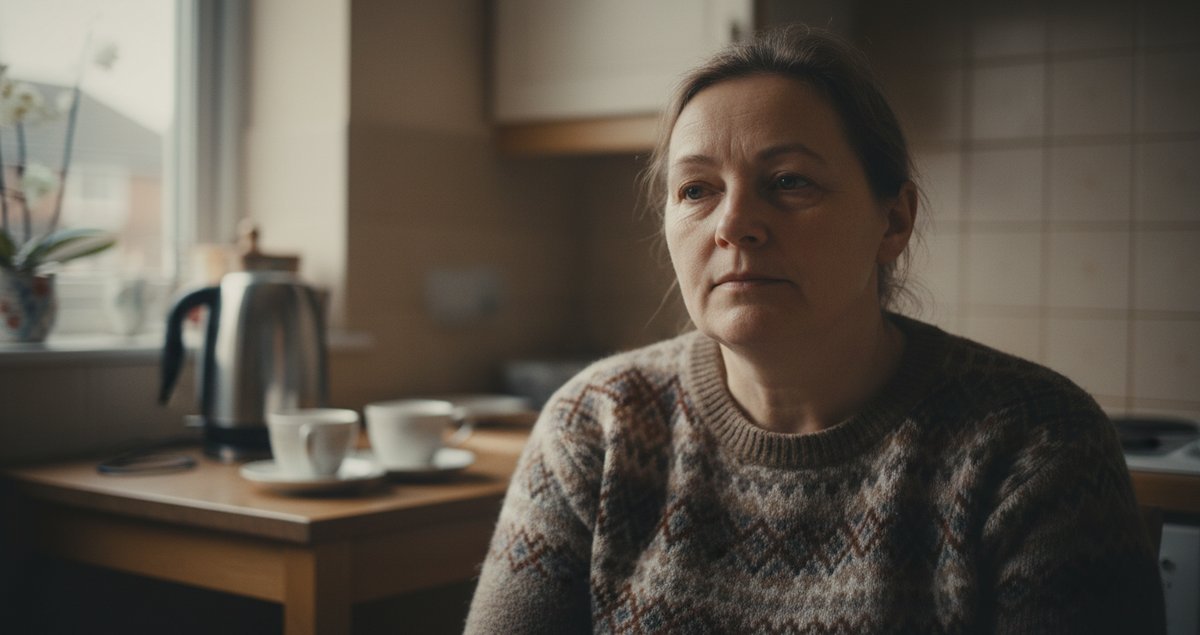
The quiet hum of a living room in 1973 feels impossibly radical now. Silence then was ordinary not theatrical. It was not a pose or a virtue signal. It was the background noise of daily life. The generation that grew up through the 1960s and 1970s learned to sit with lapses of sound and stretched pauses as if they were natural weather. Those pauses shaped how they listened and how they argued and how they valued presence. They did not merely endure silence. They used it.
Silence was structural not spiritual
We often talk about that era in extremes: loud protests, louder records, the roar of new media. But noise and silence coexisted in a structural way that most modern narratives ignore. In a pre mobile world there were practical lulls. Conversations ended without a ping. Homes had rooms where two or three people could look at each other and be quiet without it being awkward. The leisure economy had gaps. Travel was slower. Waiting rooms, queues, train compartments offered unscripted empty time. Those gaps trained people in patience and a comfort with unfilled space.
Why that matters
Those structural silences taught a set of conversational muscles. People learned how to let a sentence land instead of topping it immediately. They learned to read faces rather than screens. You could tell when someone was thinking and when they were withdrawing. The social cost of long pauses was lower because the whole culture assumed pauses were normal. That assumption carried over into private life and public rituals.
Silence as a social tool
Silence in mid twentieth century Britain did not always mean consent. It often functioned as a tool. In classrooms teachers used silence to coax reflection. In pubs it could be a way to check a boast. During strikes and industrial disputes the absence of chatter in town centres was itself a message. Silence performed authority and resistance with subtlety.
There is zero correlation between being the best talker and having the best ideas.
— Susan Cain. Author and founder of the Quiet Revolution. Harvard graduate and public speaker on introversion.
That quote explains part of the cultural equation. The generation that learned to esteem silence did not equate talkativeness with intelligence. That is not to paint them as saints of listening. They could be curt, evasive, or domineering. But their default tolerance for silence meant ideas were allowed to linger and sometimes to ripen. Conversation did not have to be performative to count.
Technology rewrites the etiquette of pause
Look at the sequence. In the 1960s and 1970s a family waited for the evening news. There were intervals between songs on the radio. A call meant going to a landline and speaking while others could overhear. None of these moments demanded constant articulation. Contrast that with now. Presence is performative. Silence becomes suspicious because it might mean disengagement rather than reflection.
Not nostalgia exactly
I do not miss the limited information flows or the harder access to medical care or the gendered restrictions. I am not arguing that the past was kinder. I am arguing that an unexpected skill came bundled with many of those constraints. You learned to tolerate being alone with a thought. That capacity has practical consequences. It can make a person more resilient in chaotic workplaces. It can let someone process before they speak. It can also let someone hide behind silence to avoid conflict. The point is ambivalent and worth keeping that way.
What the silence produced
Silence produced depth in some people and cynicism in others. It produced careful letter writers, people who developed long inner monologues rather than short-form status updates. It produced an eye for detail. It taught investigators to wait for a pattern instead of grabbing an easy answer. That is not romanticising. It is noticing a skill set that modern life sometimes erodes. The loss of those small disciplined pauses is not purely cultural trivia; it reshapes argument style, parental patience and even how institutions interpret testimony.
Generational friction
When this generation meets younger people who expect immediate replies and constant engagement there is friction. The older person might be accused of ignoring or being uninterested when in fact they are simply processing on a different cadence. Younger people might seem rude or performative to the older listener. Both sides are right about different things. It is tempting to assign virtue to one tempo, but that flattens a complex social adaptation into moralism.
Silence as inheritance
There are families where the habit of silence is handed down like a casserole recipe. You learn when to speak and when to let the room breathe. You learn what counts as a conversational win. The inheritance is not always deliberate. Sometimes it is avoidance. Sometimes it is a strategy for survival in households where speech was dangerous or expensive. The adult who grew up in that silence then goes on to teach children how to navigate emptiness without panic. That is an inheritance, and it is often invisible.
My own observation
I remember an aunt who could sit with you in a small kitchen and say very little but leave you feeling clearer. She was not mystical. She made space. That space was a practice. When she died the family noticed how often we had replaced doing nothing together with scheduled noise. You can lose a practice without noticing it until it is gone.
Where silence sits politically
There is an uneasy politics of silence. In public life silence can be complicity. It can be strategic evasion. But the 1960s and 1970s model of silence was often deliberative rather than evasive. Think of committee rooms where a pause allowed a dissent to gather strength. Think of neighbourhoods where a quiet household was a stable one. That political ambivalence remains. Silence can be a refuge and a ruse at the same time.
Small cultural practices that mattered
Remember the rituals. Phone calls that required actual presence. Long tea times where conversation could drift. Trains without headphones. Those small practices, combined, made silence less hazardous. They habituated people to be comfortable with a lack of performance. That comfort is now rarer and sometimes sought after deliberately. Retreats and mindfulness claim to restore what used to be ordinary. There is value in reclaiming certain practices without fetishising the hardships that coexisted with them.
Closing thought
The generation shaped by the 1960s and 1970s did not merely passively experience silence. They learned to live inside it in ways the current age finds odd or enviable. Silence was structural and functional and messy. It gave people time to think and space to observe. It made some kinder and some colder. It left a legacy that cannot be reduced to a romantic line in a playlist. We lose and gain things when our rhythms change. The question is which skills we choose to rescue and which we let fade.
Summary
| Idea | Why it mattered |
|---|---|
| Structural pauses | Built tolerance for unfilled time and reflection. |
| Silence as social tool | Used for authority and subtle resistance not just quietness. |
| Technology shifted norms | Made silence feel like disengagement rather than thinking. |
| Inheritance | Families passed on conversational tempo and coping strategies. |
| Ambivalent outcomes | Created depth in some people and avoidance in others. |
FAQ
How exactly did everyday life in the 1960s and 1970s create a tolerance for silence?
Everyday life then included more unmediated waiting and fewer devices demanding a response. Appointments took longer. Communications were asynchronous. These conditions normalised gaps in speech. Over time people learned to treat pauses as ordinary, not as social failures. That habituation ended up shaping conversational patterns and emotional responses to empty time.
Is the comfort with silence the same across social classes and regions?
No. Different communities experienced silence differently. Working class neighbourhoods where social life was boisterous still contained private silences that were intense. Rural towns might have longer lulls because of slower routines. Urban households under strain might use silence as avoidance. The practice of silence varies according to economic conditions cultural norms and personal histories.
Can someone learn to be comfortable with silence now?
Yes but it requires changing habits. The cultural scaffolding that made silence ordinary has shifted. To learn that comfort today involves intentional exposure to unfilled time and changing expectations about immediate responses. It can be taught indirectly through shared rituals that do not require constant verbal output.
Does valuing silence mean rejecting conversation or activism?
Not at all. Valuing silence often means valuing better quality speech. Pauses can sharpen critique. They can allow an idea to be examined rather than broadcast. Silence is a tactic not a moral stance. It can coexist with activism and with sustained public engagement.
What is lost when a culture loses its tolerance for silence?
We risk losing an ability to listen deeply to complex arguments and to tolerate ambiguity. Quick reactions can crowd out reflection. That said other skills emerge such as rapid synthesis. It is a trade off not a pure loss and the task is to decide which practices to keep.
