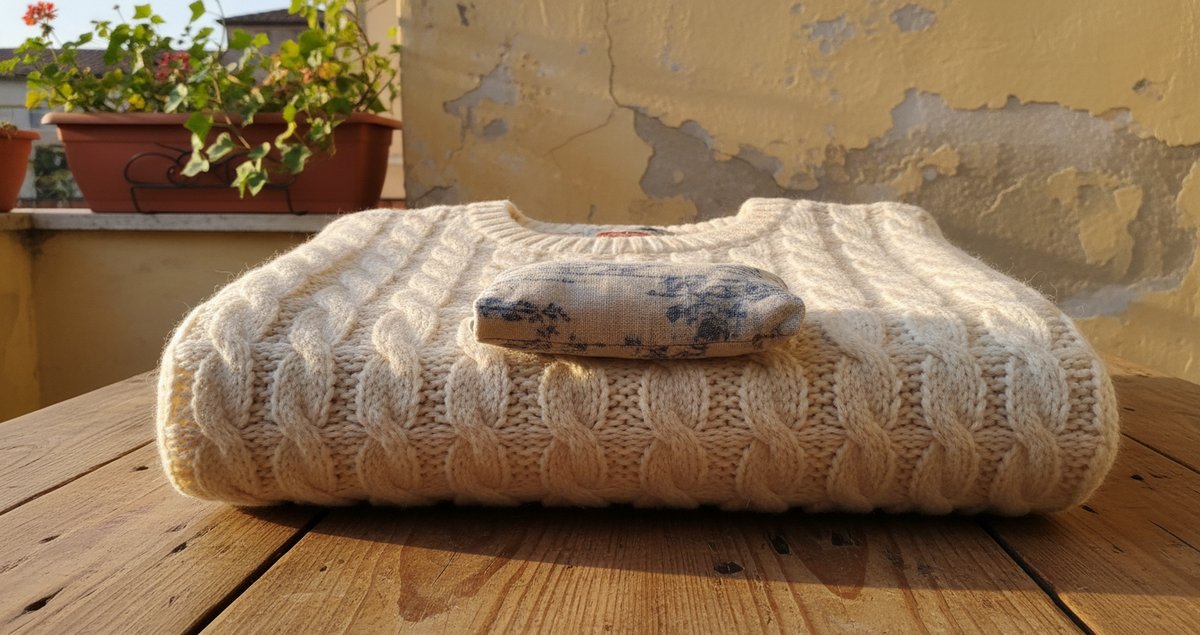
I used to treat closets like temporary holding pens. Shirts arrived, shirts were crumpled, and an old sweater would vanish into a drawer where it quietly frayed. Then I started listening to people whose day job is to keep garments intact for centuries and noticed something obvious: most advice online is either too neat to be true or too vague to matter. This is not a how-to checklist article. It is a stubborn defense of slow domestic care, a catalog of small stubborn moves that actually change what your clothes do to time.
Why storage matters more than washing rituals
We obsess about detergents and spin cycles but leave fabric to the mercy of moods and cramped shelves. Storing garments badly accelerates stress on fibers. The wrong hanger, a sharp fold, or a damp corner steals strength from threads in ways a washing machine never could reverse. I am not asking you to live like a museum conservator. I am asking for three honest changes: choose where a garment sleeps. Choose how it is supported. Choose what touches it at night.
Support over spectacle
Imagine a heavy coat hanging on a thin hook for a year. The shoulder seams take the slow, invisible toll. Heavier items deserve broader support. Lighter knitwear resents being draped over a chair. Some pieces demand lying flat and pampered, not displayed.
“When something winds up being in the museum, it’s sort of an unstated rule that it will never be worn again.” Ann Coppinger senior conservator Museum at the Fashion Institute of Technology
That sentence hits because it reveals a conservator’s perspective: preservation is not always compatible with use. Your wardrobe is both object and tool. Treat your favorites as objects when they need shelter and as tools when you must wear them.
Practical choices that feel surprising
There is a hierarchy of storage sins and a small menu of better habits. These are not glamorous but they change outcomes.
Choose breathable over hermetic
Plastic covers and vacuum bags promise cleanliness but invite slow disaster. Trapped humidity sits on fibers. Condensation forms. The same plastic that looks tidy secretly fosters yellowing and mildew. Instead choose cotton muslin or plain undyed sheets as covers. They keep dust out while letting fabric breathe. You will hate how the muslin looks compared to pristine clear plastic but you will love the absence of mold years from now.
Fold with intention
Folding is not merely storage it is choreography. Sharp creases create stress lines that become tears. The trick is to soften creases with rolled tissue or small fabric sausages that cushion the fold. This is what museums do when they cannot keep things flat. It sounds fussy because it is fussy but it works. If you have to fold a heavy garment choose the shallowest possible fold and pad it. If you travel every weekend stop pretending a sweater shoved into a suitcase will come out fine.
Know what hangs and what lies down
Not everything should hang despite what a boutique displays. Knits lose shape. Bias cuts warp. Heavy embellishments tear seams under gravity. Conversely delicate structured coats can be crushed in boxes. Learn each piece’s temperament and honor it. This is less about categories and more about attention.
“You wouldn’t hang knits or anything that’s bias cut or anything like a heavily beaded dress because you would start to see distortion and damage.” Sarah Scaturro chief conservator Cleveland Museum of Art formerly Metropolitan Museum of Art
Storage environments that actually behave
Most people keep clothes in places that fluctuate wildly: attics on hot afternoons basements when spring floods. Your living space likely sits in the Goldilocks zone for textiles. Store sensitive pieces where you live. Temperature extremes and damp are the real thieves. A stable room at normal human comfort levels is often the safest place.
Light is a slow thief
Sunlight and bright artificial light fade color and weaken fibers. I keep seasonal pieces in the dark if they are not being worn. That does not mean banning light forever. It means rotate displays and keep storage lids on boxes or curtains drawn for closets near windows. Oddly, the clothes you see every day often get the best care simply because you notice their deterioration sooner.
Clean before you shelve
Stains attract pests. Oils eat fibers. You do not need intensive conservation cleaning for everything but remove visible dirt and food residues and let items dry completely before storage. The museum rule of clean before silent storage applies at home too. Ignoring it will guarantee an unpleasant discovery later.
Tools not marketed to you
There are domestic items that act like conservator tools: padded hangers, unbuffered acid free tissue, wide boxes, and cotton muslin. None of these are glamorous but they change outcomes. You do not need to buy expensive archival boxes. Large plain boxes lined with undyed sheets do the job. Use wide hangers with padding for coats. Replace wire and narrow plastic hangers. Be suspicious of anything that offers a neat transparent solution for less than a day of actually thinking about the garment.
Small rituals that add up
The rituals are tiny. Fold sweaters on a clean table not into a heap. Air out wool after wearing before returning it to the dark. Mend small tears as soon as you see them. These rhythms are not moral they are practical. They render clothing resilient. Doing them consistently is what separates a garment that survives from one that dies a thousand tiny deaths.
A few provocative positions
I believe every household should keep a small repair kit. I also believe wardrobes that grow unchecked are a moral failure not because possessions are bad but because neglect is wasteful. Buy less poorly made clothing and care for what you have. Teach someone to sew. The industry profits when you ignore maintenance because fast replacement is more profitable than slow care. Holding a different view about longevity is a modest act of resistance.
When to call a pro
If a garment is fragile valuable or has complex beading get professional advice. Conservators make choices you can replicate at home but they also have tools and materials that are not practical for everyday use. When a family heirloom is at stake do not fudge with amateur fixes. That said you can absorb many conservator methods into your daily routine without a formal degree.
What I still have not solved
Humidity control. I have a number of pragmatic hacks but I do not own a climate controlled closet. Maybe that will change. For now I accept small losses and try to minimize them. There is a tension between living with your things and preserving them perfectly. I choose lived use with care. That will not satisfy purists. And I accept that.
Summary table
| Problem | Practical fix | Why it matters |
|---|---|---|
| Crushed shoulders and stretched collars | Use padded wide hangers or box the item flat | Supports weight and keeps seams intact |
| Sharp fold lines and tearing | Pad folds with unbuffered tissue or soft fabric rolls | Reduces fiber stress at fold points |
| Moisture and mold | Store in breathable cotton muslin and avoid basements | Prevents trapped humidity and mildew |
| Light fading | Keep boxes closed and avoid direct sunlight | Preserves color and fiber strength |
| Pest attraction | Clean garments before storage and vacuum closet spaces | Removes residues that attract insects |
FAQ
How long should I keep seasonal clothes stored?
Rotate seasonally with intention. If you are storing items for months make sure they are clean dry and padded. Take them out at least once a season to inspect for pests discoloration or stray odors. Long term storage without periodic checks turns a benign situation into a surprise problem.
Are vacuum bags ever acceptable?
Vacuum bags are useful for travel or short term moves but not for indefinite storage. They compress fibers and can trap moisture. If you must use them for a short period make sure the garment is absolutely clean and fully dry and inspect it soon after reuse. For long term preservation choose breathable options instead.
Can I store clothes in the attic or basement?
Avoid attics and basements for anything you care about. These spaces experience temperature extremes and moisture fluctuations that speed degradation. Use a stable living space closet or a bedroom for important garments. If you have no choice try to create a buffer such as an insulated box and frequent inspections.
How should I store shoes and bags with clothes?
Shoes and bags should not sit directly on delicate textiles. Store them separately or pad the area between them and fabrics. Stuff hats and bags lightly with acid free tissue or clean cotton to hold their shape but do not pile heavy objects on top of textiles. Weight crushes structure in ways you do not notice immediately.
Is cedar safe for long term storage?
Cedar can repel pests but fresh wood emits compounds that may interact with dyes and fibers. If you use cedar make sure it is sealed or opt for other pest management strategies like cleanliness and frequent checks. Museums avoid direct contact with wood and you might consider similar caution at home.
When should I consult a conservator?
Consult a conservator when the garment is fragile heavily embellished stained in complex ways or of high sentimental or monetary value. Conservators can recommend specific cleaning structural supports and storage materials that amateur methods cannot safely provide.
These are choices not commandments. Clothes are lived objects and the goal is not sterile preservation but sustained usefulness with a degree of grace. The right storage decisions make that possible.
