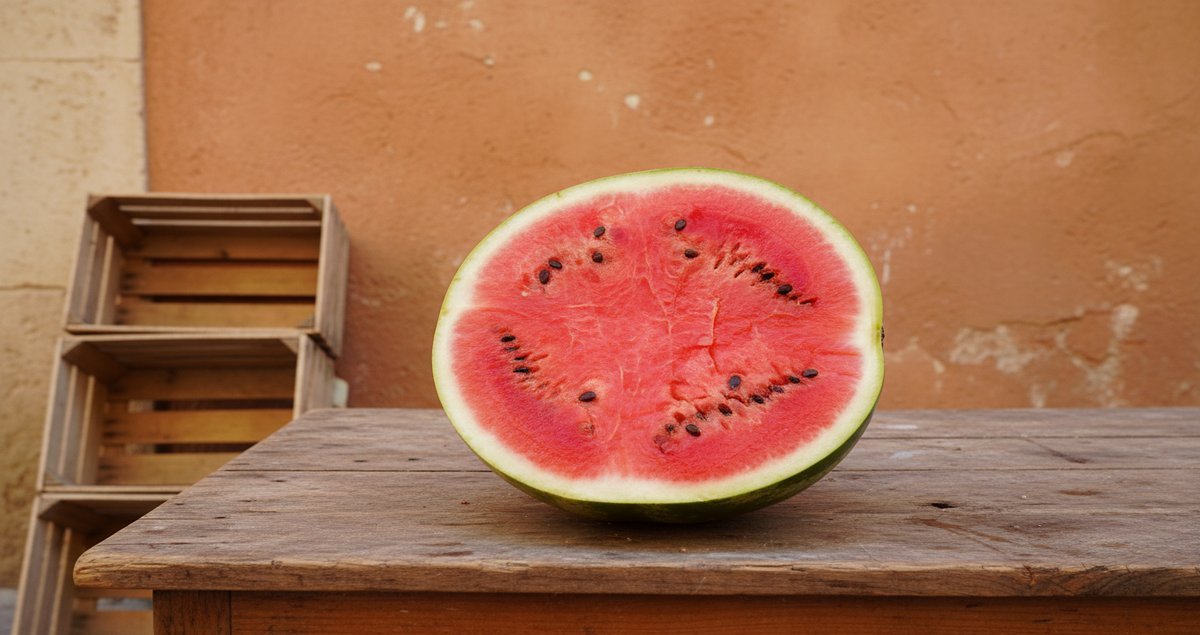
There are seasonal rituals that hide in plain sight. Standing in front of a pyramid of striped melons at the market, palms slightly sticky from summer samples, you feel an odd combination of optimism and dread. Will this one be the one you remember for the rest of the year or a soggy disappointment? How to pick a good watermelon is a practical question with surprisingly emotional stakes. I have bitten into more flops than I care to admit. This is my correction sheet.
Why the hunt matters more than you think
Watermelon is a fruit that refuses to finish its story after harvest. Once it leaves the vine it stalls. There is no afterlife of sweetness to rescue a bad pick. That changes the rules. Picking matters because you are choosing a frozen decision. You are accepting a fruit for better or worse. So pick fiercely.
Tip One Look for the belly not the bling
Retail displays reward shine but ripeness often hides in a soft cream. The area where the watermelon rested on the ground should be a warm creamy yellow. This belly spot tells you that the melon spent time on the vine finishing its business. Shiny rinds are tempting indicators of freshness but most often they betray immaturity. Think texture over flash. This is not glamorous advice but it is reliable.
Tip Two Feel its weight like you mean it
Grasp a melon with the kind of affection usually saved for small dogs. Heft it. A ripe watermelon carries the density of water and sugar. When two melons are similar in size the heavier sibling is more likely to be juicy. Don’t be shy. This is a tactile decision and it matters. If it feels light for its size walk away. You will thank yourself later.
Why weight beats fancy tests
There are folklore tests and clever hacks that circulate as gospel. I have tried them all and they deserve a place in conversation but not in your final call. Weight correlates with internal development. It does not lie.
Tip Three The sound trick still works when you trust your ear
Thump a watermelon. It will not sing opera. A dull hollow thud is a good sign. A high pitch suggests immaturity. Your ear needs practice. After a few market sessions your judgments will sharpen. I keep a little mental library of sounds now. Some people treat thumping like divination. I treat it like weather forecasting. Useful most of the time but not infallible.
Tip Four Check the tendril if you can
If you are lucky enough to buy at a farm stand where melons still have stems inspect the vine connection. A dried brown tendril near the fruit usually signals maturity. Green tendrils mean the harvest may have been premature. This is the sort of detail that reveals whether the harvester let the melon finish or plucked it early for transport safety. This is a small thing that tipples the odds in your favor.
The underside should be a creamy color not white or yellow. Donna Teasley Horticulture Agent North Carolina Cooperative Extension.
That single sentence from a Cooperative Extension agent has saved me more times than a dozen tipsheets. It is short and it is true. The agent is not selling drama or myth. They are giving a usable signal and I follow it.
Tip Five Ignore perfect symmetry perfection is unrelated to sweetness
People equate even stripes and flawless shells with quality. I argue otherwise. Odd bumps ridges or obscure shapes often come from weather quirks and can coincide with exceptional flavor. The watermelon ecosystem is messy. Favor substance over form. If you want Instagram friendly fruit then buy it for the grid. If you want taste buy for the signs that matter.
Tip Six Consider provenance and timing
Know your source. A watermelon pulled from a nearby farm in season is more likely to be treated with knowledge and care than one that crossed multiple borders for a grocery chain display. Where the melon comes from influences how it was harvested and when. Seasonality also matters. Late June through August tends to be prime in many temperate regions but local calendars shift. Ask the vendor when it was picked. Vendors who bristle at the question are often the ones you should avoid.
When you should buy more than one
If you are hosting an event and cannot risk a dud pick buy two. Yes this costs more and yes it is a defensive move, but it is also pragmatic. I prefer to have a backup. Events are not practice runs. The melon police do not accept apologies.
A few instincts to adopt
Trust local wisdom. Farmers and market stallholders are the primary curators of ripeness. When possible buy from someone who will replace an off melon. Keep a list in your head of the sellers who have delivered repeatedly. That list is worth more than algorithmic ratings.
Do not overinvest in rituals that make no sense in a particular context. For instance thumping a small personal sized icebox melon yields a different sound profile than a giant Carolina heirloom. Context matters. If you are trying a variety you have never had before read a label if available. Varieties vary in flesh color sweetness and texture. Accept that some discoveries are experiments rather than guaranteed joy.
Final opinionated note
I will admit a bias. I prefer melons that show a history of good soil and sun rather than glossy supermarket displays. That bias may make me sound nostalgic. Fine. But I will also point out that that bias often lines up with real flavor. If you want a shortcut to delight look for cream belly spots heavy weight and a dull skin. Combine these with a seller who speaks plainly about when the fruit was picked and you will tilt the odds in your favor. There are no absolutes just better choices.
Go into the watermelon aisle with a small plan and a spoonful of conviction. Pick decisively and then live with the consequences. Mostly you will be rewarded.
Summary Table
| Signal | What it means | Quick check |
|---|---|---|
| Belly spot | Creamy yellow indicates time on vine | Look under the melon |
| Weight | Heavier equals juicier | Lift and compare |
| Sound | Dull hollow thud suggests ripeness | Thump gently |
| Tendril | Brown tendon implies finished ripening | Inspect stem if present |
| Shine | Too glossy often means immature | Prefer dull rind |
| Provenance | Local and recent picks often taste better | Ask vendor when harvested |
FAQ
How do I know a watermelon will be sweet just by looking at it
You cannot know for certain because sweetness depends on many factors including variety soil and weather. Visual and tactile cues increase probability. Look for a creamy belly spot dull skin and relative heaviness. These signals together stack the odds but none are absolute. Treat the selection like a set of bets rather than a guarantee.
Is thumping a watermelon reliable
Thumping is a useful tool once you develop an ear for it. Some melons of different shapes and sizes naturally produce different sounds so practice at markets to calibrate your sense. Use it alongside other checks rather than alone. Think of thumping as confirmatory not primary.
Does a shiny rind mean bad melon
A shiny rind often indicates immaturity but not always. Some varieties have naturally smoother rinds. In general a watermelon that looks glossy and has crisp bright stripes is more likely to be underdeveloped than a dull matte rind with blurred striping. Combine this with belly spot and weight checks to refine your judgment.
Can I trust a random grocery chain or should I only buy from farmers markets
Both can sell excellent melons. The difference is traceability. Farmers markets allow you to ask direct questions about harvest timing and variety. Grocery chains can offer convenience and consistency but might stock fruit harvested earlier for transport. If your choice is important ask the seller about harvest date and origin or choose a known vendor with a return policy for unsatisfactory melons.
What if I buy a not so great watermelon
Not every pick will be perfect. If the melon disappoints consider alternate uses where texture matters less. Cubed watermelon can be blended into slushes or used in savory salsas. Some disappointing melons salvage their dignity in recipes rather than eaten plain. Experimentation can be a consolation.
Are there watermelon varieties that are always better
Varieties carry tendencies but local growing conditions and harvest timing shape outcomes more than names do. Seek recommendations from local growers and try small melons from trusted sources to learn which varieties suit your taste. Variety matters, but context often matters more.
