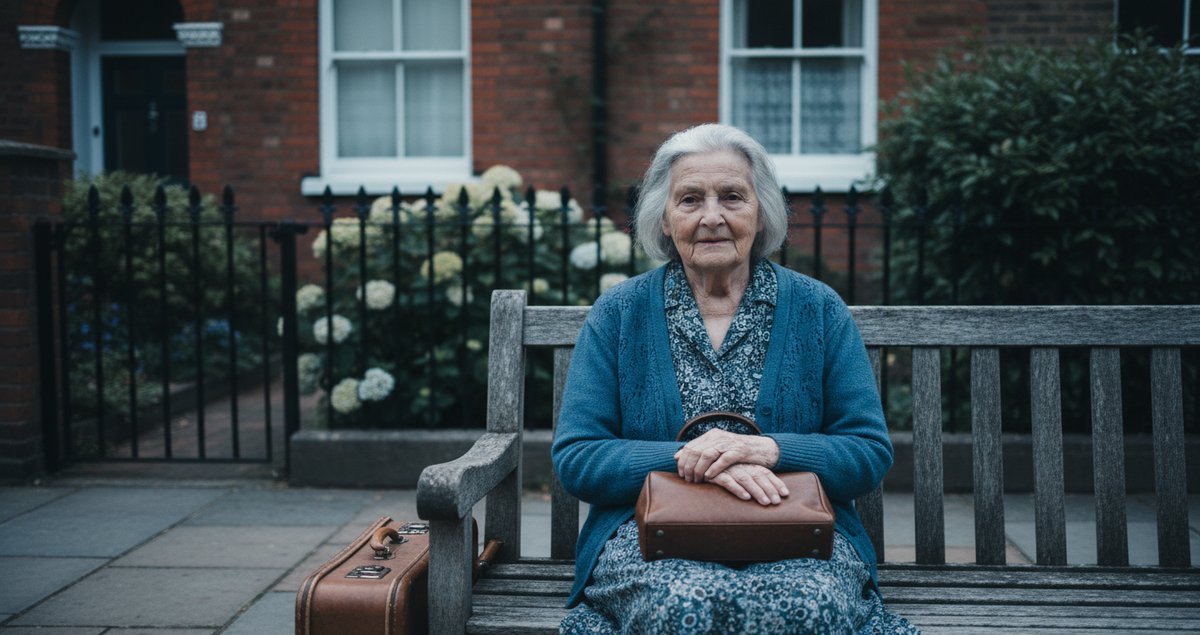
There is a tiny, stubborn beauty in watching two older people on a bench make small, deliberate conversation and then, without theatricality, say I love you. It lands differently than the same three words from twenty somethings. It feels smaller and wider at once. It is a gesture that has been pruned and relearnt. It is not sentimental fluff. It is policy, practice and occasional defiance.
Not nostalgia but a recalibration of what matters
People who have lived longer have more experience with disappointment and repair. They also have endured enough endings to notice the scarcity of time. Socioemotional selectivity theory, a major framework in lifespan psychology, argues that when time feels limited people prioritise emotional meaning over abstract accomplishments. That does not mean older adults are more romantic by default. It means they reassign resources — attention, energy, words — to relationships that feel real now. This shift makes expression purposeful rather than performative.
When time is perceived as limited emotional goals assume primacy.
Why the words land differently
Three mechanisms help explain why older people say I love you more freely and why those words carry a different weight.
First, pruning. With age many people simplify their social worlds. They remove noise. The remaining relationships are usually those that reward authenticity. Saying I love you in that context is not a bid for validation but an accounting entry. It records value.
Second, risk tolerance changes. Younger adults often hedge feelings because social capital is still being built. Older adults have accumulated a different kind of capital their relationships have weathered debts. Saying I love you can be less risky; the shame or fallout of impulsive honesty has usually been negotiated long ago.
Third, language itself adapts. Over decades couples develop private synonyms and shorthand. At times words may disappear from the routine and reappear as acts: an extra blanket, a remembered medication, a driving detour. But there are moments when the word I love you is chosen deliberately because in certain scenes only language will do.
Expression matters
It is tempting to reduce this to a romantic arc that age softens people into sweetness. That is not the point. Expression matters because it sets the terms of interaction. The phrase I love you is not merely a report of feeling; it is a move that can change expectations, soothe a worry, or assert continued presence. Older adults often use it to repair a breach quickly because with perceived limited time there is less appetite for extended conflict.
Small rituals and high clarity
Many older people develop micro rituals that make emotional states visible. A daily goodnight phrase, a squeezed hand before leaving, a note on the mirror. These are predictable, low friction ways to communicate. Predictability itself becomes a form of reliability. The words I love you might therefore be less dramatic and more frequent, because they are part of a system built to reduce ambiguity.
I have observed families where the eldest sibling becomes the truth teller at gatherings. They say things others avoid and call attention to tenderness in ways that can be awkward and transformative. Those interventions are not always comfortable but their bluntness often clears the air. Older people tend to use direct expression as a practical tool rather than as a theatrical flourish.
Culture, class and habit
We must not pretend all elders are the same. Culture shapes how people speak about love. Some families verbalise affection weekly. Others keep their currency in acts. Class and education influence the vocabularies available to people when they want to name feeling. Yet across contexts there is a pattern: older people who have survived relational upheaval value clarity. They have learned that unspoken love is easily misread and therefore underused.
My own grandmother rarely said I love you. When she did it was in a different register entirely: short, certain, delivered like a ledger balance closed. It meant more because it was rare. Rarity changes resonance. But I have also met octogenarians who say it like punctuation: a small but honest mark repeated enough times to be reliable.
Why some of us hear it as desperate
There is a harsh reading that older people say I love you more freely because they fear loss. Sure, mortality makes some declarations urgent. But urgency does not equal pleading. Often urgency is permission. People with less runway allow themselves to be blunt about joy without waiting for permission. That can look like desperation to observers who prefer subtlety. But it might simply be the ethical choice to state what matters before it cannot be said.
Expression and power
What surprises me is how saying I love you can also be an act of power in elderhood. It interrupts assumptions about invisibility. When a person in their seventies says I love you to a younger partner or adult child they assert continued desire and presence. It pushes back against cultural narratives that render older people sentimental or irrelevant. The phrase becomes a refusal to shrink into silence.
There is political value in this. Language marks belonging. Reclaiming emotional vocabulary is a quiet rebellion against a society that expects less vitality from older bodies. Saying I love you freely in later life can be a way to claim full personhood: to insist one still feels, asks for care, offers care, and occupies desire.
Not the end of imagination
Do not let this become a tidy prescription. Some older people do withdraw and stop expressing, sometimes for complicated reasons that involve mental health, trauma, or cultural norms. That silence is as meaningful as speech and should not be romanticised. The greater argument here is simple: expression is a material force in relationships. Age alters the economics of expression and often makes emotional speech a priority rather than a performance.
What the evidence leaves open
Research tells us older adults prioritise close relationships and positive emotional experiences. It does not deliver a single explanation for why particular people say I love you more or less frequently. There are many variables family history, personality, cultural script, life events. I think the most interesting area that scholars understudy is how older adults teach younger relatives to be more direct. There is an intergenerational transmission of expressive habits that deserves attention.
I will end with an unscientific observation: there is a kind of moral clarity that sometimes arrives with age. It is not always pleasant; it can be blunt and brusque. But when it comes with tenderness, it can transform ordinary moments into small acts of courage. Saying I love you in later life can be a gentle insistence that you matter here and now.
Summary table
| Idea | What it means |
|---|---|
| Socioemotional priorities shift | Older people focus on emotional goals when time feels limited. |
| Expression becomes pragmatic | I love you is used for repair, clarity or assurance rather than display. |
| Micro rituals support reliability | Small repeated acts make affection predictable and reduce ambiguity. |
| Cultural variation matters | Different backgrounds shape how often and how words are used. |
| Power and presence | Expressing love can be a claim to continued personhood and desire. |
FAQ
Do older people actually feel more love or do they just say it more?
Feeling and saying are related but distinct. Evidence suggests older people prioritise emotionally meaningful connections which can increase the felt salience of love. Whether that translates to “more” love is hard to quantify. The safer claim is that words are deployed differently time horizons reshape motivational priorities which change how love is expressed and noticed.
Is saying I love you more a sign of fear of loss?
Sometimes urgency fuels the expression but urgency can be generative. It can allow people to be honest about value before complications arise. That behaviour is not always rooted in fear; often it is an ethical choice to name what matters now rather than postpone meaning.
How do culture and upbringing change this pattern?
Cultures vary wildly in how they verbalise affection. In some homes declarations are routine; in others actions are the currency. Age intersects with these scripts so that an elder from a reticent culture may nonetheless find nonverbal ways to signal affection, or they may deliberately choose to speak differently with younger family members who expect verbal affirmation.
Can younger people learn to say I love you with the same clarity?
Yes and no. Younger people can adopt practices that prioritise clarity and reduce hedging but developmental needs like building reputation and exploring identity make different trade offs. The lesson often transmitted by older people is less about mimicking phrasing and more about the courage to be clear about what matters in the present.
Is there a downside to saying I love you frequently later in life?
Overuse can dilute meaning in any relationship. The important distinction is intentionality. When the phrase is part of a coherent communicative practice that includes acts and reliability it maintains impact. When it becomes a substitute for attention or an attempt to paper over persistent conflict it loses value.
Should we treat these declarations as evidence of a deeper moral change?
Sometimes yes. Older age can coincide with a recalibration of priorities that favours generosity and honesty. But declarations are not automatic signposts of moral improvement. They coexist with complexity irritation resentment and continued imperfection. The surprising truth is that simple expressions can still be profound even when they arrive from imperfect people.
