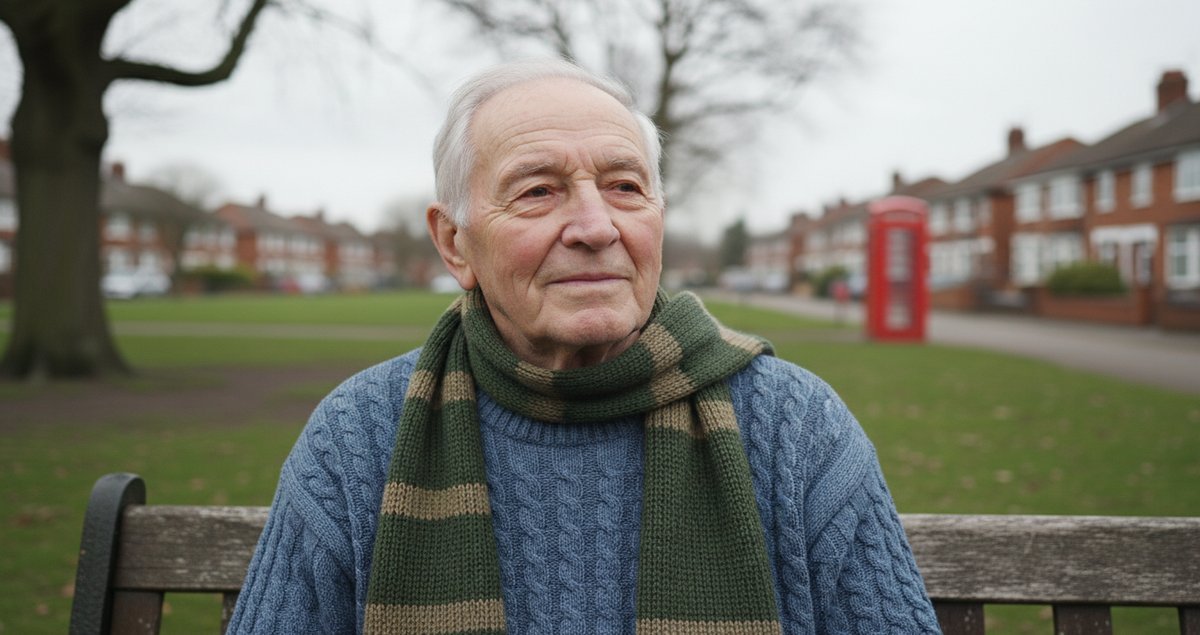
There is a quiet choreography in the way older generations manage disappointment. It is not theatrical. It is not a performance intended to convince. It is habit and habit made humane. You watch a grandfather let his granddaughter win at dominoes and you learn something subtle about being human that no manual or trophy can teach: losing with dignity is a form of care.
Not nostalgia. A practice.
I am suspicious of sentimentalising age. Often what people praise as wisdom is merely habit or convenience. But when it comes to how older people handle set-backs the pattern is persistent: they pause, name the feeling, and move on without spectacle. That sequence looks small and seems ordinary, but it trains younger people to tolerate frustration, to hold anger in hand without letting it run the show, and to see another person without turning the moment into a lesson or a humiliation.
What psychology actually calls this.
Emotional intelligence has become a corporate slogan. Yet stripped of its boardroom sheen, it describes everyday acts: noticing your irritation and choosing not to escalate. The older people I know do this not because they read a book but because they have been practiced at losses: jobs ended, friendships cooled, bodies betrayed. Loss taught them the mechanics of feeling and the politics of expression. It is not simply resilience. It is a moral muscle that coordinates self and other.
IQ and technical skills are important, but emotional intelligence is the sine qua non of leadership. Daniel Goleman. Psychologist and author associated with research on emotional intelligence and contributor to Harvard Business Review.
That line from Daniel Goleman lands in this conversation for a reason. Older adults are not CEOs in every exchange with younger people, but their steady, unshowy self-regulation looks like leadership on a human scale. When your reaction does not consume the room you make space for repair. That is leadership worth practicing.
How losing gracefully is taught without a lesson plan.
It happens in micro-instructions. A mother who says I know you are cross but you can try again, a teacher who applauds effort rather than result, an uncle who shrugs after a card game and remembers the toast. These are not pep talks. They are short social rituals that signal: you are safe to be disappointed and welcome to be steady through it. The strange thing is how contagious these rituals become. They spread not by decree but by imitation, small economies of behaviour that tilt the next generation’s default away from spectacle and toward repair.
There is a moral economy at work.
Older people often trade public victory for private composure. That trade is political and ethical. Refusing to gloat denies humiliation its oxygen. Naming frustration without punishing others reframes failure as data rather than destiny. This is not weakness. It is a stance that says relationships matter more than immediate vanquishing. It presumes a future in which the person you lose to today might be the person you need tomorrow.
Why the young don’t always learn it.
Generations now grow inside a feedback loop that amplifies triumph and flattens the rest. Wins are recorded and monetised. Losses are clipped and weaponised. That environment trains neural habits that favour eruption over reflection. Older people, by contrast, were often void of constant digital applause. They learned to live within social spaces where consequence outlived the moment. That does not make their model universally right. It makes it rare and thus valuable.
Not all elders teach well.
Some older people weaponise loss. They use superiority to shame younger people rather than steady them. That confuses the picture. What I mean by older generations teaching losing gracefully is not an ageist endorsement of every elder. It is a specific set of habits present in some elders that deserves attention because it offers a template for emotional maturity.
Practical, and quietly radical.
The tactics involved are not grand. Pause before word. Ask a question rather than issue a verdict. Admit when you are acting from pride. Offer a handshake or a silence rather than a smugness. These moves seem small but they change outcomes. They rewire social expectations. They remove the premium from public dominance and place it on mutual steadiness.
There is a social return on this private work. Communities that tolerate visible disappointment without collapsing into cruelty are more likely to keep people in conversation. They are less likely to atomise conflict into performative winners and durable losers. That social texture is what I would call public intelligence: shared competence at carrying loss without breaking the social fabric.
A few honest observations.
I think we undervalue practice because we want quick solutions. We seek workshops that promise instant emotional intelligence and we forget that habituation takes time and repetition and often an unimpressive starting point. Older generations did not become patient overnight. They practiced in small, undramatic increments. That slow work is the real source of their steadiness.
Also, the model is not uniformly available. Class, culture, and trauma shape a person’s capacity to lose gracefully. Those who endured systemic harm may not have had the luxury to practise magnanimity. So while I admire the elders who model this, I do not romanticise a universal elder virtue. Context matters and always will.
When losing gracefully becomes contagious.
I’ve seen it happen in the oddest places. A street football match dissolves into laughter after a bad tackle because an older coach pats both players and names the flaw without blame. A family argument ends with a shared, almost reluctant, chuckle because an aunt deflected the last jab with a self-effacing admission. These moments instruct more effectively than a sermon. They show how ordinary rituals anchor extraordinary habits.
Conclusion.
Older generations offer a curriculum that is not taught in courses. It is learned through observation repetition and the acceptance that life will continue to provide small defeats. When we cultivate the ability to lose without debasing others we not only make ourselves less combustible we create the conditions for a kinder civic life. That is a political act as much as a personal one.
Summary table that synthesizes the key ideas.
| Idea | What it looks like | Why it matters |
|---|---|---|
| Losing with dignity | Pause name feeling move on | Preserves relationships and models repair |
| Small rituals | Short verbal cues and gestures that de-escalate | Train tolerance and reduce humiliation |
| Habit over heroics | Repeated low drama practice | Creates lasting emotional competence |
| Context matters | Not all elders can model this | Recognises inequality and trauma |
FAQ
How do older generations actually teach losing gracefully without lecturing?
They rarely teach directly. They model behaviour in micro-moments. The difference is subtle. A model offers a live example you can imitate in context rather than a set of rules to memorise. Seeing someone take a loss as information and not as a termination of worth helps a younger person internalise that response. It is practice delivered in the flow of life and therefore more likely to land.
Is losing gracefully the same as being passive or resigned?
No. Losing gracefully does not mean accepting injustice or retreating from effort. It is a calibrated response to a particular moment where escalation would cost more than it gains. It preserves energy for battles worth fighting and reduces collateral harm from petty triumphalism. It is strategic not sentimental.
Can people who did not learn this earlier still cultivate it?
Yes. Habits of expression can be altered. The route is not dramatic transformation but steady repetition: noticing a reaction pausing before responding and trying a small different move. Social environments that reward steady responses make the shift easier. Cultural signals matter. The work is mundane but real.
Are there limits to praising older models of losing gracefully?
Absolutely. Some elders weaponise steadiness to silence dissent. Others never had the resources to practise magnanimity because social structures made survival the primary concern. When we praise older people we must also remain critical and attentive to power dynamics and inequality. Admiration without nuance becomes myth not learning.
What is the social payoff of a culture that values this form of emotional intelligence?
Communities that normalise steady responses to defeat reduce public shaming and create space for repair and cooperation. That social fabric sustains long term projects better than a culture that rewards constant domination. It builds trust which is an underrated public good.
