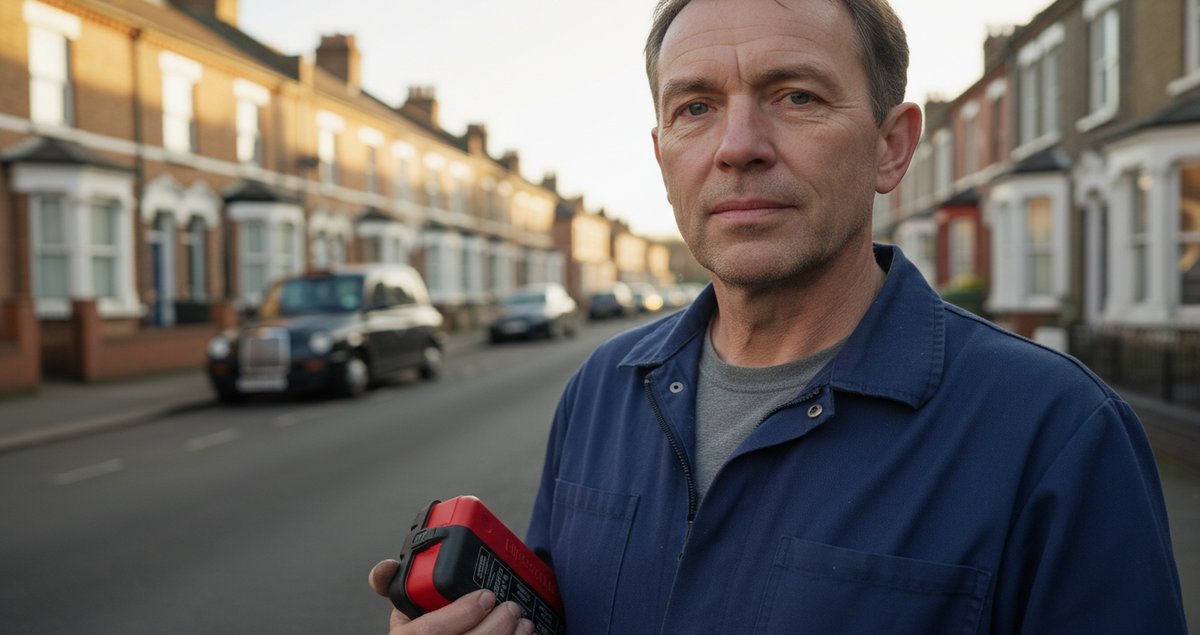
People born between 1960 and 1979 often seem to wear a reserve of composure that younger and older cohorts notice almost immediately. This piece argues that the way this group processes sudden disorder is neither mystical nor purely cultural. It is a set of learned habits fossilised by history and habit. I am not neutral about this. I think the world undervalues the quiet preparedness of people who matured when the world felt volatile and slow at the same time. They learned to improvise without applause and to keep moving while everyone else argued about the map.
Who fits this description and why it matters
When I say people born between 1960 and 1979 I am pointing to the tail end of the Baby Boomer cohort and the core of Generation X. Their formative years spanned inflationary crises, shifting family patterns, political upheaval, and the slow arrival of consumer tech. That mixture produced practical muscles: comfort with messy realities, a pragmatic emotional code and a default method of solving problems that favours small experiments over grand declarations.
Not a label but a toolkit
To call this reaction a toolkit is more useful than calling it resilience. Toolkit suggests repair, improvisation, and repeatable routines. These are people who learned how to fix things with what they had, not what perfection required. They did not expect neat narratives. They expected endings that had been postponed and opportunities that required elbow grease.
How upbringing shaped an appetite for being unimpressed
Homes and communities in those decades taught something blunt: do the job, then explain your feelings later. There was a daily friction missing from later generations: fewer safety nets, fewer curated experiences, fewer instant answers. That friction trained a tolerance for uncertainty. Instead of getting alarmed when plans tore up, many of them defaulted to a quiet triage process. The emotional thermostat stayed lower.
This does not mean they are stoic robots. It means they have a practical grammar for distress. They name the problem, prioritise the urgent, and then make a brittle but functioning arrangement. There are costs. This approach sometimes reads as emotional austerity. It can be frustrating to people who expect transparency or high emotional bandwidth. Still, it works in messy systems.
Small moves not viral gestures
When chaos arrives those born between 1960 and 1979 are more likely to do incremental triage. They switch the boiler off in a way that buys time. They call three people they trust. They patch rather than replace. These are not headline moves but they keep things operable. The cultural preference for big visible acts misunderstands how much of crisis work is invisible and repetitive.
Education and work: where habits hardened
School and early careers for this cohort were not optimised for immediate feedback loops. You did exams, apprenticeships, internships, then worked for years before titles meant much. That extended runway taught patience and the ability to grind without constant validation. It is a skill whose value pops up when continuity is threatened by an abrupt event.
At work they were often given responsibility with less hand-holding. That exposure to messy decision making without constant managerial intervention trained practical judgement. Some of this looks like stubbornness. Often it is a confidence earned by repeated small successes in imperfect conditions.
Technology’s role in shaping different reactions
Technology increased speed and shrank attention spans for later cohorts. The group born 1960 to 1979 remembers both the pre digital and the early digital. That duality produces two related responses. First, they can step into software and hardware with relative ease. Second, they remember how to be offline and to tolerate delayed information. This combination makes them good stabilisers in systems overloaded by the noise of uncurated data.
The paradox of adaptability
They are adaptable but not dazzled. They adopt technology when it solves a problem and discard novelty when it merely entertains. That is a very practical form of adaptability that often reads as judicious rather than adventurous.
Personality trends and social habits
There is a pattern of private resource building: an attic full of spare parts, a network of neighbours who can lend a ladder, a small list of reliable professionals. This is social capital earned in the slow rhythms of analogue life. It is a form of preparedness that is neither military nor paranoid. It is domestic and ordinary and, crucially, portable across crises.
Some will call this hoarding of experience a conservative impulse. That is a partial truth. The same practical instincts can lend themselves to innovation when necessary. People from this cohort sometimes become the quiet operators behind new ventures rather than the visible founders.
“Generations don’t just wake up one day and go, hey, I’m going to be this way or that way.” Jean M. Twenge Professor of Psychology San Diego State University
This reminder from a leading researcher helps frame the argument: generational patterns reflect broader cultural rhythms, not simple traits. History writes preferences into habits.
When this style fails
Pragmatism can calcify into cynicism. A default of fixing quietly sometimes translates into dismissing systemic problems that need public airing. In workplaces where transparency is prized, the quiet repair model can breed misunderstanding. The generation’s tendency to tolerate discomfort can also lead to underreporting stressors that require collective solutions.
There is also a mismatch when younger people demand more rapid emotional exchange. What older colleagues mean by steadiness younger colleagues can experience as unresponsiveness. The solution is not to erase the difference but to translate it: explain the steps, show the fix, invite collaboration, and keep the empathy turned up.
Practical lessons for other generations
If you want a concrete takeaway try this: learn just one analogue skill and one slow habit. Mend a hem. Make a plan that assumes a communications blackout. Step into small iterative problem solving and notice how it dulls panic. These are not cures for systemic fragility but they reduce the immediate shock of chaos.
Final note and open question
There is something quietly subversive about a generation that handles chaos by getting things to work again. It is not glamorous and it rarely makes headlines. Yet in boards, kitchens and community centres these small restorations add up. The open question is whether systems built for constant speed will learn to value slow stabilising skills or continue to privilege spectacle. I suspect both outcomes will coexist and that places that combine spectacle with repair will be the most durable.
| Key idea | What it looks like | Why it matters |
|---|---|---|
| Practical toolkit | Incremental fixes and social networks. | Keeps essential systems functional during shocks. |
| Emotional calibration | Lower thermostat for immediate panic. | Reduces overreaction and preserves decision making. |
| Analogue memory | Tolerance for delayed information and manual skills. | Acts as a stabiliser when digital systems fail. |
| Costs | Perceived emotional reserve and possible cynicism. | Can block necessary collective airing of problems. |
FAQ
Are people born between 1960 and 1979 naturally better at handling chaos?
No one is naturally immune to crisis. What this cohort often has is a cluster of practised habits that reduce immediate panic. These habits come from social and historical conditions rather than innate superiority. The difference is practical training not moral ranking.
Can younger people learn these habits quickly?
Habits that reduce panic are teachable but not instantly effective. Learning to tolerate delayed information and to prefer incremental fixes takes practice and small failures. It helps to simulate low stakes disruption and to rehearse the triage steps until they feel familiar.
Does this style of coping work for every kind of crisis?
It works well for operational and household disruptions where repair and continuity matter. It is less suited to crises that demand mass mobilization, rapid reputation management, or systemic reform that requires shouting and public pressure. The two approaches are complementary.
Is this just nostalgia for a pre digital past?
Not entirely. Nostalgia plays a role but the psychological patterns described are observable and replicable. The point is not to romanticise a past era but to recognise that certain low tech habits remain useful in a high tech world.
How do workplaces use this knowledge?
Workplaces can create roles that value repair and steady judgement. That means rewarding small repeatable successes and creating communication norms that translate quiet fixes into visible progress. It also means protecting people who prefer incremental methods from unfair criticism.
In short, this cohort’s approach to chaos is a useful complement to louder, faster responses. It is not a magic bullet but it is a reliable stabiliser. There is value in translating those quiet practices into shared systems rather than leaving them as private survival tricks.
