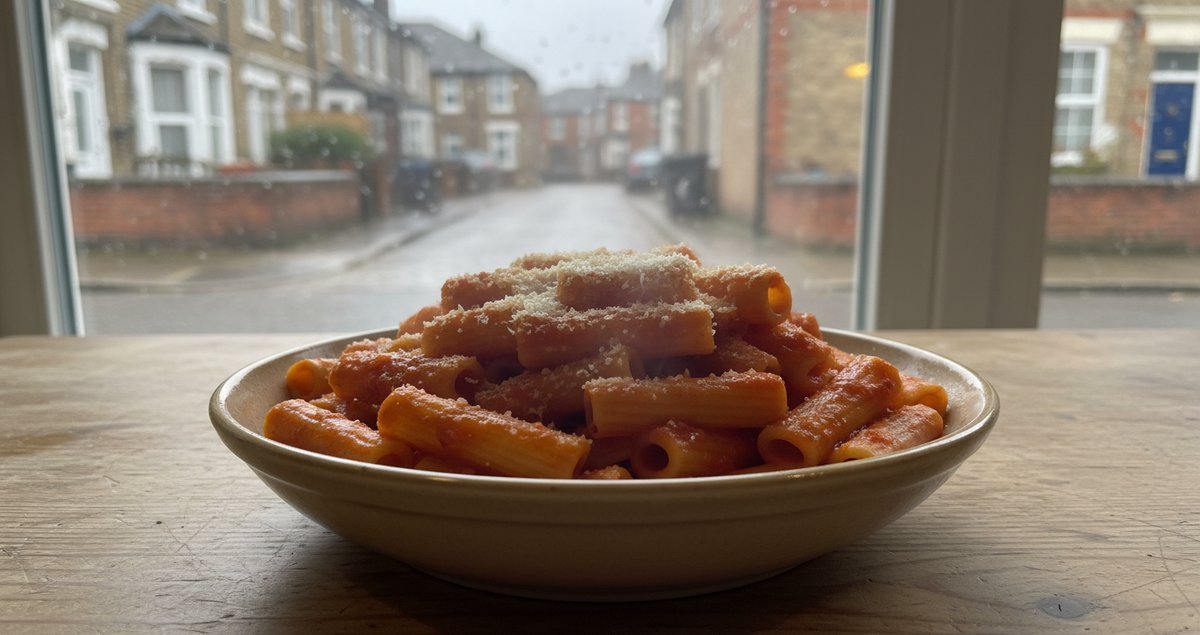
I have an embarrassing confession. After years of chasing complicated sauces and flamboyant techniques I keep coming back to a pot that starts with only four things and somehow ends up tasting like someone charged a lot and smiled while serving it. If you want to make something that feels like a restaurant without the anxiety and the bill then this is the trick you will actually use on a weeknight.
Why the four ingredient idea is not lazy cooking
People often call simple cooking lazy as if complexity equals effort. That is nonsense. Simplicity demands choices. It forces you to cut away the noise and let a few elements do the heavy lifting. This simple pasta sauce uses just four ingredients and it asks you to pay attention to timing and to the quiet chemistry between fat and tomato. That is where the restaurant taste comes from not from theatrics.
What those four ingredients are
I am not here to massage egos. The list is canonical and short: tinned tomatoes good quality is non negotiable, butter, a single onion, and salt. No garlic. No herbs pulsing in the pot like background singers. The omission is deliberate. It keeps the tomato voice clear and direct.
The trick is patient heat not showy technique
When people ask me why their sauces never taste quite right I ask them how they cook. Rapid boiling, aggressive stirring, an urge to rescue the pot with extra seasonings. None of those behaviors produces depth. Instead you set a pot on a low flame and let time do the slow work. The butter calms the tomato acidity while the onion, cooked whole then fished out, sits behind the scenes and gives roundness. You will be surprised how much personality comes from doing less and waiting.
“Put either the prepared fresh tomatoes or the canned in a saucepan, add the butter, onion, and salt, and cook uncovered at a very slow, but steady simmer for 45 minutes, or until the fat floats free from the tomato.” — Marcella Hazan, cookbook author, author of Essentials of Classic Italian Cooking.
That is not a recipe so much as a dare. Forty five minutes of quiet attention produces a sauce that tastes concentrated and clean. The onion is aromatic and sweet but not present as a chunk. The butter is there to lift and glue flavors rather than to announce itself.
A short digression on ingredient choices
If you are the sort who turns a principle into ritual you will insist on a certain brand of tomato and that is fine. I will say this: tinned tomatoes differ wildly. Some are perfumed and alive while others are flat and sugary. Buy better when you can and learn what your can tastes like cold before you commit. The butter does not need to be couture. A neutral unsalted block is perfect because you are in control of seasoning. The onion should be ordinary and honest. There is no moral heroism in fancy shallots here.
Where people go wrong
They brown the onion first, they throw in garlic at the start, they reduce too quickly, they add too much oil. All sensible moves in other contexts but here they upset the balance. If you brown the onion you change the profile from sweet clarity to roasted caramel which partly defeats the point. If you add garlic raw it can become aggressive. This sauce is about restraint not omission for laziness but omission for clarity.
How to make it feel restaurant made
Presentation matters but not the kind that requires tools. Drain your pasta a little undercooked and finish it in the sauce for a minute. That way the pasta carries the sauce and vice versa. Finish with a scatter of finely grated hard cheese and perhaps a drizzle of good olive oil off heat if you like a peppery finish. At the table, do not overexplain. The best restaurants do one gesture and let the food do the narrative.
“Season food with the proper amount of salt at the proper moment choose the optimal medium of fat to convey the flavor of your ingredients balance and animate those ingredients with acid apply the right type and quantity of heat for the proper amount of time do all this and you will turn out vibrant and beautiful food with or without a recipe.” — Samin Nosrat, chef and author, Salt Fat Acid Heat and James Beard Award winner.
Nosrat reminds us that fat is not decoration. It is the glue of flavour. In this recipe the butter does the emotional heavy lifting. It makes the tomato sing without dressing it up.
Small variations that keep the spirit intact
If you want to nudge the sauce without breaking its identity try one of these low drama moves. Add a splash of pasta cooking water when finishing to loosen the texture and to help the sauce cling. Swap a portion of the butter with good olive oil at the end for a vegetal finish. Reduce the cooking time by ten minutes if you are using ultra ripe fresh tomatoes but be prepared for a different character. These changes are echoes not rewrites.
A confession about nostalgia
People will tell you their grandmother’s sauce had other things in it. Fine. Memory is permitted to be loud and messy. I find that the pared back version carries memory better because it does not fight with recollection. It leaves room for you to add whatever else you want at the last minute on the plate. Basil can be that invitation. A squeeze of lemon can be too. The point is to create a foundation sturdy enough to carry personal touches.
When to make this sauce and why it matters
Make it when you are tired, when you are celebrating, when you are cooking for someone you want to impress or when you need a reliable, honest bowl that is not trying too hard. It is the kind of thing that ages well in your memory. And yes you will make it again because it is quick to assemble and generous in return.
People want glamour but they also crave honesty. This sauce gives you both. Its economy is not a kind of thrift but a statement that the best cooking often hides in the middle distance between effort and ease.
Final thoughts before you light the stove
Cooking this sauce is an exercise in trust. Trust that the tomato has something to say. Trust that the butter will do its job. Trust that waiting is not waste. You will be rewarded with depth and a kind of unshowy glory. And you will know that the next time you reach for a pot you can skip the performance and cook instead.
| idea | essence |
|---|---|
| ingredients | tinned tomatoes butter one onion salt. |
| method | slow simmer forty five minutes remove onion finish with pasta water and cheese. |
| why it works | fat calms acid onion adds sweetness slow heat concentrates flavour. |
| restaurant feel | finish pasta in sauce plate simply let flavours speak. |
faq
Do I have to use tinned tomatoes or can I use fresh?
Tinned tomatoes are forgiving and consistent which is why they are recommended especially in winter. Fresh tomatoes can be used but choose very ripe fruit and be prepared to adjust cook time. Fresh produce brings a different brightness and a lighter texture. The final result is honest but not identical to the canned route.
Why do I remove the onion rather than mince it into the sauce?
Leaving the onion whole and removing it gives you sweetness and an aromatic backbone without delivering onion as a textural presence. It keeps the sauce smooth and lets the tomato remain the lead. You can leave it in if you like but the experience changes toward more rustic and less transparent.
Can I substitute butter for olive oil?
Butter brings a creamy roundedness that tames acidity. Olive oil will give a fruitier more peppery note. Try a mix if you like a little of both. The crucial moment for olive oil is at the end off heat so that the oil retains its fresh notes rather than cooking off.
How should I finish the pasta?
Drain the pasta a minute shy of done and finish it in the sauce with a splash of pasta water. This allows the starches to bind the sauce and coat each strand which is how restaurants achieve a composed mouthfeel without drowning the pasta.
Is this sauce suitable for weeknight cooking?
Absolutely. It is deliberately built for real life. It requires minimal attention while it simmers and returns a lot of flavour for a small amount of time invested. It is reliable in both mood and outcome.
Can I make a big batch and freeze it?
Yes. The sauce freezes well. Defrost gently and if needed refresh with a knob of butter or a splash of pasta water when reheating to restore silkiness. Freezing does dull some volatile notes but the core flavour stays reassuringly intact.
Now light your stove and put on something you like to listen to. The sauce will do the rest.
