Humans have a softer relationship with smell than many animals. We perfume our homes and pour lavender into baths and call it calm. Rodents do not operate by our aesthetics. For them scent is a map a threat assessment a gossip column and a mating ad all at once. This odd sensory priority explains why certain scents send rodents elsewhere. It also explains why most home hacks about repellents wobble between charming and useless.
Not magic but chemistry and learning.
Before I get sentimental about little noses let me be blunt. When a minty spray seems to work it is rarely because the smell is intrinsically terrifying. It is usually an interplay of chemical intensity novelty and how a local population of rodents has learned to behave. A whiff of peppermint can be overwhelming to a mouse that expects crumbs and cardboard. To a long established colony that has been exposed to the same scent repeatedly the same peppermint might register as background noise.
Smell as a signal not a sentence.
Rodents use scent as information. It tells them where conspecifics have been what food is nearby which tunnels are safe and which places hide predators. That means a scent can do three different things. It can mask attractive cues. It can signal danger. Or it can be ignored if the animal realises the signal has no consequence.
In plain terms that means scent deterrents often work best as a short term inconvenience rather than a long term banishment. You can push mice to choose another route but you rarely change the underlying incentives that drew them in the first place. Remove food shelter and access points and any scent trick becomes a bonus rather than the whole story.
Our research on rodent behaviour and communication has helped us to understand the complexity of mammalian scents and their meaning.
Professor Jane Hurst Institute of Integrative Biology University of Liverpool
Which smells get the strongest reactions.
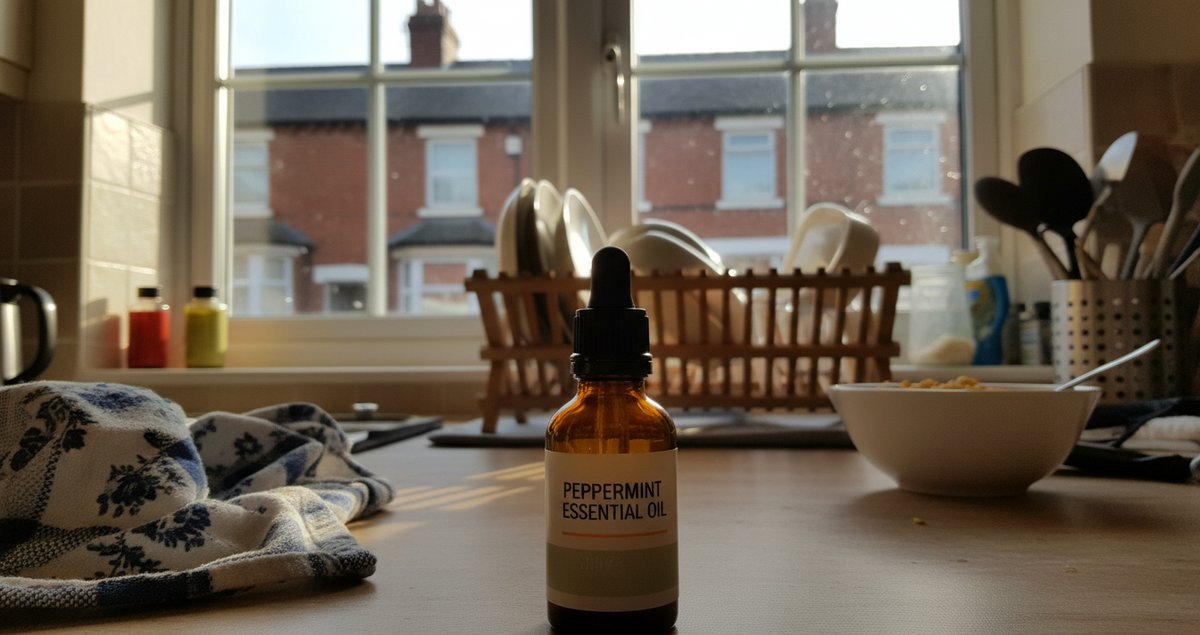
Peppermint lavender eucalyptus and certain strong herbaceous oils are often cited because they contain volatile compounds that hit the olfactory receptors at high potency. This is not a fashion statement. The chemistry is blunt. Menthol cineole linalool these molecules coat a small mammal’s sensory world and can be irritating or simply unfamiliar. That irritation can equal avoidance.
But here is the part that rarely makes the headlines. The same chemical that repels one population can attract another under different circumstances. Take lavender. For humans it suggests calm for a rodent it may mask the scent of food but if lavender sits near a food source and the animal learns the scent predicts crumbs it can become a cue for opportunity. Nature is not interested in our neat lists of repellents.
Intensity and exposure matter.
Many DIY guides advise cotton balls soaked in essential oil. Practical yes. Permanent no. The volatility of essential oils means diffusion rates and stability are everything. A mat soaked in oil releases a spike of scent then fades. If you create an intense but short lived signal you may scare a few individuals but you also teach survivors the smell is harmless when not coupled with an actual negative consequence.
I have seen that exact dynamic in terraces in northern towns where households douse cupboards in peppermint and the mice simply reroute into cavity walls. The scent did not stop ingress. It changed the pattern. That is often enough for a homeowner to feel vindicated but it also leaves the root problem unresolved.
The human factor and the ethics of pushing animals around.
I do not romanticise rodents. They spread disease they nibble cables and they make nests in places that make your skin crawl. But the instinct to displace is political as well as practical. When we talk about sending wildlife elsewhere we are often describing an externalisation of the problem to someone else or another building. That is acceptable when applied to biosecurity in food storage. It is less defensible when it simply shifts nuisances to neighbours who did nothing to invite the rodent census.
Accepting that scents are tools not solutions changes how you use them. Use them to buy time to fix gaps and sanitation. Use them to alter immediate animal behaviour during renovations. Do not assume they are humane silver bullets that will prevent reinfestation forever.
Learning and social transmission among rodents.
There is a social element to scent avoidance. Rodents learn from parents and peers which tunnels are dangerous. Where a scent is associated with a real negative experience such as a trap or a predator the aversion can be passed through generations as a learned behaviour. That is why a community of rats that has been exposed to dogs foxes and traps can be far harder to influence with smell alone than a naïve population living in a garden shed.
This learning creates an uneven playing field. Pest control practitioners in cities routinely emphasise that behavioural resistance is real and that a one size fits all scent hack will fail more often than not. The messy truth is that the most successful strategies mix chemical cues with physical barriers and good housekeeping.
Practical advice that feels honest.
If you want to experiment with scents pick a strategy and a goal. Are you trying to deter for a few weeks while sealing gaps or are you aiming to keep a yard clear indefinitely. For short term deterrence strong volatile blends work best. For longer term outcomes combine plantings and structural maintenance. A bed of rosemary or lavender may not keep every mouse out but paired with sealed bins and removed food it reduces the attractiveness of the site.
One small aside from experience. Wool retains essential oils better than cotton. That quirky fact matters if you want a slow release medium. But also remember pet safety. Many essential oils are toxic to cats and dogs. That matters more than any Instagram triumphant before and after.
Where the science still fails us.
There is no comprehensive catalogue that matches every scent to a consistent behavioural outcome across species and regions. Laboratory work decodes molecules but wild urban populations are messy. Soil composition climate human behaviour and even local diets shape responses. I want a single elegant table that tells me what to spray and when. The research is not there yet. For now we have useful heuristics and field reports that point the way but do not promise perfection.
That uncertainty is fine. It keeps the conversation open and forces practitioners to use multiple approaches rather than rely on a single trick.
Summary table of key ideas.
| Concept | What it means | When to use |
|---|---|---|
| Scent as signal | Smells provide information not magic deterrence. | Use to mask or temporarily divert rodents. |
| Chemistry matters | Menthol cineole linalool hit olfactory receptors strongly. | Effective for short term high intensity use. |
| Learning and habituation | Populations learn to ignore harmless scents. | Combine scent with negative consequences to create lasting aversion. |
| Structural fixes | Seal entry points remove food and shelter. | Essential for long term success. |
| Ethics and displacement | Repellents can shift problems elsewhere. | Use responsibly and inform neighbours if needed. |
FAQ
Do certain scents permanently keep rodents away.
Not usually. Scents can deter and alter movement patterns but they rarely create permanent exclusion on their own. Habituation and learning reduce long term effectiveness. The more important long term interventions are sealing access removing food sources and changing the habitat that makes a space attractive in the first place.
Which scents work best in practice.
Peppermint lavender and eucalyptus are commonly effective in the short term because of their volatile compounds. The effect depends on concentration delivery and the local rodent population history. What works in one street may fail in the next.
Can I use plants instead of oils.
Live plants like lavender rosemary and mint can help by adding persistent background scent and by making an area less attractive. They are never a complete solution but they reduce attractiveness when combined with other measures. They also add resilience because they do not evaporate away the way oils do.
Are scent deterrents humane.
Most scent deterrents are non lethal and therefore often considered more humane than poisons. But they can simply displace animals to other properties which raises ethical questions. Consider integrated strategies that aim to reduce habitat rather than forcing animals into someone else s problem.
How should I use scent products safely.
Follow label guidance avoid direct contact with pets and do not pour concentrated oils into drains or open soil. Use absorbent materials to extend release and refresh at intervals. If you have vulnerable animals in the household check with a veterinary professional before applying any strong essential oil close to living areas.
When should I call a professional.
If you suspect an established infestation if you find droppings in food preparation areas or if a scent strategy has only shifted activity elsewhere call a licensed pest control operator. Professionals combine behavioural insights physical exclusion and targeted interventions that reduce the chance of reinfestation.
There is something neat about the idea that a smell can change behaviour. It appeals to our desire for simple solutions. The reality is messier and more interesting. Scents send rodents elsewhere when chemistry meets context. Use them thoughtfully and you can tilt the odds in your favour. Ignore the details and you will learn that rodents are better at improvisation than most of our short lived remedies.
