There is a smell that makes rodents pause. Not a miracle cure, not a guaranteed eviction notice, but a consistent irritant to a mammal whose world is mapped by scent. Homeowners and gardeners have been using that scent for decades while pest controllers roll their eyes and think about sealing gaps. This article looks at what that smell is why it matters and how people co opt it to keep rats and mice at bay without setting traps.
What actually repels rodents
When people talk about scent based deterrents they usually mean strong aromatic oils and predator odours. The most common household contender is peppermint. It smells fresh to us and offensive to a tiny creature whose nose is a finely tuned instrument. Outside the kitchen there is another category predators produce a volatile chemical that screams danger to prey animals. Science has identified compounds that trigger hard wired avoidance in mice and rats. This is not folklore. It is a mix of chemistry and evolution.
Peppermint and other kitchen smells
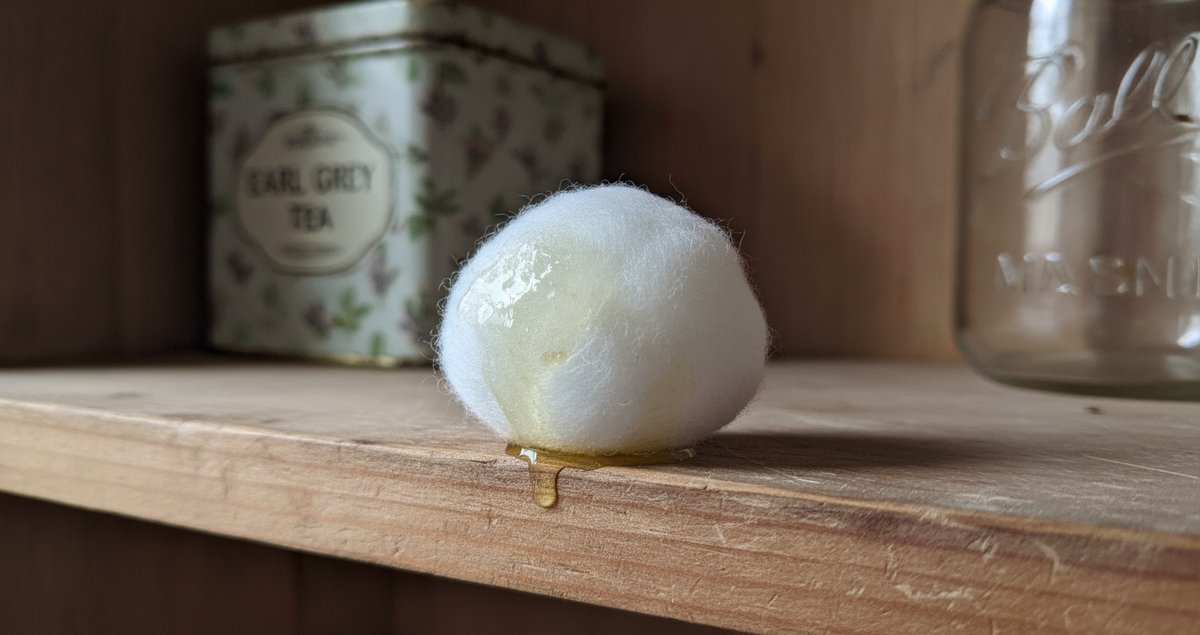
Peppermint oil contains menthol and related compounds that are powerful volatile organic molecules. In small spaces such as an enclosed cupboard or the hollow under a sink the aroma can be intense enough to mask the scent trails rodents use to navigate. Many people report short lived success placing cotton balls soaked in peppermint oil in cupboards or along skirting boards. It works sometimes and temporarily. The mechanics are simple the menthol overwhelms olfactory receptors and masks pheromone trails.
Predator scents and the science behind instinct
Scientists have isolated molecules present in carnivore urine and secretions that provoke innate avoidance in rodents. One well studied compound is 2 phenylethylamine. It is common in many carnivore samples and in lab tests triggers a clear flight or freeze response in mice and rats. The response is wired into the animal’s brain and is not learned in the short term. That makes predator derived products attractive as repellents for gardens and storage areas.
Rodents cause problems in countries all over the world due to the food they destroy the disease they spread to livestock and humans and the damage they cause to the built and rural environment. Professor Jane Hurst William Prescott Professor of Animal Science University of Liverpool
Jane Hurst’s work on scent communication in mice underlines why smells matter. Her research shows that chemical signals shape behaviour in ways that are practical and sometimes surprising. But there is a caveat. What works in a lab or a small controlled setup does not always translate into a messy lived in house or a busy yard.
How people use smells without traps
There are three practical strategies people lean on. One is masking replace the scents rodents rely on with stronger human friendly aromas. The second is signaling introduce a scent that signals danger. The third is nuisance management use odours as part of a broader hygiene and proofing approach. All of them share a weakness the need for reapplication and the problem of habituation.
Masking and displacement
Many households place cotton balls scented with peppermint oil in cupboards drawers and along potential access routes. Some mix essential oil with water in a spray bottle and mist around baseboards. Fresh strong smells confuse scent trails so a cautious rodent might choose another route. It is not rare to hear a neighbour boast of a peppermint victory lasting a few days. Experience suggests that the effect has a shelf life. Ventilation footfall and time dilute the aroma and the animals return if the entry points and food remain.
Using predator odours outdoors
Gardeners are more likely to try predator treatments. Commercial products simulating fox or coyote urine are sold for use around allotments chicken runs and compost heaps. When placed near a shed or under a hedge they can reduce the nerve of a rodent foraging in unfamiliar territory. But field research shows mixed results. In a familiar landscape where rodents know the safety of burrows a whiff of predator scent may be ignored if there’s a guaranteed food source. If the area is novel or if the scent is fresh it can change behaviour. The subtlety here is important the smell does not always equal safety for the gardener and it rarely replaces basic proofing.
Why these methods are often temporary and what people ignore
There are reasons these odour tactics are not the final answer. Scent molecules evaporate. Rodents have learning capacity and can habituate to persistent non lethal stimuli. A ration of food or a warm cavity beats an unpleasant smell every time if the alternative is survival. Moreover some methods are unsafe around pets and children and others just hide the symptom rather than fixing how animals get in. People who rely purely on scents often miss the simple mechanical work of blocking gaps cleaning up crumbs and moving compost that will remove the incentive for return visits.
A more honest use of smell as a tool
Smells are best used as part of a layered approach. Use scent to gain a little time to find entry points or to redirect activity through less sensitive areas. Use predator odour to discourage new scouting activity around a shed but then follow up with proofing and secure storage. This is not glamorous but it works. My own experience of living with a spirited old house taught me to treat aromatherapy for mice as a temporary ceasefire not an armistice.
Uncommon insights that most guides skip
First smells change social behaviour among rodents. Masking pheromone trails can disrupt mating or nest relocation in ways that are slow to surface. Second an over reliance on a single scent creates selection pressure. In a small scale repeated scenario bolder rodents that ignore that scent will breed and the deterrent weakens. Third the ritual of reapplication has social utility for people. It forces inspection. The act of replacing cotton balls lifts corners of carpets moves boxes and invites the human eye to spots that otherwise collect nests and crumbs.
When smell actually stops being humane
Some scents like concentrated ammonia are harsh and can cause harm to non target animals and people. Mothballs contain chemicals that are unpleasant and potentially hazardous. Predator urine used irresponsibly creates an unnaturally stressful environment for wildlife and domestic pets and in some cases is illegal if used to mislead hunters. Ethical pest management should consider welfare and safety at every step and not treat smell as an easy moral shortcut.
Final thoughts
Smell is a fascinating weapon in the small war between people and rodents. It can buy time shape behaviour and at its best nudge animals away from human spaces. It is not magic. It is conditional contingent and often temporary. Use it intelligently and it becomes part of an honest strategy. Use it as a superstition and you will learn its limits fast.
Summary table
| Idea | What it does | How to use it |
|---|---|---|
| Peppermint and aromatic oils | Masks scent trails irritates olfaction | Place oil soaked cotton balls in small enclosed spaces reapply regularly and combine with proofing |
| Predator derived odours | Signals danger triggers innate avoidance | Use outdoors in novel areas rotate locations and do not rely on them near known burrows |
| Masking as inspection | Creates opportunities to find entry points | Use reapplication as a prompt to inspect clean and seal |
| Limitations | Evaporation habituation and safety concerns | Do not use strong chemicals near children or pets always proof and remove attractants |
FAQ
Do rodents truly hate peppermint
Peppermint can be unpleasant to mice and rats and in restricted spaces it can deter movement for a short time. The effect is rarely permanent because the scent fades and animals can adapt when faced with food or shelter. Use peppermint as a temporary measure while you identify and fix entry points and remove food sources.
Are predator smells a reliable method for gardens
They can work in certain settings particularly when used to dissuade new scouts in unfamiliar terrain. Their effectiveness is less in areas where rodents have established burrows or reliable food. Rotate placements and combine them with habitat modification to see a more lasting impact.
How often must scented deterrents be replaced
It depends on airflow temperature and the potency of the product. In many homes aromatic cotton balls or sprays may need refreshing every few days to a week. Outdoor predator scents need replacement more often after rain or intense sun. The reapplication schedule becomes a useful inspection routine for other maintenance tasks.
Can smell work on its own instead of proofing and cleaning
No. Smell based strategies are supportive. They may redirect or discourage for a time but they do not remove structural access or food attractants. The only sustainable solution pairs deterrents with sealing gaps cleaning up potential food and changing the environment that invites rodents indoors.
Are there ethical or safety concerns with using certain smells
Certain products are inappropriate near children pets or wildlife. Strong chemicals and mothball compounds carry risks and predator products can stress non target animals. Choose human friendly essential oils for indoor use and always prioritise humane practices and practical proofing work.
