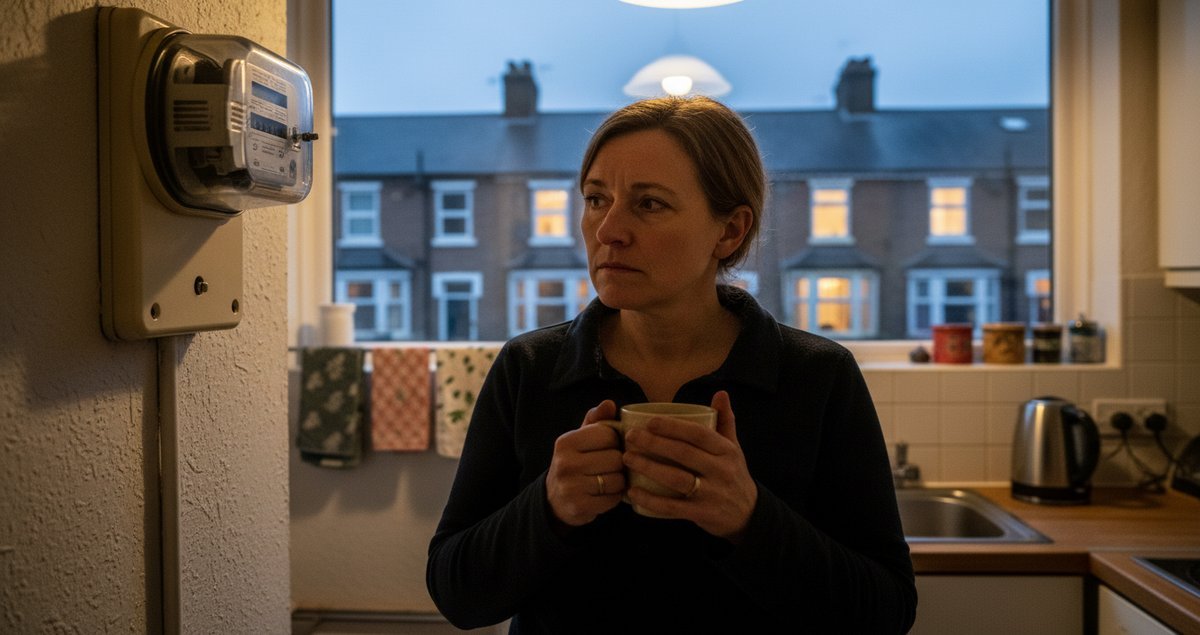
I recently stood by my kitchen window on a weekday evening and watched the neighbourhood lights come on like a slow chain reaction. There is a particular hour when homes across Britain are all asking the same thing of the grid and that concurrence matters. It is not romantic. It is expensive. This article digs into the time of day many homes use power that costs the most and why that hour still feels like an avoidable traffic jam of electrons.
Peak hour is a social habit more than a technical problem
Most of the data and the grid managers point to a simple pattern. Demand rises as people return from work prepare evening meals switch on heating or lighting and plug in devices. In modern Britain that pressure typically concentrates in the late afternoon to early evening window. The effect is predictable because it is shared. When we all want the same thing at once the system has to call on the most expensive options available and that drives higher prices and strain on infrastructure. That is the blunt truth behind a polite looking graph of demand curves. It is not just numbers it is a behaviour problem.
What the official view says
The grid operator and several energy charities consistently highlight this period as the national peak. Peak windows are described as being roughly between the mid afternoon and the early evening with test events often scheduled in a narrower slot where demand is most concentrated. This matters because grid balancing services and emergency calls for extra generation almost always occur during that same slot. Evidence and programmes designed to shift usage therefore focus on it. ([smartenergygb.org](https://www.smartenergygb.org/using-your-smart-meter/understanding-energy/energy-flexibility?utm_source=openai))
A brass tacks explanation of cost spikes
There are two simple reasons prices spike at peak. One is supply. When demand surges the system must bring online generation that is more expensive to run than the low cost renewable and nuclear fleet that handles base load. The other reason is market mechanics. Wholesale prices respond to tight margins and those really expensive short term resources set the price for everyone. That combination is why a handful of hours can account for a disproportionate share of system costs and why those hours feel more expensive even if your contract does not show a separate peak rate.
It is not identical across all tariffs
If you are on a flat rate tariff the wholesale peaks still matter indirectly since suppliers budget for those events and pass the costs through in different ways. Time of use tariffs and new flexibility schemes make the relationship more visible by offering discounts for shifting load or even paying customers to reduce usage during stress events. The technical detail is interesting but the practical point is harder to sell: consumers have to change their rhythms or accept the higher marginal costs that arrive when everyone cooks and charges and heats at once. ([energyplus.co.uk](https://www.energyplus.co.uk/CostSavingAdvice/best-time-of-use-electricity-tariffs-uk-for-households?utm_source=openai))
A real expert on why demand flexibility matters
We are delighted that Ofgem has approved the use of our Demand Flexibility Service this winter. It will help mitigate the potential risks that the ESO has outlined in its Winter Outlook and will allow consumers to see a financial return for reducing their electricity use at peak times. Fintan Slye Executive Director National Energy System Operator.
The quote above comes from the grid operator and I include it not as abstract reassurance but because it reveals the strategy in one line. The system is asking for behavioural change and offering a visible financial nudge in return. Whether that nudge is enough is another question.
Little noticed winners and losers during peak
People with storage strong heat retention in their homes or smart setups gain an advantage. An electric vehicle owner with home smart charging can schedule fill overnight when the system is quiet. A household that relies on instant electric heating and manual timing has far less leverage. The shift to electrified transport and heating will amplify these differences unless policy and markets push for fairer access to flexibility tools. Right now the advantage is structural: those with disposable capital for batteries and controls can play the arbitrage game more easily than those who cannot. That makes peak not only an engineering problem but an equity one.
Why routine still wins over clever tech
People do not change their evening habits because a tariff exists. They change when there is a compelling reason and that reason is rarely technical. The promise of a discount is modest for many households and swapping your dinner time or appliance schedule feels like friction not a benefit. That is why national programmes emphasise easy wins automated timers and simple nudges delivered via apps. It works better to remove the choice than to expect mass willpower on a long rainy Tuesday after a long commute.
My opinion on what will actually reduce the costs
I think the solution will not be a single magic feed in tariff or one killer app. It will be a slow mixture of better pricing design targeted support for vulnerable households wider rollout of batteries and domestic thermal stores and stronger incentives for suppliers to reward not just peak reduction but sustained flexibility across seasons. Politically easy fixes will keep failing because they treat peak as a short term market glitch. Peak is a social pattern woven into work and school and street life. Change the pattern and you change the cost curve. Patch it with technology and you postpone the reckoning.
Small experiments that matter
Local trials that involve neighbourhood level thermal stores time switched immersion heaters or co ordinated EV charging have been surprisingly effective at shaving peaks in limited pilots. The practical truth is simple. When the people involved can see the benefit in their bill or in community outcomes they participate. When the incentive is abstract they ignore it. That is a lesson for national policy as much as it is for suppliers.
What you can do tonight
If you want to avoid the most expensive hour shift laundry and dishwasher runs outside the late afternoon window consider smart timers for charging and pre heat your home if you have the equipment. Small behavioural changes repeated by many people will bend the kink in the demand curve. Whether that is fair or sustainable as a long term strategy is debatable. It is a stop gap and a social test.
Closing thought
Peak hour is revealing because it is where household routines and energy policy meet. It is the hour that shows who benefits from the way our energy system has evolved and who pays for inertia. The hour will change as infrastructure and culture change. Until then it is where friction concentrates and bills climb. That is worth paying attention to not because the graphs are pretty but because everyday choices are quietly shaping the cost of power for everyone.
Summary table
| Idea | Key takeaway |
|---|---|
| The peak window | Most national demand concentrates in the late afternoon to early evening creating the highest marginal costs. ([smartenergygb.org](https://www.smartenergygb.org/using-your-smart-meter/understanding-energy/energy-flexibility?utm_source=openai)) |
| Why costs spike | Expensive generation and market pricing set short term prices when margins tighten. |
| Who benefits | Households with storage automation or flexible charging see the biggest gains. |
| Policy lever | Demand flexibility programmes and targeted local pilots shift behaviour more effectively than one off discounts. ([neso.energy](https://www.neso.energy/news/esos-demand-flexibility-service-launches?utm_source=openai)) |
FAQ
What exact time is the most expensive for household electricity?
There is no single minute that applies to the whole country but the thickest part of the peak typically falls in the late afternoon to early evening. Many studies and system operator programmes focus on a narrow band inside that window for test events and incentives. The precise hours can vary by season and by the design of specific time of use tariffs but the behavioural driver is shared social routine and evening activity. ([goodto.com](https://www.goodto.com/money/is-electricity-cheaper-night-656048?utm_source=openai))
If my tariff is flat rate do peak events affect me?
Yes indirectly. Suppliers face the same wholesale price spikes and balance costs during high demand periods. Those costs are recovered through billing structures or in the long run through the ranges of tariffs offered. A flat rate protects you from hourly price shocks at the point of use but not from the systemic costs that emerge when the system is stressed.
Are time of use tariffs always better?
Not always. They are a tool that rewards shifting load but deliver value only if you can reliably move enough consumption out of the peak window. They are very good for those who can schedule EV charging or run appliances overnight. They are less good for households whose main usage occurs in the evening and who cannot shift it without substantial cost or inconvenience. Assess the fit based on your daily routines and technical capacity for automation. ([energyplus.co.uk](https://www.energyplus.co.uk/CostSavingAdvice/best-time-of-use-electricity-tariffs-uk-for-households?utm_source=openai))
Will more renewables remove the peak?
More renewables reduce average costs but they do not automatically remove the peak. Renewable generation is variable and often does not align perfectly with evening demand. Storage wider smarter grids and demand flexibility together with renewables will blunt the peak but behavioural and structural changes are required too. The peak becomes a problem of coordination as much as of supply.
How do demand flexibility schemes affect vulnerable households?
They can help by reducing system costs and offering incentives but there is a risk that those without access to smart tech batteries or flexible work patterns will benefit less. That creates an equity challenge that policy needs to address through targeted support and inclusive rollout strategies.
