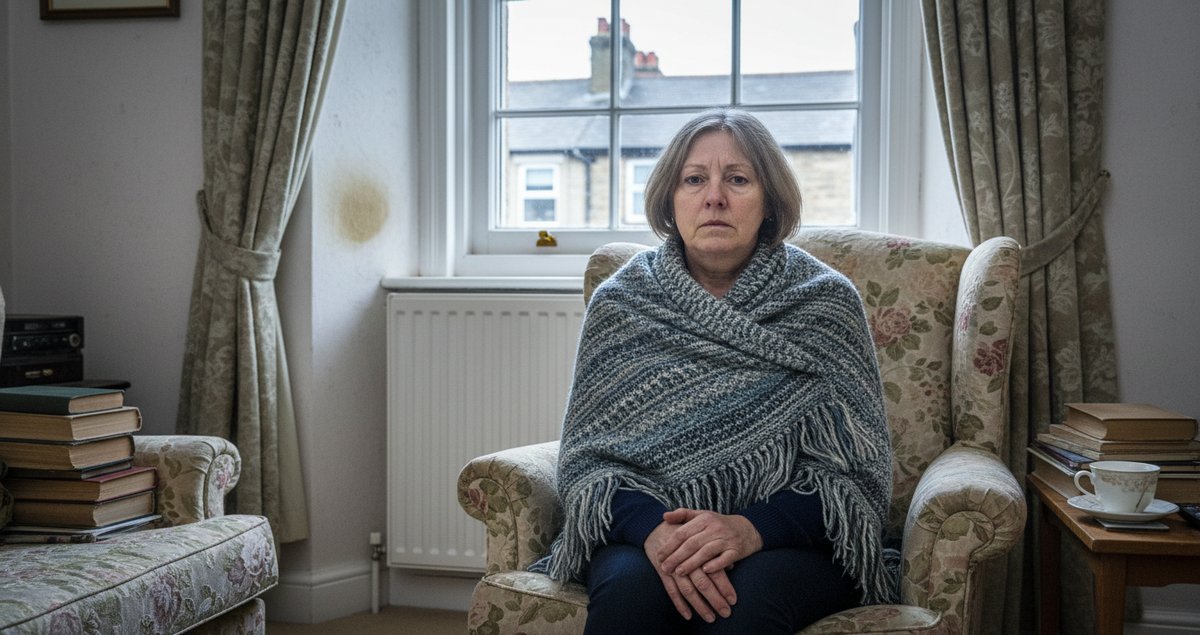
There is something petty and infuriating about cranking the thermostat and still sitting there shivering. You have the radiators working the kettle on the hob and yet your fingers are numb and your ankles ache with cold. This is not just you being dramatic. Turning the heating up but still feeling cold is a real problem and most people miss the single simplest reason that long before a boiler fails can make a room betray its thermostat.
Not all warmth is the same
Heat is not one homogenous sensation. Air temperature tells part of the story but our bodies listen to more subtle cues. Walls, windows and floors talk back to us in radiation and drafts. Sit close to a cold window and you will feel chilled even if the thermostat reads 21 degrees. That feeling is honest and local. The house is delivering heat into the air but letting your skin send energy away to cooler surfaces. It is almost theatrical. The meter shows a number while your body files a complaint.
Why the thermostat lies to you
Thermostats measure air temperature at their location. They do not measure the temperature of the room as your body experiences it. If the thermostat is in a warm cavity near the boiler or poorly placed by a sunny window it will switch off long before the corners where you sit feel comfortable. Conversely a thermostat in a cold corridor may run the system endlessly while the living room swelters. Placement matters but there is an even quieter factor that designers and DIY blogs routinely sideline.
Mean radiant temperature and the invisible thief of warmth
Mean radiant temperature is the averaged effect of all the surfaces around you. It accounts for how much heat your skin loses to the cold pane of glass, to a chilly external wall, or to the draft that whispers down the gap beneath the door. A room with a low mean radiant temperature will feel cold even when the air is nominally warm. Architects talk about it in clinical terms but you feel it in your feet and neck. It is not a fashionable idea for clickbait but it is crucial.
“The mean radiant temperature is as important a determinant of comfort as air temperature.” Michael A. Humphreys Principal author CIBSE Guide A Oxford Brookes University.
The line above matters because it comes from the industry literature used by building engineers and designers. It means that if surfaces are colder than the air you will feel cold. That is the one overlooked piece when people get hung up on thermostats and boiler pressure alone.
How common problems map to this idea
Single glazed or poorly insulated windows create local cold sources that the body notices immediately. Metal skirting boards and exposed concrete floors act like small radiators of absence. Even heavy curtains can betray you by being thin at the hem where cold air pools. If you have a modern house with underfloor heating poorly balanced the floor might be warm while walls stay cold and the result is an odd mismatched sensation that tricks you into raising the thermostat.
Sometimes the issue is movement of air. A modest draft across your lower legs or around the neck will plunge your comfort despite the rest of the room being acceptable. The body prioritises extremities. Make the ankles and head warm and the room suddenly becomes a lot more bearable without touching the boiler. This is why so many older people insist on hot water bottles and wool socks while the rest of the family complains that the room is too warm.
Practical adjustments that actually change the way warmth feels
There is a handful of things that change perceived warmth far more effectively than just asking for higher temperatures. Raise the operative warmth around the person not the thermometer reading in the room. A simple change in furniture placement so you do not sit in front of a big cold window can matter more than two degrees on the dial. Treat draughts like leaks in trust. Seal them selectively rather than putting the whole house through a medieval furnace.
Consider radiant sources. They do not need to be dramatic. A small electric panel positioned to gently warm the wall behind your chair or a rug that adds insulation beneath your feet will alter mean radiant temperature locally. I confess this is one of those small interventions I enjoy recommending precisely because it feels cunningly domestic rather than expensive or heroic. It is also kinder to the planet than just turning up the gas.
A note on humidity and perception
Low humidity makes a room feel colder than it is because dry air increases evaporative heat loss from the skin. Conversely damp rooms can feel clammy and cold even at higher temperatures. Most modern advice doubles down on air temperature and misses how moisture behaves with surfaces and people. A modest lift in humidity to a comfortable range changes how heat is held on your skin and can move the comfort needle without transforming your bills into a horror story.
When the system is to blame
Sometimes the house is being honest: the heating system is underperforming. Sludge in radiators, unbalanced flows, faulty valves and trapped air can all mean radiators do not deliver heat evenly. That said, before calling the engineer, do a quick series of checks. Feel the radiator top bottom and middle. Is it cold at the top and warm at the bottom This suggests trapped air. Is the pipework cool at one end Warm the other That suggests flow issues. These are simple observations that can save you time and avoid an unnecessary service call.
When you do call a pro, ask them to consider both surface temperatures and air temperature. Good engineers will measure both and remark when the mean radiant temperature is low. That is a sign your house will demand more than a new boiler. Sometimes the best investment is insulation not more heat.
Personal and political decisions
There is a human politics in heating. Who gets the warmest chair Who tolerates the lower night time thermostat Who bears the burden of fuel bills This decision making matters as much as technology. I am plainly biased in favour of small, targeted adjustments that make a room feel warmer to specific people rather than the whole house. It is a pragmatic environmental stance but it is also social. I would rather cosy up a corner for someone than force everyone to sweat to please a thermostat.
At the macro level we keep debating the right target temperature for homes while glossing over how different homes behave. A given number is a poor conversation partner for a nation of mixed housing stock. We need to talk about surfaces and local warmth rather than only about national set points.
Final thought
If you find yourself always turning the heating up but still feeling cold try to locate the cold before you raise the temperature. The answer is rarely as blunt as the thermostat. Sometimes softness at the feet or a warm panel behind your chair will transform your comfort more than another degree on the dial. And that small trick feels quietly rebellious in an age that tells us to solve everything by consuming more energy.
Summary table
| Issue | Why it makes you feel cold | Simple fix |
|---|---|---|
| Low mean radiant temperature | Surfaces are colder than air so the body loses heat by radiation. | Warm nearby surfaces with rugs curtains or a radiant panel. |
| Thermostat placement | Thermostat measures local air not the spot where you sit. | Relocate thermostat or use smart zoned sensors. |
| Drafts | Air movement cools exposed skin especially feet and neck. | Seal gaps and use targeted draught blockers at doors and windows. |
| Low humidity | Dry air increases evaporative cooling from skin. | Raise humidity modestly with a humidifier or plants. |
| Imbalanced heating | Parts of the system do not deliver heat evenly. | Bleed radiators check valves and call an engineer for balancing. |
FAQ
Why does a single cold window make the whole room feel colder
A cold window acts like a local radiator of absence. Your skin loses heat to that cold surface by radiation and convection so you notice chill even when the room air feels fine. The body senses local heat loss more strongly in exposed areas such as the face and hands. Treating the window surface or altering seating removes the local sink and often fixes the complaint more effectively than raising air temperature.
Will simply moving the thermostat fix the problem
Moving the thermostat can help if placement is the only problem. It will not change surface cold sources. If you move the control into a more representative location or use additional sensors in occupied rooms your heating will better match how people actually experience the space. Combining this with small changes to reduce surface cold yields the best result.
Is a higher humidity always better for warmth
Moderate humidity alters the sensation of warmth because it reduces evaporative heat loss from the skin. Too much humidity however can create damp problems and a clammy sensation. The goal is a comfortable middle ground where air feels neither arid nor oppressive. Small deliberate increases in humidity can change perception without large energy costs.
What should I ask an engineer to check when radiators feel cold
Ask them to check flow balance and to measure surface temperatures not just air temperature. Request that they bleed radiators confirm radiator valves are working and if necessary balance the circuit. If surfaces remain cold after these checks examine insulation and glazing performance. A well informed technician will point to which of these is the real problem.
Can rugs and curtains really make that much difference
Yes. Small insulating layers change the temperature of surfaces you contact or see. A rug lifts floor surface temperature at the point where your feet rest. Thick curtain hems prevent pools of cold air at the glass and soften radiant loss. These are local interventions that shift mean radiant temperature around the person and can be surprisingly effective.
When is replacing the boiler the right choice
Consider boiler replacement if the system cannot deliver required flow or if it is inefficient and repairs are frequent. Often the cheapest route to perceived warmth is insulation and better distribution rather than a new boiler. A thorough assessment will tell you if the boiler is truly the bottleneck or merely a more visible scapegoat for systemic issues.
