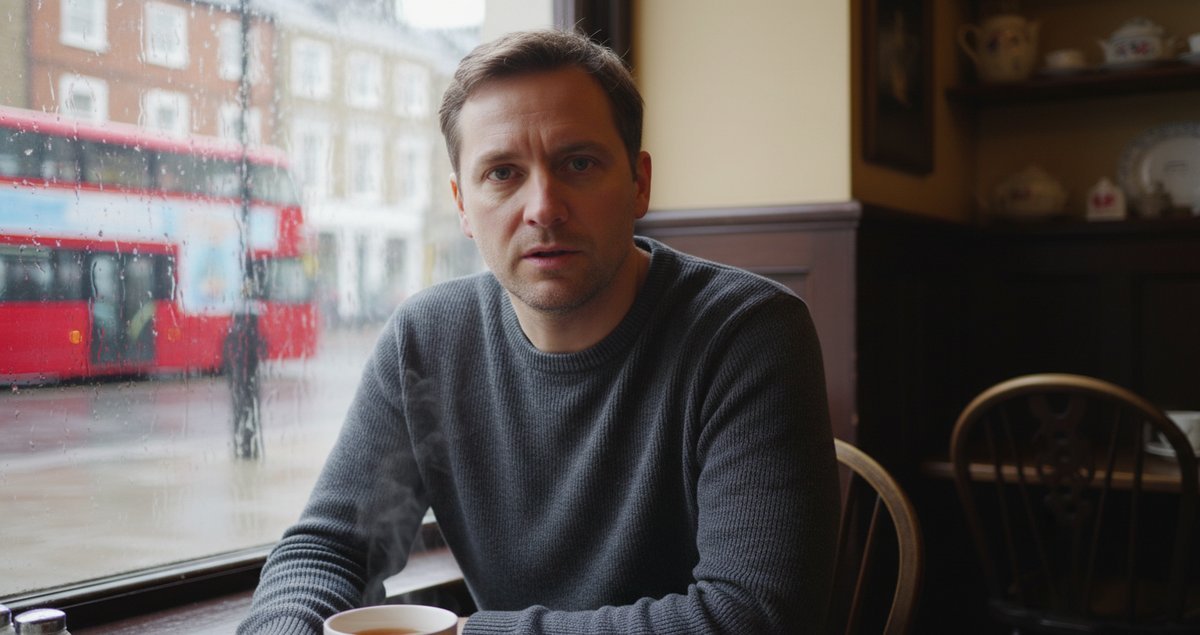
I once sat opposite a senior editor whose chair was slightly higher than mine. It was a tiny difference. Yet across an hour I felt my sentences shorten and my questions thin. By the last 10 minutes I had stopped interrupting and accepted a framing I did not entirely agree with. That experience is the simplest way to begin this messy conversation about how chair position affects your sense of control in conversations.
Small geometry big consequences
We routinely treat chairs as passive furniture. They are not. A chair is a social tool that shapes posture voice timing and a thousand microchoices that tilt power one way or another. When someone shifts forward in a low seat they usually compress their torso their breath changes and they sound constrained. When someone settles back in a taller chair or one with more visible armrests they take up space literally and figuratively. I am not saying there is an absolute law that taller chair equals dictator. Life is not that tidy. But over repeated encounters patterns emerge. Subtle changes in seat height back support or angle change how people breathe where they place their hands whether they lean in to interrupt and whether they leave room for others to speak.
The unnoticed choreography
Conversations are choreography without rehearsals. A chair nudges that choreography. In a small meeting the person who sits with feet planted and elbows resting on armrests will often own the corners of silence because the body reads as steady which the mind often interprets as certainty. Conversely a person sitting low or withdrawn leaves lateral space that others will unconsciously occupy. That lateral occupation is not always rude. Often it is how groups find leaders. But the mechanics of how that happens are worth noticing. It is not just about height. It is also about where the backrest meets the spine whether the seat invites forward lean or penalises it and whether the chair visually says this is your chair or that one.
Why this matters more than you think
Most writeups on posture recycle the same slogans. I will be blunt. The effect of seat choice is not always about dominance. It is about control of narrative. A person who sits in a specific way can slow down others speed up the cadence of the exchange and even make some topics seem safer or more risky to raise. In negotiations an adversary who appears comfortable in their chair can coax concessions simply by maintaining a steady breathing rhythm that makes the other side feel rushed. In creative conversations a person who rests back might encourage wild ideas by signalling that no immediate judgement is coming. The chair is an instrument that modulates the emotional climate.
Not every setting reacts the same
The British pub booth. The corporate boardroom. A kitchen table at home. Each stage rewrites the subtle grammar of seat control. In a booth where faces are close the chair height matters less than whether you face across a table or sit adjacent. In a boardroom long tables amplify head position. At home a wobbly kitchen chair signals intimacy more than authority. So context bends the chair effect. I do not want to pretend a single rule applies everywhere. I want to insist however that we pay attention because the defaults favour certain people over others. Chairs are quietly political.
When design makes a choice for you
Designers make decisions that pre-script social relations. Fixed seats bolted to floors create roles. Freestanding movable chairs create more fluidity. When you walk into a meeting room and every chair is identical your body relaxes into a role shaped by other cues. When one seat has a high back and heavy armrests it will attract people who seek the visual marker of authority and others will gravitate around them. That is not necessarily manipulative. Sometimes a clear anchor in a meeting reduces chaos. My position is that we should be intentional. Choose the seating when you want a particular kind of conversation rather than letting the furniture decide for you.
Right there is a message going to your brain telling you your body is telling you that you are powerful. Amy Cuddy. Social psychologist. Harvard University.
That observation from a well known researcher matters because it highlights how physical posture and context feed perception. The power posing debate is complex and contested. Some studies show limited replicability yet the general finding that posture influences how we feel and how others read us is hard to ignore. I am not endorsing a magical trick. I am saying the chair is one of the levers in that messy system.
Practical experiments you can try that are not twee
Try this in your next ordinary meeting. Sit in the chair you would not normally pick. Do nothing theatrical. Notice how your voice moves through the first ten minutes whether you interrupt more or less how comfortable you feel proposing a wild idea and whether others close their posture or open up. Repeat with the chair you normally choose. The differences will be small but instructive. These experiments are not prescriptions. They are probes. The point is to pay attention not to perform.
Power without theatrics
People often assume gaining control means dramatic moves. I disagree. The most effective shifts are incremental. A slightly raised seat that lets you rest your elbows and breathe easy is more potent than an ostentatious gesture. Conversations respond to rhythm and steadiness more than to one off displays. That steadiness is what the chair can buy you because it fosters micro habits in breathing posture and timing.
Questions I leave you with
Who benefits from the default chairs in your office or cafe. How might small changes to seating redistribute voice. Are you comfortable deliberately choosing a seat to shape a conversation or does that feel manipulative. I believe we should own this skill because ignoring it hands away influence in ways that often reinforce existing inequalities. I also think we will learn new social habits as remote work continues to reorder the furniture of our lives. The camera frame is a seat now and its composition matters.
Key takeaways summary table
| Idea | Why it matters |
|---|---|
| Chair height and support | Alters breathing posture and perceived steadiness which affects conversational timing. |
| Armrests and visible space | Signals comfort which others read as permission to yield or defer. |
| Context matters | Different settings rewrite seat meaning so one size does not fit all. |
| Design choices are political | Furniture presets social roles either explicitly or implicitly. |
| Practice awareness not tricks | Small intentional experiments reveal patterns without theatrics. |
FAQ
Does sitting higher always make you more in control of a conversation
Not always. Sitting higher can increase visible steadiness and may make you feel more composed which can translate into conversational control. But contexts and personalities modulate this. Some people read a deliberate low stance as reflective and that can command respect in certain circles. The important part is to be deliberate rather than defaulting to a posture that undermines your aims.
Can changing my chair change how others treat me
It can nudge perceptions because people use body cues to form quick judgments. Changing your chair will not rewrite deep reputations overnight but it can influence small moments where tone and timing shift. Small moments add up especially in recurring relationships.
Is choosing a seat manipulative
Intent matters. Deliberately picking a seat to help you express an idea more clearly or to feel less anxious is different from trying to coerce someone. I think influence is part of civilised interaction. Being mindful of how seating affects the exchange is a way to make space for better conversation rather than to dominate for its own sake.
How does remote work change the chair dynamic
The camera frame now plays the role of a chair. Camera angle height and how much of your torso is visible affect how you are perceived. People who learn to use their frame to create steadiness and space can shape remote conversations the same way they might in person. The principles carry across mediums even when the instruments differ.
Should meeting rooms have identical chairs
Uniform chairs reduce accidental hierarchy but they also remove anchors that can help meetings run smoothly. I favour intentionality. If you want egalitarian discussion choose neutral seating. If you need a clear facilitator role make that explicit rather than relying on furniture to do the job silently.
