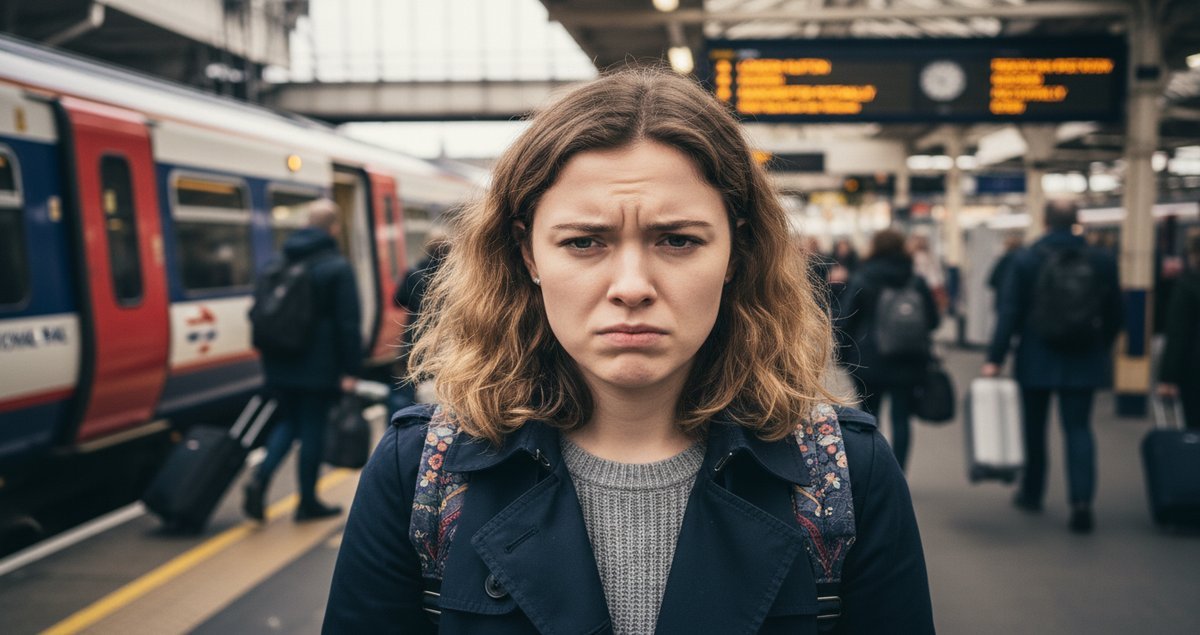
Anticipation stress is a strange companion. It sits in the margins of your day folding laundry with your thoughts or rises like a tide when you are trying to sleep. You know the feeling. The knot that forms weeks before a meeting or the loop that replays every possible calamity before a medical appointment. This article argues that anticipation stress is not merely a weaker form of genuine stress. It is a different animal that borrows the body of stress while wearing the mask of a future you cannot control.
What actually happens when we anticipate?
When you imagine a future danger your brain does not file it away as make believe. It rehearses. The nervous system strings up the same physiological instruments used for real threats. Heart rate nudges higher. Blood is reallocated. Your attention narrows. You are preparing to act. The twist is that with anticipation stress the action seldom arrives in a clean way. There is no predator to outrun. That prolonged preparation becomes a drain. You live in the warm up indefinitely.
The cognitive loop versus the event
Real stress tends to be event bound. There is an identifiable trigger a spike and then a resolution. Anticipation stress unfolds differently. It embeds itself in thought patterns that replay and escalate. People do not just worry; they generate contingency telescopes where each rung grows more catastrophic the higher you climb. The body responds as if each rung were real.
We turn on the exact same stress response for purely psychological states. Thinking about the ozone layer the taxes coming up mortality thirty year mortgages we turn on the same stress response and the key difference there is we are not doing it for a real physiological reason and we are doing it non stop. Robert M. Sapolsky Professor of Biology and Neurology Stanford University.
That quote is blunt because the phenomenon itself is blunt. There is no shame in admitting that the brain is a machine that practices disaster in order to survive. The problem arrives when rehearsal becomes the main show.
Why anticipation stress often feels worse than real stress
Anticipation stress carries a slow burning quality. The acute episode is noisy but short lived. Anticipation is quiet but continuous. This difference changes experience in at least three overlapping ways. First there is uncertainty. The unknown is fertile ground for the imagination to sow worst case scenarios. Certainty constrains the imaginings. Second there is duration. A short intense stressor ends. Anticipation can last weeks or months and the cumulative cost is not just psychological. The body pays for it. Third there is control. Facing a real task often offers a route of action. Anticipation leaves you in planning paralysis where action remains hypothetical.
Physiology catches up with narrative
It is easy to speak about thoughts and feelings as though they live only in the mind. They do not. The endocrine system does not read the fine print of a thought to determine whether it is legitimate. When you mentally rehearse a breakdown your adrenal axis responds. Over time these responses tax sleep appetite and immune function. Here is the uncomfortable observation. Anticipation stress is cleverer than acute stress. Acute stress announces itself and then leaves. Anticipation sneaks behind the door and rearranges the furniture.
My unpopular view
I think modern life has outsourced an enormous portion of risk assessment to worry. The architectures of work and social media reward perpetual scanning of potential threats. Employers want people who predict problems so much that we end up training our neurochemistry to be in a constant state of readiness. I am not arguing that forethought is bad. Forecasting is useful. But I do believe there is a cultural tilt that incentivises anticipation stress as a desirable competence in ways that are quietly harmful.
We have come to mistake vigilance for virtue. That mistake costs us attention and energy which are finite. If you keep a small war going in your head you will bring less to the small acts of living that matter. That is not a platitude. It is a measurable leak.
Moments of reflection
Try this. Name the fear and then ask what you can actually do about the part that exists beyond your control. Identification sometimes reduces the appetite of anticipation. Saying the dread out loud slices it into manageable pieces. It will not cure everything. Sometimes naming the fear increases it briefly. That is okay. The point is not to perform a tidy technique and move on. The point is to shift the conversation from a looping private monologue to a series of smaller negotiable problems.
A note on performance and productivity
There is a myth that anticipatory stress helps you perform by keeping you sharp. In certain narrow cases a mild level of anticipatory arousal may prime attention. Most of the time what is happening is a trade off. The nervous system is spending energy on vigilance that could have been spent on creative digestion. The expected benefit rarely materialises in proportion to the cost. In my experience teams and individuals who valorise constant readiness produce good plans but fewer finished projects. The clarity you think you are buying with perpetual anticipation is often an illusion.
Where this leaves us
Anticipation stress deserves a different set of responses than acute stress. You cannot treat it as a short burst issue. You must consider duration unpredictability and the narratives that feed it. You also should not moralise it. Worry is a human capacity that has adaptive roots. It becomes a problem when it is rewarded by the structures you live and work in.
I will not promise a tidy cure here. The point I want to leave you with is this. Anticipation stress is not simply less intense than actual pressure. It is a structural mismatch between an organism built to react and an environment that asks it to rehearse forever. Recognise the mismatch and then decide where you will act. Even small choices about what to rehearse and what to let remain uncertain can change the tempo of a life.
| Key idea | What it means |
|---|---|
| Anticipation stress is different | It uses the same physiology as acute stress but without a clear endpoint. |
| Duration matters | Longer rehearsal increases cumulative bodily cost. |
| Uncertainty fuels escalation | Unknown outcomes give the imagination space to catastrophise. |
| Society rewards vigilance | Work and culture can sustain anticipatory loops. |
| Practical stance | Name specific fears break them into negotiable problems and choose what to rehearse. |
Frequently asked questions
How can I tell if I am experiencing anticipation stress rather than normal nerves
Normal nerves tend to appear close to an event and subside after it passes. Anticipation stress is more protracted and shows up as persistent rehearsing of future scenarios that interfere with sleep concentration and daily enjoyment. If the worry takes a long time to settle or is accompanied by physical changes in appetite sleep or energy then you are likely in an anticipatory pattern rather than simple short term nervousness.
Does anticipating a challenge ever help performance
Yes it sometimes does. Thoughtful planning and simulation can sharpen decision making and prepare you for contingencies. The benefit appears when rehearsal is purposeful time limited and connected to action. The harm comes when rehearsal becomes habitual unfocused and is not followed by concrete steps. The form of anticipation that helps is constrained and task oriented. The form that harms is open ended and diffuse.
Are there social factors that make anticipation stress worse
Absolutely. Work cultures that prize constant vigilance ambiguous deadlines and high uncertainty create fertile ground for anticipatory loops. Social media cycles and news feeds that foreground rare catastrophic events without proportional context amplify imagined risks. Relationships that reward worry or that provide chronic uncertainty also escalate anticipatory states. The environment shapes the content and the tempo of anticipation.
Can anticipatory stress change how I make decisions
Yes. Anticipation bias often skews decision making toward avoidance or overpreparation. When you are habitually rehearsing negative outcomes you may prefer options that feel safer in theory but limit long term gain. Conversely some people react by making hasty decisions to escape the anxious loop. Understanding the sway that anticipation holds over your choices is the first step to correcting for it.
What should I bear in mind going forward
Notice patterns. Notice the tempo of your worry. Question whether the rehearsal is solving anything. Take manageable steps toward clarity and action and be honest about what you cannot control. Not everything calls for rehearsing. That admission is not surrender. It is a tactical decision about where to invest attention and energy.
There is no tidy ending to this. The point is to recognise the difference between being prepared and being perpetually primed. When you learn to distinguish the two you buy back a part of your day that you did not know you had lost.
