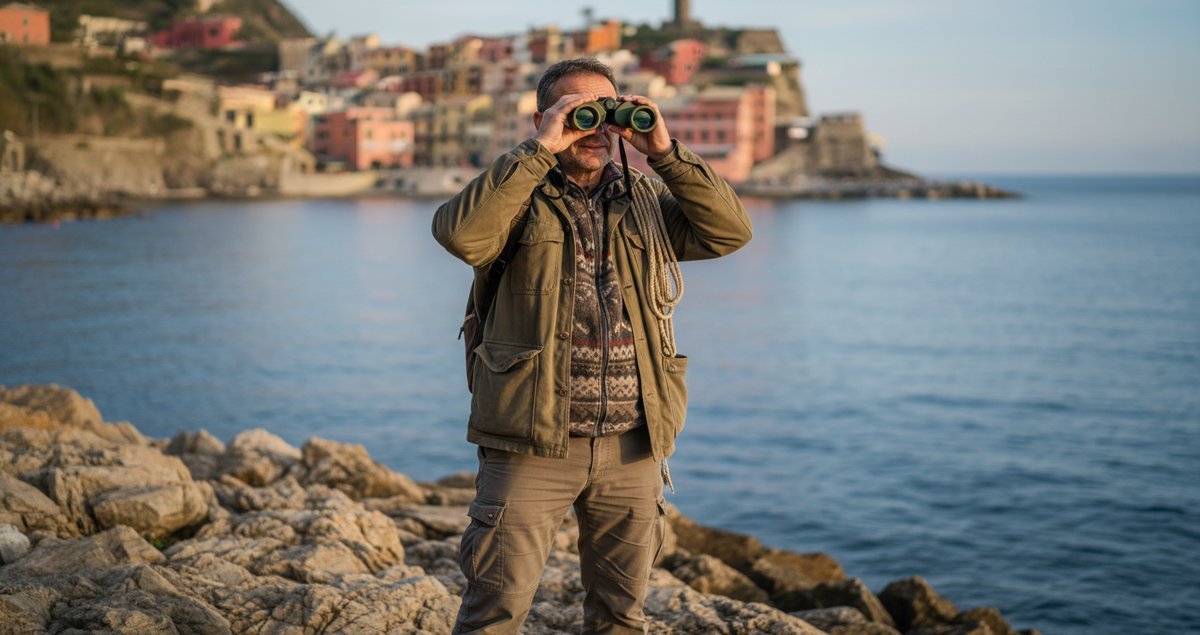
There is a peculiar, slightly embarrassing truth about volunteering to monitor seals. You do not need a PhD to matter. You do not need perfect eyesight or a lifetime of fieldwork. A pair of cheap binoculars a little patience and a willingness to learn are enough to make you part of something larger than your weekend plans. This article is an invitation and a small argument. I will argue that seal monitoring is one of the most accessible and surprisingly consequential ways to step into citizen science and not be bored to death while doing it.
Why the job sounds smaller than it is
When I first told people I volunteered to count and watch seals they pictured two very different scenes. Some imagined an academic in waders drawing charts. Others pictured a beach selfie with a sleepy animal behind a rope. Both images miss the practical truth: you stand on the margin of the ocean and you notice. That noticing accumulates. From shorelines across regions those notes and photos feed databases researchers simply cannot scale alone.
There is also a stubborn myth that monitoring equals expertise. The truth is messier and better. Protocols are simple by design. They teach you how to count how to record disturbances and how to photograph for identification. The rigor is in repetition not in mystery. It is watching at the same place again and again and learning to see patterns that a one time tourist never will.
Not glamorous work
The work can be cold and monotonous. You will stand next to a rusting fence on February mornings and you will curse under your breath at wind that cuts through layers. But then a pup lifts its head and the day snaps into focus. That contrast is part of why volunteers stick around: the reward is immediate and quiet, not a rush of applause but a file line of numbers that matter.
The surprising leverage of ordinary people
There are moments when the world’s best scientists simply cannot be everywhere. Agencies and hospitals depend on public eyes. That is not flattering to ego but it is an honest, powerful system: distributed attention extends what institutions can do. In Hawaii for instance volunteers and public reports helped reveal otherwise unnoticed reproduction events among monk seals. Those observations changed how biologists understood population dynamics over whole islands.
Sometimes seals don’t clearly show signs that they’re sick or healthy. It’s our job to carefully assess each individual seal consider what’s normal behavior and body condition for that seal compare that to their past medical history and what care we might be able to provide them to make the best decision possible for each seal.
Dr Sophie Whoriskey Hawaiian Monk Seal Conservation Veterinarian The Marine Mammal Center
That quote is not bureaucratic fluff. It frames a key point: volunteers give agencies context. A single report from an attentive volunteer can trigger a follow up that saves a life. The role is not to play scientist but to be an informed witness.
Why agencies trust volunteers
Organizations invest time in training because data quality matters. They know which observations are useful and they teach volunteers to record them reliably. That training is not intimidating. Often it is straightforward, friendly and focused on safety for both volunteers and animals. The trust is earned through clear procedures not through diplomas on the wall.
What you actually do on a survey day
Arrive early. Layer up. Walk to a prearranged vantage point and set up a scope or binoculars. Record the number of seals note any unusual behavior log disturbances like dogs boats or people getting too close. If you are lucky you will photograph individuals and sometimes those images help identify the same animal months later. Occasionally you will spend long stretches doing nothing but being patient which is remarkably clarifying in a world that values constant motion.
There is a rhythm to the repetition. At first it feels like data entry. Then it becomes a kind of slow learning. You begin to recognize personalities in seals. Yes personalities. One teen male that always yawns in a way that looks like an insult. A pregnant female who tolerates gulls and chooses a particular rock. These tiny details become useful to scientists who track site fidelity reproduction and disturbance responses.
Not just numbers but narratives
Numbers alone are cold. Adding photographs time stamps and notes about context turns numbers into narratives. Scientists will appreciate a consistent chain of notes that says here is where these animals haul out at this tide level and these are the disturbances they face. Volunteers create those chains. You are a connector between raw observation and research question.
What volunteering changes about you
There is a small but stubborn transformation that happens after a season of surveys. You start rejecting easy assumptions about human dominance along the coast. You grow better at waiting. You learn that being useful sometimes means showing up when the weather is terrible and your friends are indoors. You become a person who notices the side effects of our presence: a trail of trash at the high tide line the marks of a dog that tore up a haul out and people ignoring safe distances. That noticing can be irritating and also a teacher.
We are grateful to those who called our hotline to report RH38’s abnormal behavior and our partners at DLNR and the Center for a collaborative effort to help assess rescue and provide care for RH38.
Diana Kramer Regional Stranding Coordinator NOAA Pacific Islands Regional Office
That is the practical payoff. Reports do not float in a vacuum. They trigger teams and responses that save animals and refine management. The position of the volunteer is not heroic in a movie sense. It is crucial in a real and sometimes fragile system.
Honest obstacles and what to expect
Commitment matters. Programs ask for regular attendance and consistency because continuity is the unit of value. Training sessions may be scheduled in winter surveys can demand long field days and sites may be uncomfortable or remote. Expect to learn jargon and follow strict guidelines about approaching animals. Also expect to be asked to adapt: not all monitoring is glamorous and not all seasons are busy with seals. Many days will teach the art of waiting.
Access and inclusion
Some programs are working to reduce barriers. They provide accessible viewing points or shorter shifts and they welcome volunteers from diverse backgrounds. If you worry you will be turned away because you are not a scientist you will likely be surprised. Programs need people with organizational skills background in communication photography local knowledge and compassion. Technical skills help but are rarely decisive.
A few hard opinions
Do not join a seal monitoring program to post cute photos. Do not treat it as a social media prop. If you show up more for the image than the data you will be a nuisance not an ally. Conversely if you are motivated by curiosity care and a willingness to commit you will find the work unexpectedly satisfying in a way few volunteer gigs are. It is not an Olympic sport of virtue but it is meaningful work that can change policy if done well.
If you want to create real impact do the small boring stuff consistently. That is where research changes. Big dramatic rescues happen and they are newsworthy but the slow patient accumulation of clean consistent shore based surveys is the reproductive tissue of long term research.
How to get started
Search for local organizations or national centers that coordinate citizen science. Expect to complete a training session and to be paired with a mentor for initial surveys. Bring curiosity bring a notebook and bring patience. Dress for weather and learn to love the hum of waves. If you want true influence be dependable. Your presence in the dataset is the gift.
It is worth saying plainly: some people will find this work unglamorous. Good. Scientific progress is often built on the unglamorous. If you want an easy confidence boost and a glossy image then this is not the place. If you want to be quietly useful and to know your notes will sometimes produce real outcomes then show up.
Closing note
Volunteering to monitor seals is an exercise in meaningful proximity. No PhD is required only attention and endurance. You become a kind of guardian not through dramatic intervention but through the persistence of observation. That persistence matters more than a single heroic act. If you decide to try it you will find parts of yourself that enjoy the work and parts that resist it. Both reactions are legitimate and both are useful.
Summary
Seal monitoring is accessible rigorous and impactful. It relies on repeated observation not advanced credentials. Programs train volunteers and depend on their consistency. Reports from the public have directly led to rescue assessment and improved understanding of seal populations. The work rewards patience and changes how you view coasts and human impact. If you are ready to commit to the long slow accumulation of useful observation this is one of the most honest ways to contribute to real research.
| Key idea | What it means |
|---|---|
| Low barrier to entry | Protocols and training make participation possible without advanced degrees. |
| High cumulative value | Repeated observations across volunteers produce datasets researchers cannot otherwise get. |
| Not glamorous | Work is often cold and routine but sometimes lifesaving and policy relevant. |
| Agencies rely on reports | Public sightings and volunteer data can trigger interventions and change scientific understanding. |
| Commitment matters | Consistency and following protocols are the true currency of impact. |
FAQ
How long will it take to train and become useful?
Most programs run a single training session often followed by a mentored field day. After one season you will be reliably useful. Expect to attend an initial classroom style session learn the basic protocol practice in the field with an experienced volunteer and then sign up for regular survey days. The exact timeline depends on the organization but the entry cost in time is small relative to the long term value of consistent participation.
Do I need special gear?
Basic gear includes binoculars appropriate for shore observation a notebook or digital device for recording and weather appropriate clothing. Some programs provide scopes or loan equipment. A reasonable camera or phone for photographs is often highly useful. The priority is consistent clear records not expensive gadgets.
Will I ever be asked to rescue or touch animals?
Typically no. Volunteers are trained to observe and report. Rescue operations are coordinated by trained response teams and professionals. Your role as a volunteer is to provide timely and accurate information and to help educate the public about safe distances and respectful viewing. If you see an animal in obvious distress you will be instructed how to contact authorities rather than intervene yourself.
Can anyone volunteer or are there restrictions?
Many programs welcome a wide range of volunteers but may have minimum age limits or require parental consent for minors. Physical ability to reach observation points is a practical concern at some sites while other sites offer accessible viewing. Programs are increasingly trying to reduce barriers and welcome people with diverse skills beyond field observation such as data entry communication and community outreach.
How does my data get used?
Your observations are entered into databases that are used for population counts disturbance assessments and sometimes for photo identification studies. Researchers and agencies analyze trends over time to inform management decisions and to trigger responses when an animal shows signs of distress. A single reliable observation can change where resources are allocated that season.
