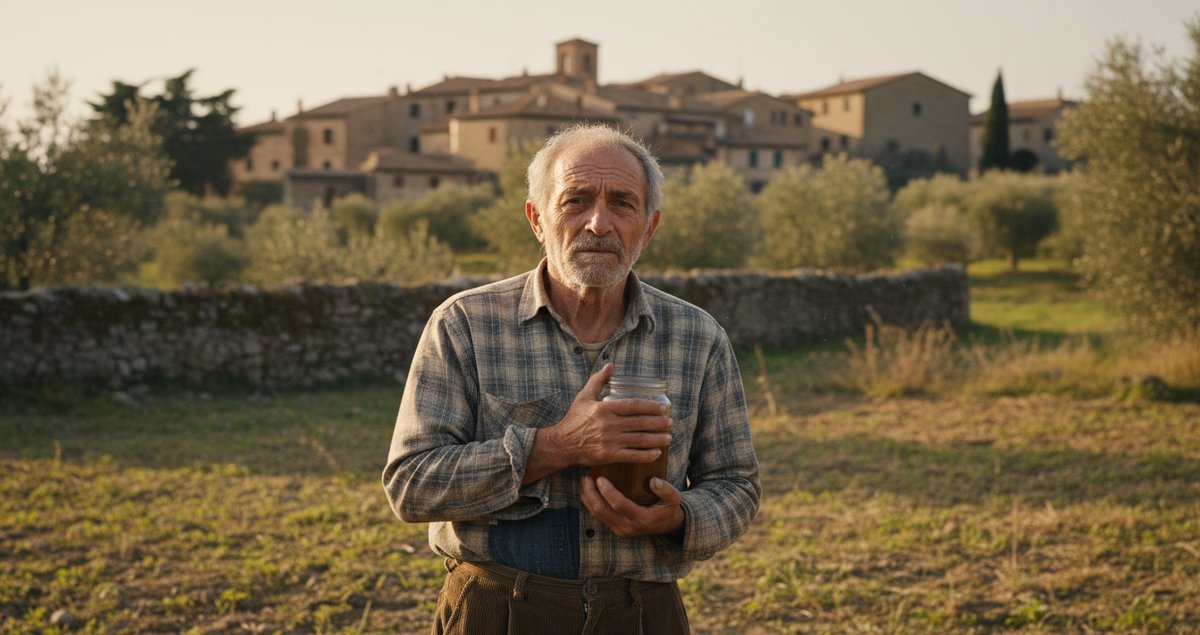
I watched the letter arrive with the same awful hush that falls over a kitchen when someone says a word you know will change everything. For an old man who rented his fallow field to a young beekeeper in return for jars of honey and a promise to keep hedgerows tidy, the letter was not about bees. It was about classifications, use classes, and a tax code that translates neighborliness into liability. This is a story of a tax crackdown that reads like a morality play but lands with the blunt force of audits, bills, and generational anger.
The small field and the big reclassification
It began quietly. A grandfather let a beekeeper put a few hives amid the hedge lines. The beekeeper tended the boxes, checked the fence, and handed over a jar of honey in autumn. No money changed hands. No business license was filed. The arrangement was practical not transactional: pollination, surveillance, companionship. Then a local assessor noticed the white boxes on satellite imagery. A form followed. The field that had been a neglected patch became, on paper, a contributor to commercial activity.
Why the law sees a business where the neighbors saw a favor
For tax officials the test is functional. If land helps produce an item that is later sold, the land’s status can change. That single move flips tax bits on a property that had been treated as pastoral inertia. The state’s classification system is blunt. It does not weigh intent. It tracks output. In practice that means your hedgerow can be reframed as a revenue enabler.
I don’t pretend this is an accidental misreading on the part of assessors. Many tax agencies are under pressure to broaden bases and close perceived loopholes. The result is a policy that does not punish generosity deliberately; it simply treats generosity as an economic fact. And the human consequences have a particular shape: elderly landowners alarmed by fees they cannot pay, young entrepreneurs startled by the sudden formalization of what they thought was a hobby, and communities split over whether the taxman or the neighbor is right.
Not an abstract dispute: lives rearranged
The grandfather’s son called me and laughed at first because laughter makes the stomach less raw. Then he said, I can’t believe they sent this. He is 78. He planted that hedge in the seventies. He never tightened a screw on a business. Now there is a backdated valuation, and a demand to pay more property tax next year. It is an old man forced to choose between paying for a legal appeal and fixing a leaky roof.
To the young beekeeper, this crackdown feels like an accusation of cleverness. Like the law assumes an intent that wasn’t there. He is building a microbusiness in the only way young people in these places can: small capital, lots of labor, and a community network. The tax letter read, in effect, as if the state thought he was a criminal mastermind rather than someone learning to keep bees.
A moment of policy thinking that rarely happens
When policy operates at scale it ignores nuance. But real people live in nuance. The legal test the authority applies—does the land enable income—sounds precise until you actually try to place an apiary inside it. Is a seasonal cluster of hives a permanent structure? Does the exchange of honey for goodwill count as a barter that collapses the difference between friend and vendor? Our fiscal system is precise enough to count beans and coarse enough to conflate a gift with revenue. That friction is where the harshest outcomes occur.
Experts on the record
Jon LaPorte Farm Business Management Educator Michigan State University Extension said I think record keeping and clarity of intent are the clearest defenses for small producers who worry about being reassessed.
That is not a grand new idea. It is, however, the practical advice that cuts against the grain of romance about neighborliness. The state will ask for paper. That is the sad compromise we now live within: kindness needs paperwork to survive the taxman.
Where the law is blind and where it sees too much
There are legitimate reasons to inspect and classify land uses. Agricultural exemptions can be abused. Permitted activities can drift into commercial scales. But there is also a class of question the law is poorly equipped to answer: when does small scale mutual aid become taxable activity? The legal tools available—written licences, grazing contracts, short licence deeds—are technical and available. But the moment those documents are required, a social practice becomes legalized, and something essential is lost.
To put it plainly I prefer a system that recognizes scale intent and context rather than raw output. That would protect quiet stewardship and small scale environmental work. Right now the law seems to prefer mechanical tests that can be applied through satellite imagery and field visits. They are efficient. They are indifferent. That indifference is what fuels the political heat.
Politics at the field edge
On one side there is an argument for fairness. If a parcel helps generate taxable income why should it be exempt? On the other side lies a very American intuition that local arrangements and neighborhood economies should be given space to exist without immediate fiscal capture. The clash is generational too. Older landowners often feel dispossessed by rules written with a different view of stewardship. Younger producers feel condescended to by institutions that expect them to either formalize or disappear.
What we are witnessing is not merely a tax tweak. It is a social recalibration. The law is effectively asking citizens whether small acts of cooperation are to be folded into the market or protected as social goods. How we answer that question will determine whether rural life becomes more transactional or remains partly communal.
My reading and my impatience
I am impatient with a system that forces a man into daylight with a letter he cannot parse. I am impatient with officials who defend a technical reclassification as if paperwork absolves moral consequence. But I am also impatient with rhetoric that romanticizes informal economies as if they are immune to the same problems that plague larger businesses: uneven enforcement, tax avoidance by the wealthy, and regulatory capture.
So where does that leave us? It leaves us with a few modest proposals and an insistence that law catch up with the texture of life. A simple one page licence signed by both parties describing purpose duration and lack of rent can preserve the moral meaning of the arrangement without upending tax fairness. Local assessors should have discretion to weigh intent and scale. Policy makers could add a de minimis allowance for non permanent low impact uses tied to environmental stewardship. Nothing radical. Nothing that tips the balance. But enough to prevent an old man’s kindness from becoming a debt sentence.
It ends with a jar of honey and an unanswered letter
I visited the field and the jar sat on a kitchen table like a small bright moon. The grandfather says he did not do anything clever. He simply thought the land should do some good. The young beekeeper stopped coming through the winter. The legal process moved slower than headlines but faster than recovery. The jar of honey is half empty now and neither man will be the same for it. The tax code has teeth but it also has a temperament. It can be calibrated. It can also be left to bite.
Summary table
| Issue | Why it matters | Practical fix |
|---|---|---|
| Reclassification of land | Turns informal use into taxable asset | One page licence describing purpose duration and lack of rent |
| Hobby versus business | Determines deductions and liability | Clear records and basic bookkeeping by hobbyists |
| Generational conflict | Old stewardship vs new microentrepreneurship | Local rules that weigh intent and scale |
| Administrative pressure | Assessors under targets may broaden bases | Guidance allowing discretionary local judgement |
FAQ
Is hosting beehives on private land always taxable?
Not always. The decision depends on scale permanence and whether the land is being used in a way that materially enables a third party to earn income. A casual seasonal placement of a couple of hives with no signage no sales from the gates and no infrastructure is less likely to be treated as commercial. But once the activity looks organized—many hives regular visitor traffic on site or sales conducted from the property—you are more likely to trigger reassessment. Documentation describing intent is your best preemptive move.
If I take jars of honey instead of rent does that count as income?
Possibly. Barter can be taxable. The tax authority can treat the fair market value of goods exchanged as income even if no cash was exchanged. Practically this means it is sensible to record the arrangement in writing and if necessary to declare small amounts of barter income when filing taxes. That said many small exchanges remain below administrative thresholds but relying on that as a strategy is risky.
What paperwork protects me and my neighbor?
A dated one page licence or short memorandum of understanding listing the parties the number of hives purpose duration and a statement that no rent is paid goes a long way. Photographs yearly logs and any correspondence about the arrangement create a paper trail that tells the story you want an assessor to see. If you are unsure consult a local rural solicitor or agricultural extension agent before the letter arrives.
Should a beekeeper formalize as a business to avoid problems?
Formalizing has pros and cons. It can legitimize the enterprise allow access to deductions and equipment write offs and clarify liability. But it also invites scrutiny and obligations. Young beekeepers should weigh revenue scale cost and long term goals. Often starting with clear record keeping and a basic licence is enough while you decide if scaling up justifies full business registration.
Where can I get authoritative guidance?
Local university extension services agricultural advisers and tax professionals familiar with rural property rules are the best immediate resources. They know regional rules and typical thresholds and can often suggest simple paperwork that avoids escalation without heavy legal fees.
If you want the real letter templates or a walkthrough for your state I can draft a short licence and a checklist that will fit into a kitchen drawer. Tell me the state and a rough description of the set up and I will draft something you can sign today.
