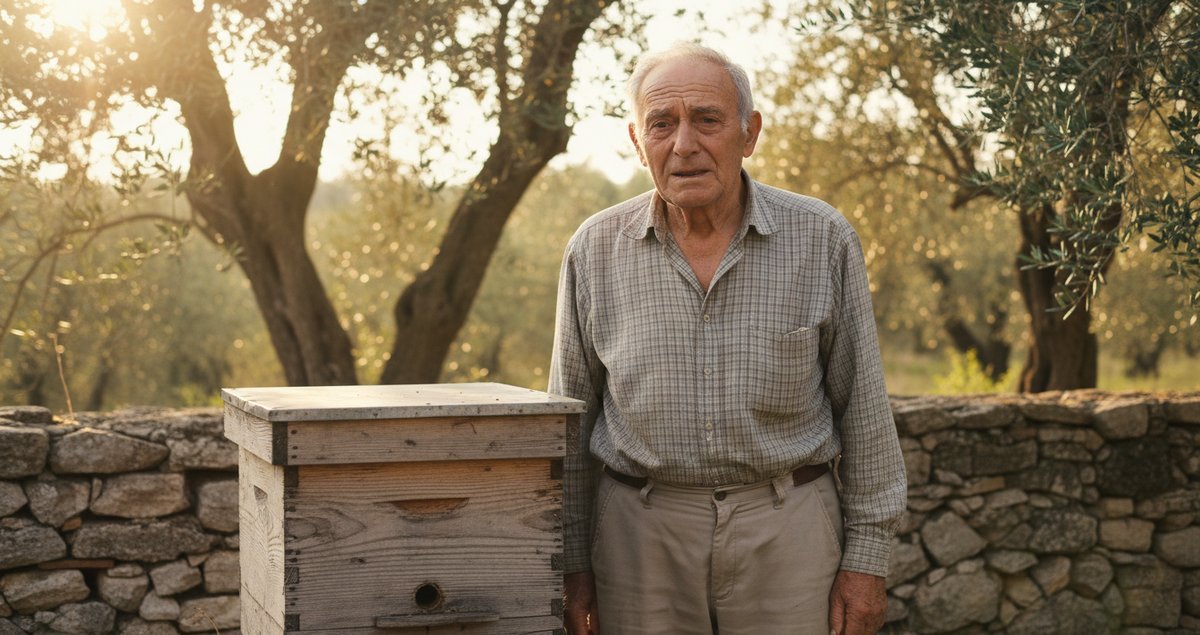
There is a particular kind of quiet that follows a handshake gone wrong. It is the kind of silence that sits on a hedgerow and waits, not with malice but with the stubborn patience of a thing that knows it will be vindicated by paperwork. The story I want to tell begins with a strip of rented land, a retired man who wanted to do a small good, and a beekeeper who trusted his neighbor enough to put hives at the edge of an orchard. It ends with county forms and sentences about assessed values that taste of vinegar.
How a Favor Became a Filing
The retiree was not a villain. He was exacting, earnest, and convinced that lending land to someone who knew bees was neighborhood stewardship. He expected gratitude and a couple of jars of honey. What he got instead was a parcel on the tax assessor’s radar and a friendship complicated by assumptions about intent.
Here is what usually happens in small rural communities. One neighbor does another a favor. A favor ripples outward and stumbles into municipal categories that were written by people who never worried whether a hive counted as agricultural use or as an accessory structure. The county assessor, untethered from the neighborhood story, simply sees a change in use or a new structure and asks the tax code to speak. And taxes always speak louder than apologies.
A practical slip that smelled like honey
The beekeeper did everything by the book. He moved his equipment and set up a modest apiary on the lent land with the retiree s permission. The retiree imagined bees and blossoms and the humane idea that he was helping pollinators. The beekeeper imagined seasonal revenue and a place to park his boxes that was out of the way.
Neither imagined an audit. Neither imagined that a single line on a property card would flip the narrative from neighborly favor to taxable enterprise. The assessor does not care whether you intended to be commercial. The assessor cares about criteria. Did this parcel now produce income? Is it being used in a way that meets agricultural exemptions? If someone reports income from honey sales even once, the county files another form. The web of regulation tightens and the friend who lent the land is suddenly asked for signatures and affidavits.
Why small favors become municipal headaches
There is a mismatch between how communities operate and how municipal bureaucracy reads the world. The human story is messy and contextual. The bureaucratic story is categorical and neat. When a judge or a tax officer has to decide, tidy categories win. That is not to say that assessors are malicious. They are doing statistical work on spreadsheets where every oddity is a potential precedent.
Experts who study pollination and land use often point out that bees do not respect property lines. They also point out that policies meant to protect wildlife or reward agricultural practice often use blunt instruments. In the case of bees and lent land the blunt instrument is assessment law. What matters is whether a parcel is deemed to contribute to an agricultural enterprise rather than being part of a hobby or private garden.
My top three reasons for bee colony death are Varroa mites Varroa mites and Varroa mites.
Dr Jeffrey W Harris Associate Extension Research Professor Mississippi State University.
The quote above comes from a long running extension conversation about beekeeping and should not be read as an explanation of the tax issue. It is included because it is true that beekeeping has specialist knowledge and institutional voices and that these voices shape local policy conversations in unexpected ways.
Friendship is a fragile title
Talk to anyone who has mediated a rural dispute and they will tell you that relationships erode not by dramatic betrayals but by accumulated administrative friction. Asking a neighbor to sign a form is where gratitude starts to feel like obligation. You can apologize. You can bake bread. But signatures on legal forms have a heavier currency than most neighborly good will.
One of the curious things about this tale is how quickly roles morph. The retiree who lent a field becomes a defendant in a zoning conversation. The beekeeper becomes the person who brought commerce into a quiet place. The county planner becomes an arbiter whose decisions are interpreted as moral pronouncements, though that was never their job. The result is that a relationship that could have been strengthened by cooperative labor instead frays under the pressure of classification.
Policy by accident
Local governments did not intend to create a chemistry of ruined friendships. They intended to levy fair taxes and to ensure that land uses were transparent. But policy is rarely neutral in practice. It sorts people into bodies that are visible to the state and those that remain invisible. A retiree s informal generosity is visible now. The beehives act as a kind of evidence. Evidence can be exculpatory or damning depending on the receiver.
It is worth noting that there are options. Municipalities can create clearer guidance for ephemeral agricultural use. Assessors can adopt a common sense threshold that distinguishes a lifetime hobby from a commercial venture. But that requires moral imagination and administrative bandwidth. It requires people to translate the messy lived experience of a neighborhood into forms and checklists that do not annihilate context.
What the rest of the town thinks
Rumor breeds. Some neighbors whisper that the retiree is greedy and the beekeeper should have known better. Others feel sympathy for the beekeeper and imagine him as an itinerant steward of pollinators. What rarely gets attention is the fact that the county code has created these roles. If we want fewer broken friendships we have to be willing to reform the incentives that turn favors into liabilities.
There is also an emotional ledger. People tally more than taxes. They tally confidence, trust, and the willingness to ask for help again. When a favor produces a tax assessment those emotional assets deplete faster than anyone files an appeal.
A small plan with bigger consequences
There are practical moves that are underutilized. A written agreement signed before the bees arrive is not romantic but it is preventive. Keep it simple. State clearly that the use is temporary and that no revenue will be reported from the land itself if that is true. Notify the assessor proactively and provide photographs that show the scale. But also recognize that this is still work that asks elderly people to navigate forms they did not anticipate filling. And it asks beekeepers who are often busy in seasonal cycles to become amateur lawyers.
If reform feels distant, at least let us diminish harm. Municipal offices should publish plain language guides for micro enterprises and arranged uses. Agricultural extensions can host clinics where neighbors learn how to document informal partnerships. Those steps cost less than the social capital lost when a friendship collapses under the weight of a form.
Open endings and messy repair
I do not have a tidy conclusion. The retiree and the beekeeper in my story did not reconcile with a public gesture. What happened was quieter. They sat on a porch. They traded stories about storms and winter feed. Then they did paperwork together. It was awkward. It was not cinematic. It worked enough. Sometimes repair is not a great gesture but a sequence of small technical acts accompanied by humility.
If you live in a place where neighbors still ask to borrow, keep in mind that the cost of generosity is sometimes measured in forms. That is an unromantic truth but it is one that helps you strategize before a good deed becomes someone s audit. The small kindnesses that sustain community deserve a little legal imagination and a dash of preemptive paperwork.
Summary Table
| Issue | How it manifests | Practical fix |
|---|---|---|
| Lending land for beekeeping | Beekeeper sets up hives on a neighbor s parcel and seasonal activity changes property use | Draft a simple temporary use agreement and notify the assessor |
| Tax assessment triggers | Assessor interprets activity as income producing or structural change | Collect photos receipts and documented non commercial intent and file proactively |
| Relationship strain | Requests for signatures and affidavits create friction | Address administrative tasks together and set expectations in advance |
| Policy gap | Local codes are blunt and do not distinguish microenterprise from hobby | Advocate for plain language guidance and extension clinic support |
FAQ
Does lending land for beekeeping automatically change tax status
No not automatically. Whether tax status changes depends on local assessment rules and whether the activity meets the municipality s criteria for agricultural use or for commercial production. Informing the assessor and documenting the temporary nature of the arrangement often prevents automatic reassessment. The key is communication and evidence of scale and intent.
What kind of documentation helps if an assessor asks questions
Photographs that show the scale of the apiary dated before the first seasonal move are useful. A short written agreement signed by both parties that states the arrangement is temporary and non commercial can be persuasive. If any income is actually earned from the land then that changes the calculus and may require different filings. Keep receipts organized and be transparent with local offices.
Can small scale beekeeping qualify for agricultural exemptions
Sometimes yes. Many counties have thresholds regarding expected revenue or acreage or continuity of use. Micro operations that do not generate reported income may still be recognized as agricultural if they fit local definitions. Because these rules vary widely consult county guidance or your local extension office before assuming an exemption applies.
How can neighbors avoid ruining friendships over informal favors
Talk openly before a favor turns into a burden. Agree to who handles paperwork and who notifies authorities. Put the basic terms of the favor in writing even if the document is a single page. If a dispute arises approach mediation early and bring the assessor s office into the conversation if necessary. Transparency reduces the space where assumptions fester.
Who can I contact for practical help with beekeeping land use and taxes
Local cooperative extension offices are a good starting point. They can explain common local thresholds and may run clinics. County assessor offices can provide specific guidance on what will trigger a reassessment. If things escalate a consultation with a land use attorney or tax adviser who understands agricultural exemptions may be necessary.
