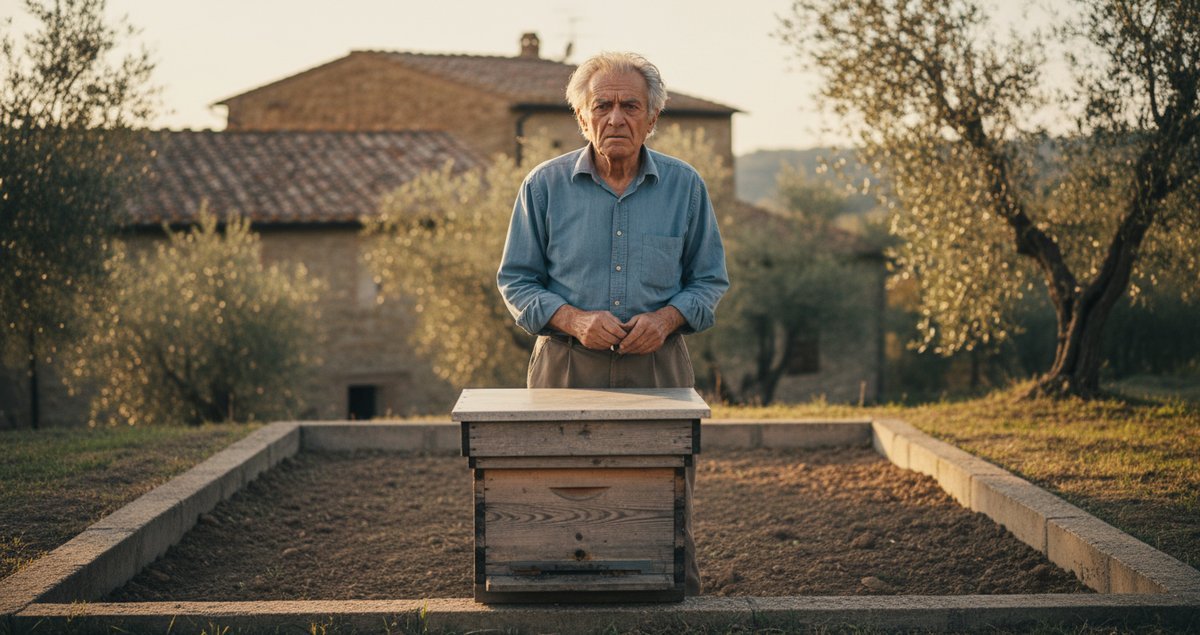
I watched a small, polite phone call collapse into a legal packet of notices and a tax bill that read like a small verdict. That is the short version of what happened to one retiree who let a beekeeper place hives on his unused parcel and woke up months later as the legal holder of an agricultural classification. I want to make something clear from the outset. This is not a story about bees. It is a story about how systems nudge ordinary acts into taxable categories and then leave people alone to untangle the mess.
How a favour turned into a formal reclassification
He had a plot of grass someone else drove across to check honey supers once every couple of weeks. No rent. No contract. A handshake. The kind of thing that makes neighborhoods friendlier for exactly one Thursday in spring and quietly disappears into routine.
Then the assessor sent a form. Postmarked. Serious. The county had reclassified the land because it hosted honey bee hives. Under the letterhead logic the parcel was now in agricultural use, and that change carries a new tax burden and procedural obligations the retiree had not asked for and did not understand.
Not all jurisdictions treat hives the same way
Some places treat bees as agriculture and some do not. Texas offers a vivid example of the policy on one end of the spectrum. Entomologist Molly Keck of the Texas A&M AgriLife Extension Service described how a law passed in 2012 made beekeeping a qualifying activity for special land valuation. Keck said that interest in beekeeping “really kind of exploded” after the statute changed, because landowners wanted the tax break and commercial beekeepers wanted places to put their hives. That is a useful fact when thinking about incentives. It explains why you might suddenly see hives in unlikely yards.
“This has changed everything from a business perspective because now we have people calling us all the time like Hey want to put bees on our land.” Molly Keck Entomologist Texas A M AgriLife Extension Service.
And Juliana Rangel a Texas A&M apiculture professor warned that the tax break created side effects like an influx of novice beekeepers and pressures on carrying capacity for forage. Those are not abstract problems. They are consequences of policy choices and the people who live next to them feel them as gossip and as bills.
“It has definitely increased the number of interested parties in keeping bees potentially not for the right reasons.” Juliana Rangel Apiculture Professor Texas A M University.
Why the retiree says he earns nothing
The calculus in his head was simple. If you do not receive a cut of the honey you do not earn anything. The tax office reads a different sentence. Property based classifications focus on use not on income. That mismatch is where ordinary generosity becomes taxable exposure.
I do not buy the automatic moral high ground of the landowner in every case. There is a civic seam here. If hives benefit local fruit trees and commercial orchards nearby they are delivering an externality. But a generous act and a taxable use are not the same thing. The policy instrument treats them the same. That is the problem.
Neighbors and social pressure
What surprised me about talking to people who have been through this is how quickly social feeling turns sour. Neighbors who once praised the help now ask why the landowner did not demand a formal agreement. Accusations of selfishness land as if the retiree had hidden profit. Online comment threads sharpen this into moral condemnation. In some ways that is worse than the tax bill. Shame compounds the financial worry.
There is a deeper cultural tension at play. Many people host environmental gestures as private acts of conscience. The law does not always see gestures. It sees activity it can label and tax. People who do not act like businesses can nevertheless be swept into administrative categories created for very different reasons.
Practical reality check not offered by cheerful blogs
Advice columns will tell you to draw up a contract. That is sensible. It is also incomplete. The real work is semiotic. If you sign a document that says you are allowing hive placement in exchange for pollination services you might have made the job worse. If you instead sign a document that clarifies that the beekeeper is the operator and that no rental or income flows to the owner that might help. It depends on local tax law and how assessors interpret evidence.
I watched an assessor tell a homeowner that the absence of a written lease made the owner the default agricultural operator on paper. That was humiliating and avoidable. But it also shows the limits of simple templates. Legal and tax consequences are local affairs. What protects someone in one county will not help in the next.
An inconvenient truth about goodwill
Goodwill is fragile. A handshake does not translate well into municipal code. My view on this is not neutral. If you give space to a businesslike activity without protections you are assuming risk that taxes you did not bargain for. I find it somewhat reckless to rely solely on neighborly faith when state machinery is perfectly willing to translate activity into tax categories.
That said there is a human cost to aggressive enforcement. A retiree living on a fixed income often cannot absorb a sudden reclassification without rearranging savings. Public policy that treats informal ecological acts as taxable events should at least offer clear notice and easy appeal pathways.
What to do if this happens to you
Document the arrangement. Ask the beekeeper to put their business address on records and to sign a declaration that they are the agricultural operator. Request written guidance from your local assessor and keep it. If you are assessed appeal. If the issue escalates you will want an advocate versed in property classification not just a sympathetic friend.
I am opinionated here. It is not enough to tell people to be cautious. Local tax authorities must also make rules transparent and accessible. Otherwise the burden of navigating ambiguity falls disproportionately on those least equipped to bear it.
Open questions I still think about
Should small acts of environmental stewardship be incentivized at all if they impose hidden costs on others. Who bears administrative responsibility when private land hosts quasi commercial operations. How do we preserve neighborly generosity without allowing it to become a loophole for tax avoidance. I do not pretend to have definitive answers. I do want more public debate before the next retiree gets a notice in the mail.
Summary table
| Issue | Key point |
|---|---|
| Trigger | Placing hives on private land can prompt agricultural reclassification. |
| Owner perspective | Often no income is received yet legal liability may attach. |
| Beekeeper perspective | Commercial beekeepers gain access to sites and business benefits. |
| Policy gap | Jurisdictions vary widely and assessors interpret use differently. |
| Practical step | Get written agreements declare operator status and contact assessor in writing. |
FAQ
Can a landowner be forced to pay agricultural tax if someone else runs hives on their land
Yes in many jurisdictions property classification depends on use not on who receives income. If assessors determine the land is principally used for agricultural production they can reclassify the parcel and the owner is the party that receives the tax bill. The exact rules vary by county and state so it is critical to obtain written clarification from your local assessor.
Should I write a lease with a beekeeper
Often a clearly worded written agreement helps because it establishes the beekeeper as the operator. But a lease that suggests payment or rent could be read as proof of profitable agricultural use which may actually strengthen an assessor s case. Language matters. Consult local guidance or a property attorney before signing a template found online.
What evidence helps during an appeal
Documentation that shows the beekeeper s business address sales channels and primary operational base helps. Photographs installation dates and signed statements that the beekeeper is the operator and that no income flows to the landowner can be persuasive. A prompt written inquiry to the assessor and their written response is also useful evidence.
Do policy reforms exist to protect hosts acting in good faith
Some places have clarifying statutes or guidance on how temporary or incidental placements are treated. Other jurisdictions have specific thresholds such as minimum acreage or hive numbers. Advocates argue for clearer notice and easier administrative remedies to protect small landowners who host environmental stewardship projects without intending to become businesses.
Who can I contact for help
Start with your county assessor s office then a local legal aid clinic or a property tax advocate. Agricultural extension services often provide plain language explanations about how beekeeping interacts with local valuation programs and can help you navigate evidence and documentation requirements.
There are no perfect answers here. There are only choices and consequences. When kindness meets a ledger the ledger usually wins unless someone draws a line in writing.
