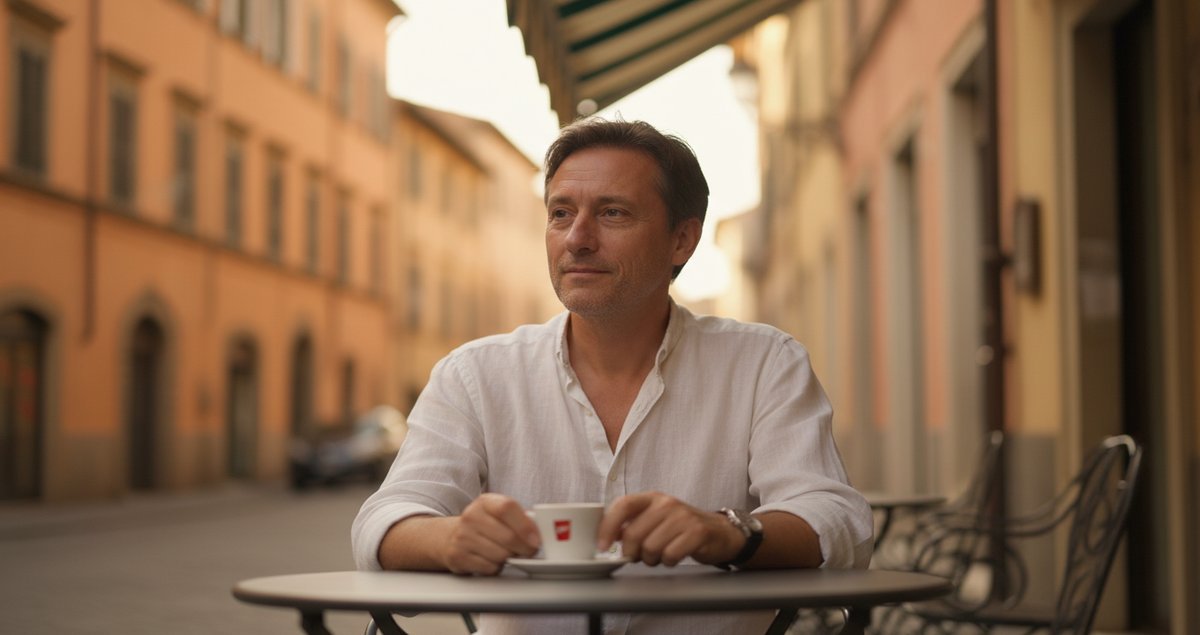
I used to treat pressure like oxygen. It came into my life and I inhaled more than I could process. That feeling of constant forward motion was not noble or efficient. It was a habit. This is a report from the slow lane written by someone who resisted it for years and finally surrendered to a quieter pace. The change was not cinematic. It was small. It was stubborn. And it refused to line up with the tidy promises you see on wellness feeds.
Why slowing down feels like failure
At first I thought reducing the speed of my days would make me less valuable. I measured worth by output and by how loudly others noticed the output. I learned to confuse urgency with importance. Slowing down felt like stepping off a conveyor belt before my number reached the end, and for a while that idea terrified me.
The pressure economy
There is a subterranean market for pressure. Employers reward immediate responsiveness. Peer groups celebrate busyness as a badge. Even friends text faster to show they care. Pressure turned into currency. I kept spending without checking the account balance.
What happened when I actually slowed down
I started by doing one mundane thing differently. I changed my timelines. Before this shift, I would estimate how long something would take and then sprint to meet the estimate. I learned to add time not to be lazy but to be honest. It was a tiny structural change that altered how I treated every task that followed.
just slowing down even the timelines you come up with for yourself on how long things are gonna take. add 25 to 50 percent more time.
That quote from Cal Newport sharpened what I was fumbling toward. Slowing was not a moral surrender. It was a constraint that forced clarity. When I gave myself more time I had to decide what mattered enough to fill it.
First weird effect: decisions became less dramatic
When you are moving at top speed every choice feels high stakes. Slowing down deflated the drama. A yes or no became data instead of destiny. My inbox stopped feeling like a tribunal. Work that had once been urgent often contained enough slack to breathe. This didn’t make everything easy. It made my reactions calibrated instead of combustive.
Second effect: a different kind of attention
Slowing made room for a curiosity I had mislaid. Instead of sprinting to the next deliverable I began to observe the shape of the work itself. I noticed recurring bad assumptions, the places where effort multiplied for little return. I could ask better questions instead of defaulting to more noise. That was the honest surprise: slowing down revealed inefficiency hiding behind busyness.
Not a prescription but an experiment
I want to be clear: this is not advice dressed as a universal truth. I’m not claiming that slowing down fixes every problem. There are contexts—medical emergencies, critical launches, moments of real risk—where speed is necessary and noble. The point is that I discovered a practical zone where speed had become a habit rather than a strategy.
In that zone slowing down required two moves. First I negotiated deadlines with myself and with others more honestly. Second I learned to tolerate the uncomfortable sensations that appear when your life stops vibrating at breakneck frequency. The uncomfortable bit is under- talked about. It is not restful. It is noisy and messy and full of feelings you postponed. But those feelings contained information.
The social backlash and how I handled it
When I started replying slower, the expected reactions arrived. People confused my calm with negligence. Some shrugged. Some applauded. A few asked whether I was burned out. I did not want burnout as a diagnosis. I wanted a sustainable rhythm. So I started explaining less and modeling more.
Sometimes culture pushes back because it is built on the idea that visible busyness equals value. You can talk around this or you can change it quietly by doing better work less often. That’s not a tidy slogan. It is a stubborn, slow bargaining process with colleagues and clients and with yourself.
What slowed time taught me about ambition
Ambition looks different when you are not chasing the next badge. It becomes a matter of depth. If I am honest, slowing down forced a redefinition of achievement. I stopped collecting micro wins. I started finishing fewer projects but with more attention. The tradeoff was frightening and strangely liberating. You give up volume and gain texture. Texture is harder to monetize but easier to live with.
Unexpected collateral: better language
Speed made my speech sharp and bland. Slowing made it messier but more precise. I started writing sentences that lived longer on the page. I had fewer slogans and more attempts at truth. My perception sharpened enough to notice when I was repeating the same tired justifications. And when I caught myself repeating them I interrupted the pattern.
A personal, non heroic moment
There was a small afternoon when I chose not to take a call. I sat with a broken mug and watched sunlight track dust across my desk. For years that would have triggered guilt. Later that day, work moved forward without catastrophe. That was not thrilling. It was mundane evidence that everything I feared would happen if I stopped did not, in fact, happen.
Why you might resist this and still be right
If you are embedded in a role where immediate responsiveness is literally part of the job you will not decelerate without careful design. Slowing is not a one size fits all option. It is a strategic choice that must be negotiated with reality. I slowed and then adjusted, not the other way around.
There were costs. I missed some social momentum. I lost the fast applause of being busy. But those were offset by work that lasted and relationships that deepened because I could be present in them when I was there.
Final odd note
I found that slow days are not evenly spaced. They come in clusters and then vanish. You cannot schedule a sense of ease like a meeting. You cultivate conditions where it is likely to emerge. That is frustrating and oddly relieving. It keeps the whole experiment humble.
To slow down is not to stop. It is to choose the curve along which you move. For me the curve has fewer peaks. The skyline is quieter and the air, strangely, feels less like currency and more like a resource.
Summary table
| Observation | What changed |
|---|---|
| Timelines | Added margin and reduced frantic rushes. |
| Decision making | Lower drama and clearer priorities. |
| Attention | From surface speed to deeper focus. |
| Social signals | Mixed reactions but steadier work quality. |
| Ambition | Shift from quantity to depth. |
FAQ
Will slowing down make me less productive?
Short term you may produce fewer outputs. Long term you can produce work that has more endurance. Slowing down changes where you allocate energy which often reduces low value busywork. This is not guaranteed. Context matters. It helps to clearly define what you consider meaningful output before you change pace.
How do I start if my job rewards immediate answers?
Begin with small experiments that create visible safety. Propose slightly longer timelines for a pilot project. Communicate what the extra time buys: fewer revisions, deeper thinking, better results. Keep the changes conservative and document outcomes so you can show the difference.
What if slowing down makes me face uncomfortable feelings?
That discomfort is part of the data. It indicates areas you have been avoiding. It can be helpful to pair slowing with short reflective practices that are pragmatic rather than therapeutic. Notice patterns not to diagnose yourself but to redirect energy. The process does not promise immediate peace but it gives you clearer information to act on.
How do I deal with people who interpret my slowdown as laziness?
Model the results. Let your work speak. When someone equates speed with value, ask what outcome they actually want and show how a modestly slower cadence delivers it. If that fails, reassess whether the role aligns with the rhythm you need to sustain your best work.
Will this change stick?
Changes in tempo are iterative. You will relapse into old speed. That is normal. The aim is not perfection but a better average. Over time those averages compound into tangible differences in quality of work and in how you feel about it.
