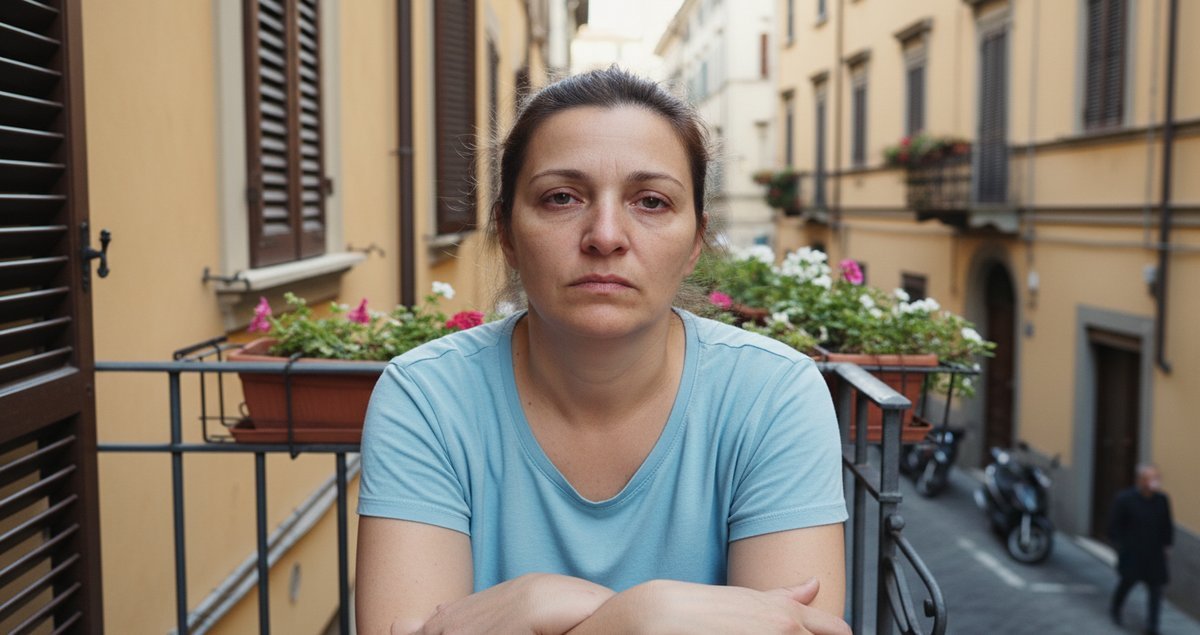
Most of us have had that confusing morning. You crawl out of bed after what looked like a generous sleep window and you feel defeated before coffee hits your tongue. There is a particular low grade misery to waking already tired. It is not always the obvious lack of hours. Sometimes the sleep was long and still the brain feels like it left half its battery in another room. I want to argue that this experience is less a fluke and more a predictable clash of biology social design and the foggy physics of waking.
What that first minute after the alarm really is
You do not simply flip from sleep to work. The brain passes through a transitional terrain researchers call sleep inertia. It is a measurable slump of cognition and alertness that can last minutes and sometimes hours. Imagine your neural circuits disagreeing about whether the day has started. The argument produces sluggishness attention errors and a strange softness in decision making. This is not moral failure. It is a biological aftereffect.
“The transition from sleep to wake is marked by sleep inertia a distinct state that is measurably different from wakefulness and manifests as performance impairments and sleepiness.” Lynn M Trotti Associate Sleep Medicine Fellowship Director Emory University School of Medicine.
Not just sleep debt
People reflexively point to sleep debt and they are often correct. But long sleep followed by grogginess can happen when debt interacts awkwardly with timing depth and the chemistry of the brain. Deep slow wave sleep is restorative but if you wake from it you can be swept into a heavier sleep inertia. So paradoxically a long night that shifted the deepest stages to the morning can make the wake feel worse not better.
Two silent thieves that steal morning energy
There are less discussed causes that show up again and again in clinic notes and restless kitchen table conversations. First is circadian misalignment. Your schedule social obligations and screens can push your slowest biological night to a time when your alarm is trying to pull you awake. Second is fragmented microarchitecture. Tiny awakenings breathing pauses or shifts between sleep stages create a mosaic of rest that looks long on paper but shallow on experience.
Both forces are sneaky. They do not scream insomnia. They nibble at sleep quality. When combined with modern life they make long in-bed time deceptive marketing for real rest.
A note that feels like a confession
I have woken curated and smug after nine hours feeling worse than after five. That personal annoyance is partly why I distrust simple slogans about sleep duration. There is a craftsmanship to sleep. It is not passive. I think of it as a domestic craft you practice poorly until you stop blaming outcomes on simple hour counts.
Why your morning subjective tiredness often disagrees with objective measures
Polysomnography can show normal numbers while you feel awful. Subjective sleepiness and measured sleep deficit diverge because perception of rest and the brain states that create restorative processes are different beasts. Adenosine chemistry circadian phase and stage distribution all sculpt how refreshed you feel. So the same 8 hours can be merciful to some brains and merciless to others.
“I think many people walk through their lives in an under slept state not realizing it.” Matthew Walker Professor of Neuroscience and Psychology University of California Berkeley.
One more stubborn factor personality
Some of us have chronotypes that make mornings feel like a foreign country. Society rewards early wakefulness and penalizes nocturnal rhythms. When your biology drifts against social timing the recovered night can become a confused flip of sleep stages that leaves you tired the next morning. This is a conflict of values not a flaw in your willpower.
Why advice feels like platitude and often fails
Tell someone to sleep more and you provoke a blank stare. Why? Because random sleep tips miss the architecture. If slow wave sleep piles into morning hours or you wake during a deep phase a longer night will still deliver grogginess. What most headlines do not say is that timing stage control and the shape of sleep matter more than raw minutes. That is an unpopular nuance because it forces the listener to think about schedules naps light exposure and work culture rather than swallowable rules.
A partial unpopular take
We are in denial when we assume better bedrooms will fix chronic morning fatigue. Good bedding helps but it will not resolve systemic mismatches. This is not to dismiss environment but to say the conversation must broaden. The problem sits at the crossroads of physiology social rhythm and cumulative stress. Politicians and workplaces prefer simple tips. People deserve a more honest map.
What to watch for in your own mornings
If you wake fatigued despite long sleep notice the timing of your deepest sleep whether you nap late in the day waking during the night and any substances close to bedtime. Also pay attention to how long the grogginess lasts. If it consistently extends beyond what feels like an hour then you are likely seeing more than ordinary sleep inertia; it may be an architecture or medical problem deserving deeper attention.
Where research still leaves room for mystery
We have good studies on sleep inertia and circadian effects but the individual variability remains stubborn. Why two people with nearly identical sleep profiles wake so differently is not fully mapped. Genetics chronotype and subtle neural network differences likely explain some of the variance but the precise links remain open. I prefer to hold that uncertainty rather than slap a tidy explanation on it. Sleep is a system not a slogan.
Summary table
| Issue | Why it matters | How it shows up |
|---|---|---|
| Sleep inertia | Transient cognitive slump after waking | Grogginess poor decision making for minutes to an hour |
| Circadian misalignment | Deep sleep shifted to morning hours | Long sleep that still leaves you unrefreshed |
| Fragmented microarchitecture | Rest looks long but is shallow | Frequent brief arousals poor sleep continuity |
| Chronic under sleep | Cumulative impact on brain chemistry | Persistent baseline tiredness despite a long recovery night |
FAQ
Why do I feel worse after sleeping in than after a normal night?
Sleeping in can shift the distribution of sleep stages so that you experience more slow wave sleep late in the sleep period. Waking from slow wave sleep tends to produce stronger sleep inertia which feels like feeling worse despite extra hours. The experience is common and not necessarily a sign you did something wrong. It points to timing and stage distribution more than a single variable.
Is long fragmented sleep the same as poor sleep quality?
Not always. Long fragmented sleep can turn into a deceptive record of rest. Quality implies continuity appropriate stage progression and restoration. Fragmentation breaks that continuity so the objective duration becomes less meaningful than the actual continuity and stage structure.
Can sleep inertia last for hours?
In many people sleep inertia fades within 15 to 30 minutes but in some cases especially when combined with prior sleep loss circadian low points or awakening from deep stages it can impair performance for longer periods. The variability is wide which is why subjective reports matter alongside measurements.
Are naps helpful or harmful for waking refreshed?
Naps are double edged. Short naps can boost alertness but longer naps that enter deep slow wave sleep can produce post nap grogginess. Timing matters. Interpret naps as a tool that needs practice rather than a simple fix.
When should someone consider a deeper evaluation?
Recurring mornings that feel persistently unrefreshing despite reasonable habits or grogginess that lasts many hours may suggest underlying sleep architecture problems or medical contributors. That pattern is a signal that the basic troubleshooting has not resolved the mismatch between perceived rest and objective sleep length.
There is no single heroic prescription here. The story of waking tired after a long night is about recognizing layers and habits and then choosing which layer to test next. Keep a curious skeptical stance and you will likely learn more about your mornings than any list of tips can teach.
