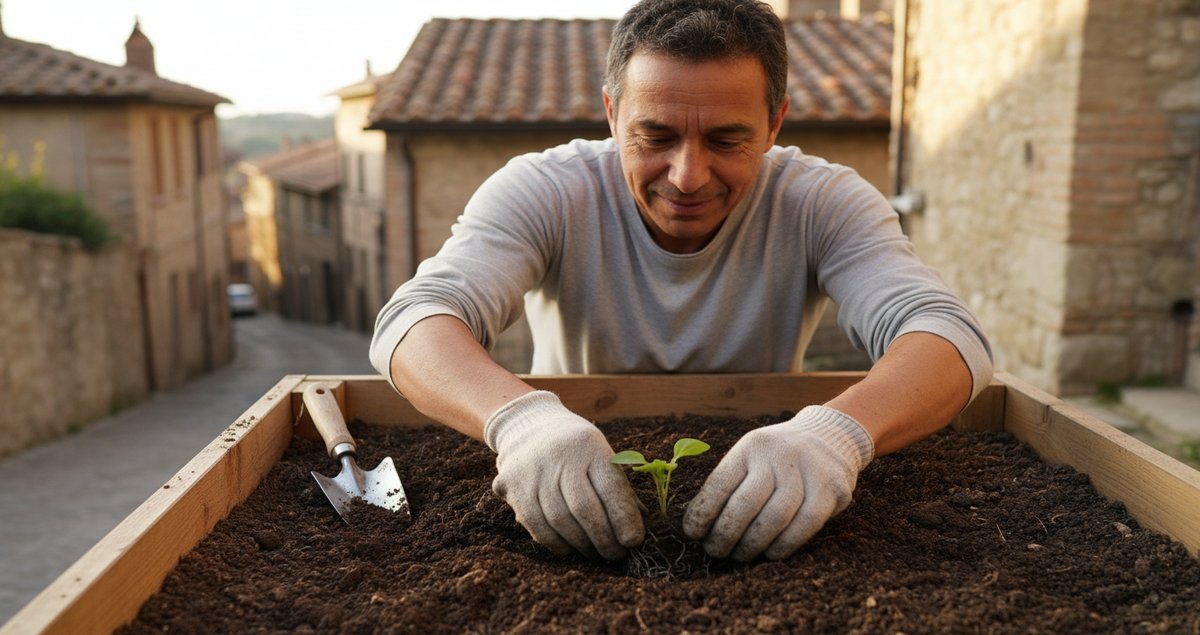
Planting distances feel like a dull technicality until you stand in a bed of sickly stunted plants and realize it is the difference between a tidy row and several weeks of regret. This article is about the geometry and the temperament of plants. It will push you past nursery tag rules and into practical judgment that actually works in the real messy garden.
Why spacing is not one size fits all
Every seed packet has a number. Those numbers are polite. They are meant to keep manufacturers safe and courts empty. But the real world is noisy. Soil fertility, the direction of prevailing wind, what you plan to do with a trellis next month, how much shade the fence throws in August all demand adjustments. Planting distances are not a strict measurement. They are a conversation with your plot.
The tension between yield and quality
I have stood in orchards where spacings were dropped a hair to squeeze an extra row and later watched fruits fail to size up. There is a trade off. Plant more and you often win in total harvest mass. Give each plant more elbow room and fruit size and flavor sometimes climb. Researchers describe this tension bluntly and it is worth listening to them.
Fruit size increases with a decreasing planting density, while total yield increases with an increasing density at a certain level.
That quote is not poetic. It is useful. It tells you that planting distances are a lever. Pull hard one way and you change everything.
Soil and root behavior trump the height on the tag
Plants are more root than crown. I once planted brassicas according to recommendations in a clay that compacts like cement and ended up with a sad forest of half grown heads. A plant that cannot expand its roots will not fill the space above ground. Conversely, in a lifted friable loam you can push plants a little closer and they will still perform.
Know your soil profile instead of trusting a distance chart
If you do less than one soil test before replanting you are doing gardening by hope. Clay holds water and reduces root penetration. Sandy soils drain and demand more frequent feeding but allow tighter root packing. Where the soil is heavy give more space. Where it is generous you may experiment with tighter planting distances. That small experiment may save you half a season of confusion.
Microclimate and arrangement overrules arithmetic
Row orientation matters. A row placed north south will present a different light pattern than one laid east west. If morning sun is the only light your tomatoes get they want a little more room because every leaf must compete for that first hour of light. Planting distances must be considered alongside patterns of shade wind and access for maintenance. Never plan spacing in isolation; imagine moving through the bed with a harvest basket on a windy morning.
Patterns that make sense and patterns that lie
Traditional straight rows are tidy but rarely optimal when space matters. Triangular or staggered spacing fits more plants into a small bed while preserving airflow. I used staggered spacing in an urban allotment and saw fewer mildew patches than a neighbor who stacked plants in strict rows. You will sacrifice the predictability of rows for better microclimates and it will often be worth it.
How plant habit changes the math
Sprawling squash and vining cucumbers are temperamentally different from erect carrots. For sprawling types spacing must allow lateral growth that you will tolerate. For vining types think vertically. Trellises let you cheat distance and reclaim ground. But cheating has consequences. A trellised plant still needs root volume. Planting distances above ground are one side of a coin; below ground volume is the other.
When to plant closer than the rulebook
Short season climates whisper for denser plantings. If your season is thin and you need to create a canopy fast to retain heat or suppress weeds, bring plants closer. But consider thinning later and be honest with yourself about your patience for pruning. Denser early plantings cost more time later.
Practical experiments that teach more than rules
Do a side by side trial. Plant one row at the labeled distance and one row a bit tighter. Observe. Measure. The answer is in the harvest, not in a chart. Keep simple records because memory betrays you when next spring arrives. Few things sharpen the gardener like an experiment that succeeds and one that fails. Learn from both.
What to measure and why
Broken down into things you can actually use pay attention to plant vigor leaf color ease of access for harvesting and disease incidence. You do not need fancy equipment. A tape a small notebook and willingness to walk the beds are enough. Note also the human cost. If harvesting becomes a contortion routine you will regret a crowded bed more than a textbook ever warned you.
Common pitfalls and my not so humble opinions
People crowd for insurance then never thin. I believe too many gardeners treat thinning like surrender. It is not. Thinning is an act of design and humility. Moreover I think labels assume perfect fertility and average weather. They do not assume you forgot to rotate crops for three seasons.
Spacing for companion planting and intercropping
When combining crops the geometry becomes three dimensional. Fast maturing greens can hide at the feet of slower heavier feeders. But do not treat companion planting like a magic wand. Some pairings simply cannot share a radius of influence. Intercropping demands watching competitive relationships. When in doubt favor root separation over above ground spacing. Plants can share light but they cannot easily share a tiny volume of soil.
Final thoughts and a call to be experimental
Planting distances are both prescription and suggestion. They are a framework that anticipates ideal conditions. Real gardens are marked by compromise. The best advice I can offer is to learn the local dances those between soil sun and time. Start small test deliberately and refuse to believe any single number is gospel.
Sources and a reality check
Academic reviews and extension research make clear the consistent outcomes of density choices. They are not poetic but they are honest. Read and then go out and touch the plants.
Summary Table
| Concern | How planting distances affect it | Practical take |
|---|---|---|
| Yield per area | Increases with closer planting up to a threshold | Plant denser if maximizing mass but expect smaller individual fruits |
| Fruit size and quality | Improves with more space | Give room for crops where size matters like melons and apples |
| Disease risk | Rises with crowding due to poor airflow | Increase spacing or use staggered patterns to improve ventilation |
| Soil limitations | Poor soil reduces capacity for dense planting | Amend soil or increase spacing in heavy soils |
| Labor and access | Tighter plantings increase harvesting and pruning time | Balance spacing with your available time for maintenance |
FAQ
How strictly should I follow seed packet distances?
Seed packets are a starting point not a promise. Use them when you have no other data but adjust based on soil texture microclimate and whether you are growing for size or bulk. If your soil is fertile and well drained you can often tighten distances a bit. If it is heavy or your site is humid widen spacing for airflow.
Can I plant everything a little closer to save space?
You can but expect trade offs. Crowding increases competition for nutrients and water and raises disease risk. For quick crops like radishes or salad leaves you can safely push plants together. For fruiting crops and perennials give more room. Also plan for the plant at maturity not at seedling size.
How do I decide spacing for mixed beds or intercropping?
Consider root depth and growth habit. Pair shallow rooting quick maturing crops with deeper rooting slower crops. Use staggered or triangular layouts to improve light penetration. Test small mixes first and observe how plants interact rather than relying on rules meant for monoculture rows.
When is it okay to break conventional spacing rules?
Short seasons tight urban plots and container growing all justify creative spacing. Dwarf varieties and vertical training allow you to reduce horizontal distance but do not forget root volume. Any deviation should be tried in a small plot first and recorded for next season.
What simple experiment can teach me the most about spacing?
Plant two adjacent rows of the same variety at different distances. Keep all other factors the same. Track harvest weight fruit size and disease incidence. That single experiment reveals how your soil climate and management interact with planting distances in a way charts never can.
