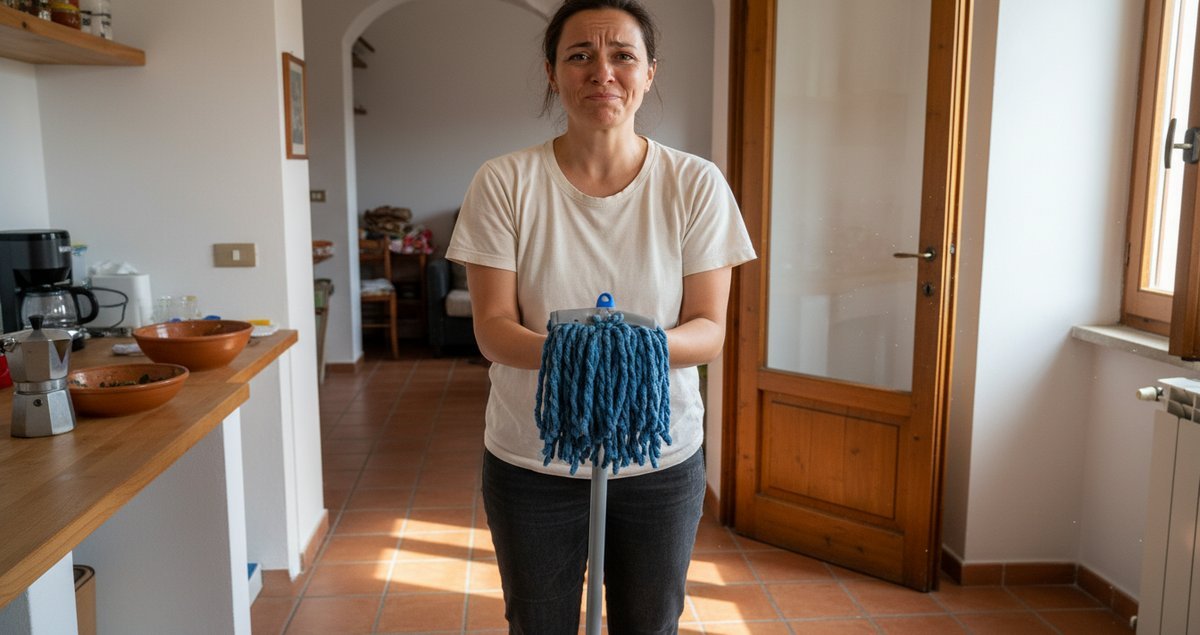
I used to pride myself on the ritual. A mop, a bucket, a cheap citrus detergent and the slow satisfaction of watching streaks vanish. For years I believed the mechanical act of washing floors was the whole point. Clean floor equals clean life. That was the simple story I told myself. It is only recently that I admitted I had been wrong about one crucial step that turned most of my effort into cosmetic theatre.
When clean looks clean but is not
There is a gap between appearance and consequence. My floors would look bright after a session. But within days there would be film, stickiness, or a subtle erosion of the finish that I blamed on age. The mistake did not reveal itself instantly. It announced itself slowly as dulling edges and a slightly rough feel underfoot that no magic broom could fix. I realized that what I had been doing made the floor seem cleaner while actually leaving behind residues that undermined their longevity.
Why intent is not the same as effect
I scrubbed with enthusiasm but used methods that mixed old water with new cleaning agents. I wrung the mop until it looked dry but not dry enough. I used more product thinking more product meant more power. That illusion of thoroughness is seductive. It feels responsible. It looks impressive on social media. But the science of surfaces and residues does not care about appearances. It cares about chemistry and particle removal, and a mop bucket that recirculates diluted filth into your floor undermines both.
As colder weather brings not only slush but also salt and fine grit your floors need to be mopped more frequently to prevent damage.
The one step I was doing wrong
I will say it plainly. I was mopping with the same dirty water longer than I should have. Not only that but I was relying on a single rinse cycle in a bucket that mixed soiled water back into my mop head. The result was an endless loop where grit was spread thinly rather than being removed. This is not an elegant failure. It is a practical one. The dirty water traps fine particles and salts which abrade finishes. The residue from too much cleaner dries into a film that holds dirt in place. Over time this dual action dulls and damages floors.
A trivial detail with outsized consequences
I began experimenting. I stopped assuming that one bucket had to do the job. I tried alternatives that felt almost childish at first a second bucket for rinsing another smaller tub for wringing a spray mop that dispensed cleaner in measured amounts. The change was startling. Floors that had looked only superficially clean for weeks started to feel smooth again. The dulling film that lingered after mopping lifted. My floors lasted longer between deep cleans. That minor shift in process delivered disproportionate results.
What the experts actually say
I am not the only one who has noticed this. Cleaning professionals emphasize the difference between displacing dirt and removing it. A mop that reuses the same solution is simply relocating grime. In winter months professionals warn about salt and fine grit and the damage they can cause if left on wood finishes. When someone with professional standing points out the harm you start to see patterns in the things you thought were ordinary.
What to believe and what to try
You will find many competing tips out there. Some recommend a single spray mop system. Others push for two buckets. Others still favor machines that rinse and dry automatically. My view is not that one tool is a panacea. It is that the logic matters. If your method ends with your mop head saturated with dirty water you are not cleaning you are smearing. If your method isolates contaminated water and prevents reapplication you are doing useful work.
Insights that don’t show up on product pages
Here are a few observations I have not seen highlighted enough. First most people underestimate how much grit floats in domestic water after sweeping. You think you removed dust then mop and it seems fine. In reality a lot of microscopic particles stay suspended and then redeposit. Second the psychology of cleaning plays tricks. We equate effort with effectiveness and so we use more detergent rather than changing the water. Third the rituals of cleaning are social. We inherit them from parents or influencers who may have never questioned the mechanic parts of their own routine.
A small number of changes matter more than obsessive frequency
I now mop less often in some rooms and more strategically in others. I wipe entryways immediately after muddy weather and keep a doormat and a small towel by the door. I use a spray mop in rooms that see little soil and set aside a separate system for high traffic zones. The point is not to make mopping an obsession. It is to stop ritualized motion and replace it with targeted action that actually removes contaminants.
Tools and approaches I defend even when they are unfashionable
I have resisted the siren call of single gadget solutions. Steam mops look clever but they can dry finish coatings too fast on certain woods. Enclosed spin buckets promise to trap dirt but can still recirculate without proper maintenance. The thing I defend now is a humble change in procedure. Rinse your mop frequently. Replace rinse water when it reads murky. Use a microfiber head that captures particles rather than pushing them around. For stubborn grime use a small local scrub rather than flooding the floor with diluted detergent.
What I still do wrong sometimes
Confession time. I still slip. When I am tired I reach for the fastest fix and that sometimes means reusing water. The difference is that now I notice the slip more quickly. I can see when the floor’s finish responds poorly and I fix course. That ability to recognize error and respond is the durable change and it is more valuable than any single product.
When to call a pro and when to tinker at home
There are floors that need a professional touch. A seriously worn finish a marble floor with etching a sealed stone that has been exposed to longterm salt buildup. For everyday wear however the solutions are accessible. They are procedural and inexpensive. The secret is less glamour and more honesty about what cleaning actually does.
Final thought that refuses to be neat
I could give a tidy list and be done with it. I could also pretend there is a single clean answer for every home. There is not. What there is is a better set of questions. Are you moving grit or removing it. Are you testing the mop head for grime. Are you choosing convenience over consequence. Answer those honestly and you will save both time and the thing you are trying to protect.
Summary table
| Problem | Why it fails | Fix that worked for me |
|---|---|---|
| Reusing dirty bucket water | Redeposits grit and film | Use a separate rinse bucket and change water when murky |
| Overuse of cleaner | Leaves residue that attracts dirt | Use measured spray or diluted cleaner and a second water pass if needed |
| Wrong mop head | Cotton pushes rather than captures | Switch to microfiber pads and wash them after use |
| Ritual cleaning frequency | Focuses on motion not removal | Target high traffic areas and spot clean instead of whole floor flooding |
Frequently asked questions
How often should I change my mop water during a session
Change it when the rinse water becomes visibly cloudy or discolored. Visual clarity is a practical guide. If you are mopping a small area and the water stays clear you can continue. For larger rooms or when dealing with winter salt or mud change it at least once mid session. The key is to avoid recirculating suspended particles back onto the floor.
Is a spray mop better than a bucket mop
Both have strengths. Spray mops limit the amount of liquid and reduce the chance of over wetting sensitive floors. They also dispense measured cleaner which limits residue. Bucket systems allow for deeper cleaning when you need to lift grime from grout or textured surfaces. The best approach is situational. Use a spray mop for routine care and a controlled bucket system for periodic deeper work with a dedicated rinse routine.
Can I use the same mop on all floor types
Different materials respond differently to water and chemicals. Microfiber is versatile but the amount of moisture you allow matters. For sealed wood use only a damp microfiber and dry quickly. For tile and vinyl you can tolerate more moisture but be attentive to grout. Natural stone often requires pH neutral cleaners. The procedural change of avoiding dirty water and limiting residue applies across materials even if the moisture levels differ.
Are high tech mops worth the cost
Some devices automate rinsing and drying and that can be a real time saver. Others promise cleaning prowess but demand expensive consumables. Evaluate the device by its ability to isolate dirty water and prevent redeposition. If the gadget accomplishes that reliably it reduces labor and often protects floors. If it merely repackages the same rinse logic into a fancier shell then you still face the same residue problem.
What small habit change gave me the best results
Keeping a small microfiber cloth and a spray bottle near the entry points to the house and wiping tracked dirt immediately made the biggest practical difference. It reduced the load on full mops and kept abrasive particles from being walked across large areas. A tiny habitual action at the door cut my heavy cleaning time dramatically.
When should I call a professional floor restorer
If the finish is worn through exposed wood shows a consistent roughness or there are stains that do not respond to targeted cleaning then professional restoration may be necessary. Professionals can assess finish levels and recommend refinishing or repair. For everyday maintenance however the procedural corrections I describe will extend the life of your floor and delay expensive interventions.
