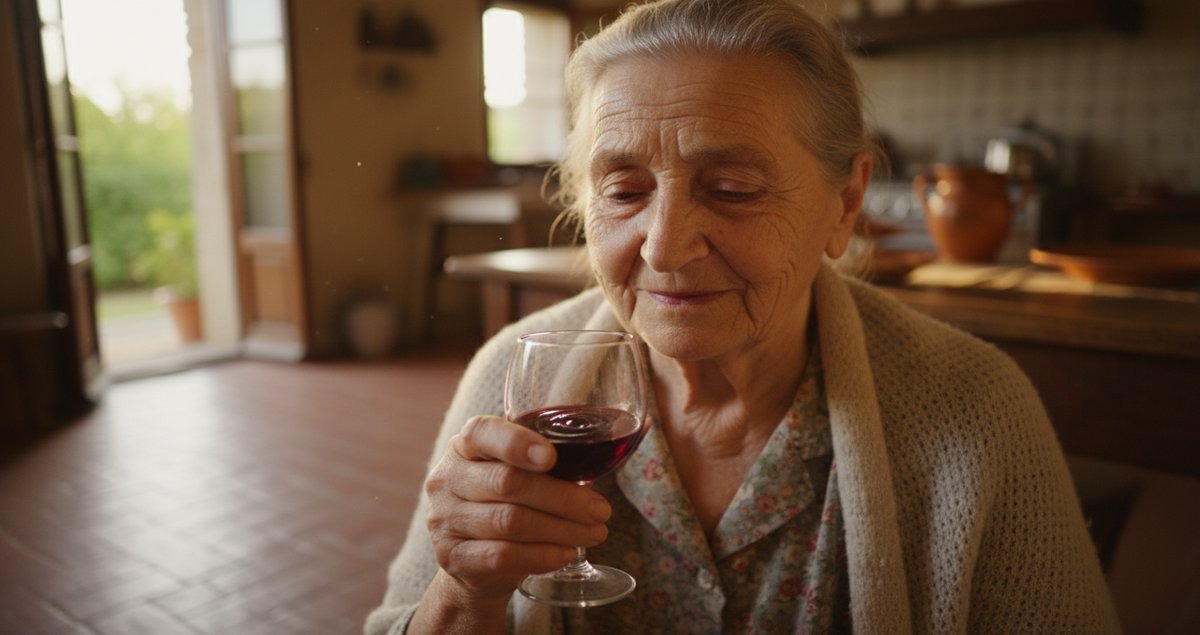
I used to mock the idea that a single glass of wine could ruin a night. Now I know better and I think I was arrogant about my own biology. There is a stubborn mismatch between habit and tissue. The habits do not notice time. The tissues do. As we age alcohol gets harder to handle and the reasons are partly mechanical and partly quietly merciless.
Not just weaker willpower but different plumbing
People talk about tolerance as if it were only a moral failing or a party trick. In reality tolerance is a moving target. Our bodies change the way they absorb, distribute, and clear ethanol. Muscle mass shrinks. The percentage of water in our bodies falls. Liver enzymes churn slower. The same amount of alcohol ends up concentrating more heavily in the blood and staying there longer than it did when you were thirty.
Alcohol is a toxin. When we don’t process that toxin when we are not able to clear it as quickly as we once could when we were young we’re more susceptible to the damaging effects of the alcohol in the brain and in the body. Tyler S. Oesterle M.D. Psychiatrist Fountain Centers.
The quote is blunt because the chemistry is blunt. Ethanol does not become kinder with age. It simply meets a body that has been lived in, patched, medicated, and changed by time. And if you have stacked medications on top of that, the interaction patterns can be baffling and fast.
Slower metabolism is not the whole story
When I read that older adults metabolize alcohol more slowly I expected a single neat explanation. Science rarely obliges. Yes the liver’s work can decline. Yes renal clearance changes. But the brain is also subtly altered by decades of tiny insults and reorganizations. A drunk in their twenties loses certain faculties. A drunk in their sixties may lose others more easily because the scaffolding that supported those faculties has thinned.
Aaron White from the National Institute on Alcohol Abuse and Alcoholism put this succinctly in a recent interview when he highlighted that the same alcohol effect looks larger on a brain that has already changed with age. The molecule is doing the same physics. The brain’s baseline is different.
Alcohol is doing what it always does but as the brain changes the impact of alcohol becomes bigger. Aaron White Senior Scientific Adviser to the Director National Institute on Alcohol Abuse and Alcoholism.
The experiential difference: hangovers, balance, and memory that arrive faster
There is a very particular cruelty to aging and booze. The next morning does not merely hurt more. Some nights the damage becomes more obvious in ways that matter. Coordination and reaction time are less forgiving. Memory gaps appear in places where they used to be merely embarrassing. If you trip while tipsy at fifty the consequences often include fractures rather than just bruises.
I learned this at an odd party where a neighbor who had always been a steady drinker suddenly announced he was cutting back. He did not frame it as a moral pivot. He said he simply disliked the new math of one equals two. That was the exact phrase and it is accurate in a way that no clinical sentence can fully capture.
Medication is the invisible amplifier
Statins, antihypertensives, antidepressants, sleep aids. The list is long and boring and in that combination lies danger because alcohol interacts unpredictably with many of these drugs. Sometimes the alcohol potentiates sedation. Sometimes it diminishes efficacy. Sometimes the interaction is quiet and cumulative and only shows itself in a bruise at the hip or a fogged week.
Few things in public health are more underreported than the slow creep of polypharmacy and the way ethanol ambushes it. Doctors are busy. Patients often do not see alcohol as a drug to mention. The result is a routine fracture of understanding between medical advice and lived practice.
Culture, loneliness, and the rituals that persist
We keep rituals. A glass with dinner, or a nightly beer while watching the news, are gestures of routine that outlive the bodies that carry them. Saying that older people should simply stop ignores why the drink matters. It is not only about intoxication. It is about consolation, habit, and sometimes loneliness. This only makes the gap between habit and physiology harder to bridge.
I do not believe in simple policing of behavior. I do believe in honest conversation, and in recognizing that many people will continue to drink and deserve clear information that matches their lived reality instead of platitudes.
New research angles worth watching
There are interesting signals in telomere research and in studies of biological age that suggest alcohol might accelerate cellular ageing in dose dependent ways. That framing does not make for easy daily choices. But it reframes the tradeoffs. Even moderate consumption can have footprints not immediately visible at the macroscopic level.
We are also seeing more work on how alcohol interacts with sleep architecture in older adults. The sedative effect of alcohol is different from healthy sleep and can worsen consolidation and memory. So a night of tipsy sleep is not really rest. It is a performance of rest with costs that accumulate.
What I think—and I will be blunt
People who tell you there is a universal safe number of drinks are selling an illusion. There are ranges and probabilities not guarantees. My non neutral position is this. If your body is older and your life depends on steady balance or clear cognition, you deserve to make choices armed with the truth not with soft insinuations. The truth is that physiology shifts. It eats the certainty that you once had about your relationship to alcohol. That is inconvenient but it is also liberating. Liberation comes from adjusting expectations and rituals.
I also think medical conversations about alcohol are often too moralized. We should pity the careless studies that treat drinking as a simple binary. The real question is how to live a life that includes pleasure while calibrating for altered risk. That calibration is personal and messy and it cannot be reduced to a slogan.
Closing odd thought
There is a private stubbornness to continuing a ritual even when the body protests. That stubbornness tells you something about identity. It can be worth honoring in small adaptive ways. The challenge is finding adaptations that respect both identity and the changed body. Not all rituals must die. Some must be trimmed or rerouted. The decision belongs to the person who lives the life.
Summary table
| Topic | Key idea |
|---|---|
| Physiology | Lower body water and slower metabolism increase blood alcohol concentration and duration. |
| Brain sensitivity | Aging brains show larger functional effects from the same alcohol dose. |
| Medications | Polypharmacy often amplifies alcohol effects in unpredictable ways. |
| Cultural habit | Routines and rituals persist even as bodily tolerance declines. |
| Research | Emerging evidence links alcohol to markers of accelerated biological ageing and disrupted sleep architecture. |
FAQ
Q What exactly changes in the body that makes alcohol harder to handle as we age.
A The short version is body composition and organ efficiency. Lean muscle mass typically decreases and body fat increases which lowers the aqueous volume alcohol distributes into. Liver blood flow and enzyme activity that process alcohol can decline and kidney clearance can slow. The brain also experiences changes in neurotransmitter systems and structural support which can magnify alcohols effect even when blood levels are similar. These combined changes alter both the intensity and the duration of alcohols effects.
Q Are some types of alcohol worse than others for older people.
A Chemically ethanol is ethanol. The immediate risk is more about amount timing and what else is in the body than the label on the bottle. Differences in mixers sugar carbonation and congeners can affect subjective experience but the primary drivers of risk remain dose and interaction with medicines and conditions that are more common with aging.
Q How do medications interact with alcohol in older bodies.
A Many common medications can either be potentiated by alcohol or have their effectiveness reduced. Sedatives antihistamines antidepressants and certain pain medicines can combine with alcohol to increase sedation and impair coordination. Other medications that the liver metabolizes might compete with alcohol processing altering the way both are cleared. Because older adults are more likely to be on multiple prescriptions this creates complex and sometimes unexpected outcomes.
Q Why do hangovers feel worse later in life.
A Hangovers are a complex combination of dehydration inflammation and metabolic disturbances. With age total body water declines and kidneys and liver may clear toxins more slowly. Inflammatory responses can change with age and the brain may be less resilient to the transient disruptions in neurotransmission caused by alcohol. The subjective experience is therefore often stronger or more prolonged.
Q Is the science settled about alcohol and biological ageing.
A The science is active and evolving. Several studies link heavier drinking to markers of accelerated cellular ageing and shorter telomeres but the relationship is nuanced and influenced by many variables. The field is moving beyond binary cultural claims to examine dose timing and individual vulnerability. Expect more refinement not a single definitive verdict any time soon.
Q What should someone talk about with their doctor regarding alcohol.
A It can be helpful to discuss medications conditions and day to day activities that depend on cognitive and motor performance. Talk about patterns of use and how drinking affects your life not just how much you consume. Doctors can provide information about interactions and risks though practical decisions are always personal and contextual.
Q Can rituals around drinking be adapted without losing meaning.
A Many rituals translate. A ritual is often about timing social connection and sensory pleasure more than the specific liquid. Non alcoholic substitutes smaller portion sizes and shifting the ritual to a different time or activity can preserve meaning while changing physiological impact. People often find creative and satisfying alternatives when they decide to look for them.
