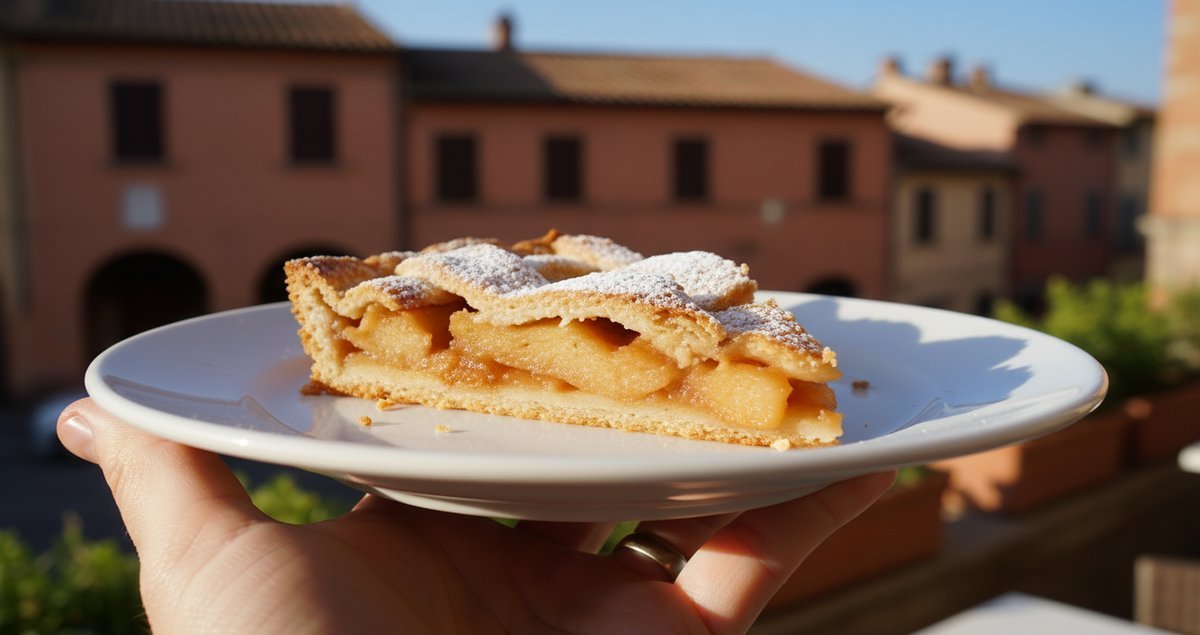
The wrong apple can turn a confident baker into a trembling one. Choosing the right apple for each dessert makes more difference than most recipes admit is not a cute line for clicks. It is a practical truth that will change how your pies set, how your tarts sing, and how your crisps behave. I say this not as a cookbook zealot but as someone who has learned the hard way that texture and acid are the secret partners of sugar and spice.
What cooks mean when they say good apples
When cooks talk about a good apple they rarely mean the same thing. Sometimes they mean a resilience that survives heat without collapsing. Sometimes they mean a sweetness that offsets butter and brown sugar. Sometimes they mean apple as punctuation a bright note that rebalances heavy cream. Those are not synonyms. Each dessert demands a different relationship with the fruit. When you choose apples intentionally you stop treating fruit like filler and start treating it like an ingredient with agency.
Texture first then flavor
I have seen recipes insist on a particular variety as if the name alone is a magical guarantee. In my kitchen the varieties are a toolkit. You pick a tool for the job. For a lattice pie you want apples that hold their shape. For a rustic cobbler you can allow more break down. For an apple tarte tatin you want an apple that will turn soft but not dissolve into mush under the syrup. For an apple galette you might want contrast a crisp bite inside a buttery crust. These are choices not commandments.
Why acid is the uncelebrated hero
Sugar and spice get the fanfare but acid is the companion that keeps desserts from being cloying. A tart apple will flirt with your palate then keep it interested. When a recipe calls for lemon juice assume it is patching an acidic deficit in the fruit. Some apples bring that acidity naturally. Others arrive sweet and wide open. Knowing which is which changes the amount of sugar and the need for citrus additions. A dessert that tastes balanced should remain intriguing on the third forkful not collapse into monotony.
Real words from an apple insider
Amy Traverso senior food editor Yankee Magazine and author of The Apple Lover s Cookbook says Apples are not all interchangeable for baking and you should pick based on how they behave in heat and how their sweetness plays with your other ingredients.
That sentence from an expert is austere and useful. It also reminds you to stop assuming supermarket labels equal baking success. Experts do not speak to be poetic. They speak to give you specific leverage.
My working taxonomy of apples for desserts
This is not exhaustive. It is a practical starting map I developed after years of cross comparing dozens of pies and crisps. I do not pretend this is the final word. It is a living compromise between availability and performance.
Firm keepers
These apples keep shape under heat and give you a distinct piece of fruit in each forkful. Use them in pies and tarts where you want recognizable slices and a neat crust. They can feel restrained if used raw but their structural resolve is invaluable once warmed.
Soft bloomers
These melt into the filling and spread flavor like an internal jam. Use them in crisps cobblers and certain upside down desserts where you want integrated silkiness rather than intact slices. They are surrendering apples not stubborn ones.
Acidic brighteners
These are your contrast apples. They cut through richness and keep custards creams and dense cakes from turning syrupy on the tongue. You do not always want them to dominate but you do want them present.
How blending varieties changes outcomes
Blending is the craft baker s favourite trick. Mixing a firm keeper with a soft bloomer gives you architecture plus internal gloss. Adding a pinch of an acidic brightener can rescue a too sweet filling. This is the nuance that most recipes skip because they advertise simplicity. Simplicity is seductive but it is often lazy. If you are making dessert with any intention at all allow yourself to mix. The result is usually better than the sum of the parts.
Examples from my kitchen
For a family apple pie I often use a blend of two thirds firm keeper and one third acidic brightener. The firm slices remain recognizable and the bright apple keeps the filling from sliding into saccharine territory. For an apple crisp that will be spooned over ice cream I tilt toward soft bloomers so the topping and the fruit can become one warm, messy entity. For a tarte tatin I will choose a firm but sweet apple that will caramelize without disintegrating.
Seasonality and sourcing matter more than variety names
Here is the inconvenient truth: a fresh off the tree gala in September may outperform a supermarket labeled baking apple in February. Apples change after harvest. Storage technologies have turned certain late season apples into year round commodities but flavor and texture subtly shift. If you can find local fruit that is in season you will often be rewarded in ways that a named variety cannot promise. This is when tasting before committing to a recipe becomes a small ritual that yields large returns.
Practical subversions
Buy more than you need. Taste them. If one tastes flat reserve it for purée if one is glassy and sharp reserve it for contrast. Taste and intention together will save you from regret. Recipes that insist on a single apple name are often aimed at convenience not craft. There is nothing wrong with convenience. But if you want results that make people remember the dessert then be a little more methodical.
When to ignore varietal orthodoxy
There are moments when the supposed canon becomes a straightjacket. A so called bakery apple can be delightful raw in a salad. A sweet dessert apple can be the unexpected hero in a sherbet. Your palate is allowed to deviate from the orthodoxy. My opinion is firm: follow rules until they stop serving you. If an experiment works keep it. If it fails shelve it and learn from it. Culinary expertise is stubborn and forgiving at once.
Small details that change the final act
Peeling for texture or leaving skins for color. Slicing thin for more even cooking or chunking for rustic bite. Tossing with a small amount of sugar early to coax juices or waiting until the pan is hot so the apple s own juices do the work. Each small decision interacts with the apple you chose. These micro decisions often explain why two bakers following the same recipe will get different ends. I prefer to think of a recipe as a suggestion rather than a contract.
Final stubborn note
There is no perfect apple. There is only the right decision for the dessert you are making and sometimes the right decision is to be flexible. Choosing the right apple for each dessert makes more difference than most recipes admit is not mathematical. It is practical and emotional. Food is technology and memory and sometimes aesthetic. Take a breath. Taste an apple. Make a choice. See what happens.
| Dessert | Apple behavior sought | Practical choice |
|---|---|---|
| Classic double crust pie | Holds shape and browns cleanly | Firm keepers blended with an acidic brightener |
| Cobbler or crisp | Soft melting interior that melds with topping | Soft bloomers with a touch of firm pieces for texture |
| Tarte tatin | Caramelizes without disintegrating | Firm sweet apples that take heat well |
| Fresh apple salad or tartare | Crunch and acidity | Acidic brighteners used raw |
FAQ
Which apple should I choose if I can only buy one kind?
Buy the best quality available. If you must pick a single variety choose one that leans toward firm texture and moderate acidity. It will be the most flexible across pies tarts and bakes. If you are working with seasonal local fruit ask the seller to taste one with you and let the bite guide the decision.
Is it always better to blend apples?
Blending is a powerful technique but not a requirement. Blending mitigates the extremes of a single variety by balancing texture sweetness and acid. If you are aiming for a specific effect such as complete meltdown or very clean slices then a single variety used with intention will do fine. Blending is simply a sophisticated shortcut.
How does storage affect which apples I should use?
Storage softens edges and can reduce the bright acid notes. Apples kept long in controlled atmosphere storage can be milder. When using long stored fruit you may need to add more acid or reduce sugar depending on what you taste. Fresh out of tree apples often allow you to be lighter handed.
Should I peel apples for every dessert?
Peeling changes texture color and mouthfeel. Leave skin on when you want visual contrast or fiber in the final dish. Peel when you need a smooth filling or when skins might interrupt the texture you want. There is no single rule. Trust the instrument of your palate.
What if I cannot find the varieties recommended in most recipes?
Use the functional approach. Identify whether the recipe wants the apple to hold its shape to melt to provide acidity or to sweeten. Then pick what is available that fills that role. Most home cooks will get better results from a considered substitution than from slavishly following a recommended name that is not in season or unavailable.
