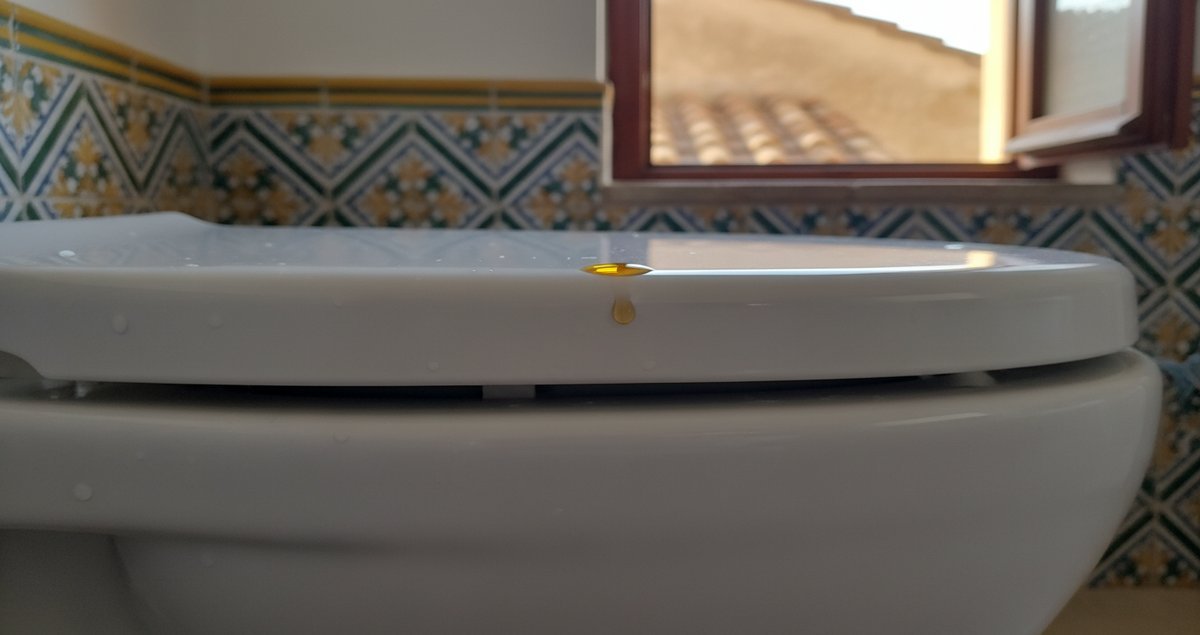
I started doing it because a single drop of lavender on the porcelain seemed almost ritualistic. It was cheap theater for the nose. A tiny scent that flirted with the room for an hour and then was gone. That unassuming habit of putting drops of essential oil on the inside of the toilet bowl has become one of those domestic tricks that splits people into lovers and eye rollers. Here I argue it is worth thinking about differently than the usual do it or dont take on blogs.
Why people try drops of essential oil on the inside of the toilet
There are motivations that are practical and others that are emotional. Practical users like the immediate burst of fragrance and the way a highly concentrated scent can mask odors for a short time. Emotionally driven users like the micro ritual. It signals care. You see someone perform it and you feel they notice small things about a shared space. That alone explains a lot of the practice.
Not just fragrance but theater
The small act of dropping oil is performative. It tells guests without words that someone paid attention. It is cheap theater with a real sensory payoff. But theater can be sloppy. Oil droplets behave unpredictably on glazed porcelain. Sometimes they cling to the rim and persist. Other times they diffuse into the water and, depending on the oil, flirt with the air for minutes or longer.
What actually happens after the drop
When a drop of essential oil hits porcelain it spreads, beads, sometimes forms a shimmering crescent. Most essential oils are hydrophobic so they do not mix with water easily. Instead they float, sometimes pooling at the waterline, sometimes clinging faintly to the surface. As the toilet is used the mechanical action of flushing and the turbulence will do most of the dispersal work.
There is also evaporation. Some molecules are very volatile and will evaporate and carry scent into the small room. Others are heavier and remain stubbornly bound to surfaces. That simple physics explains why different oils give different effects when used this way.
A few words of reality from people who study this stuff
Misuse of essential oils can cause serious poisoning. Rose Ann Gould Soloway RN BSN MSEd DABAT emerita Clinical Toxicologist National Capital Poison Center.
That is not dramatic scaremongering. Poison centers document real incidents that were often accidental. The quote is a reminder that concentrated aromatic liquids are biologically active substances. A drop on porcelain is tiny by volume but not necessarily trivial by effect.
Unintended side effects most blogs ignore
Perfume masking is obvious. Less obvious is how the oil can interact with cleaning residues. Many cleaning products leave surfactants or alkaline films. Oils can sit on top of those residues and change how fragrance molecules move into the air. The result is sometimes a scent that smells different from the bottle. That odd layered scent is why visitors sometimes comment and seem uncertain whether they like what they smell.
Another ignored issue is smaller and creepier. Oils on porcelain can attract dust and tiny debris which then become sites for bacteria to hide under a film of oil. That is not to say that oil creates bacteria it simply makes microenvironments on surfaces where things stick differently. The aesthetic payoff might be offset by more persistent residues that require different cleaning approaches.
Alternatives and trade offs
If you want a long lasting scent without fiddling with drops you can choose diffusers designed for air not plumbing. Or pick solid fragrance discs intended for restrooms. Those choices are engineered to moderate release. The trade off is cost and the loss of the little ritual that many of us enjoy.
I admit a bias here. I find rituals that create small pleasures in shared spaces to be underrated. They can be cheap sources of dignity. But I also think rituals should not ignore consequence. That middle ground is where the sensible user lives.
When the tiny gesture becomes a problem
The main risk is accessibility and concentration. If you keep bottles where curious children or pets can reach them then an accidental ingestion or skin contact issue becomes likely. Another problem is when people use highly concentrated oils like wintergreen or camphor without appreciating their potency. That is a careless escalation from a small domestic ritual into something requiring professional attention.
Practical suggestions that respect the ritual
If you plan to indulge the small habit then do these things quietly. Keep bottles out of reach of children and pets. Use a single drop not a puddle. Test a small amount of oil out of sight to see how it behaves with your cleaning products. Clean the bowl regularly to avoid residue buildup. These are not commandments. They are modest nudges toward keeping the pleasant little practice from going sideways.
Not all essential oils behave the same way with porcelain. Citrus oils can leave faint sticky films that attract dust. Tea tree and eucalyptus might produce sharper airborne notes that linger longer but also make some people cough. That variability is precisely why the practice demands curiosity rather than blind copying from influencers.
Personal experiment findings
I tried a small experiment over a month. One drop of lavender on the far side of the bowl after each cleaning. The scent lasted in varying intensity between ten minutes and an hour depending on airflow. The bathroom seemed fresher to me personally but not enough to warrant a whole arsenal of oils. The ritual mattered more than the measurable scent duration. That is worth acknowledging because many household habits are more about meaning than measurable outcomes.
Ethical quirk to sit with
There is an odd social dimension to the practice. It signals both hospitality and a kind of territoriality. If you live with housemates who hate added scents then the single drop becomes a subtle form of assertion. I think that deserves being treated like any other shared space decision. Ask before you sprinkle.
I do not offer a universal yes or no. I offer an invitation to treat small domestic habits like choices with consequences. They are not laws. They are habits you can tune and own.
Concluding note
Putting drops of essential oil on the inside of the toilet is a quiet domestic trick that reveals much about taste and care. It is sensual and symbolic and occasionally careless. Whether you do it for scent or ceremony keep the practice mindful. Respect potency. Respect other people using the space. And if nothing else treat the small act as an experiment not as an instruction manual for life.
| Idea | Fast take |
|---|---|
| Why people do it | Sensory payoff and ritualistic signaling. |
| What the drop does | Floats on water spills evaporates variably and can interact with residues. |
| Hidden issue | Can create residue zones that trap dust and require different cleaning. |
| Safety note | Essential oils are biologically active and should be kept away from children and pets. |
| Better ritual | Use single drops test interactions and respect housemates preferences. |
FAQ
Is putting a drop of essential oil on the inside of the toilet bowl harmful to plumbing?
Most essential oils are used in such tiny quantities that they will not damage porcelain or plumbing. Oils are hydrophobic and will not dissolve in the water but will generally be flushed away or dispersed. The concern is not the plumbing but residues. Over time if you rely on oil to mask odors instead of cleaning you may notice buildups that need scrubbing. That is an aesthetic and cleaning issue not a structural one.
Will the scent linger for hours after one drop?
Scent longevity varies widely. Some oils evaporate quickly and provide a brief impression. Some heavier oils or blends can cling to surfaces longer and release scent more slowly. Airflow in the room and the presence of other chemicals from cleaners dramatically change how long you will notice the fragrance. Expect minutes to an hour rather than many hours from a single drop.
Are some essential oils better suited to this than others?
Yes. Citrus oils tend to be bright and short lived and can leave sticky residues. Herbal oils like lavender give a familiar calmer note but may not last long. Stronger oils like wintergreen or camphor are powerful but come with higher potency considerations. Personal preference matters but also the chemistry of the oil and how it interacts with surfaces and cleaners.
How should I clean after using oils on porcelain?
Regular cleaning with an appropriate toilet cleaner will remove most residues. If an oily film remains try a degreasing cleaner or a small amount of dish soap followed by thorough rinsing. The goal is to avoid letting oil sit long enough to attract dust and grime which then make cleaning harder later.
What about pets and children in the house?
Keep bottles locked away and avoid applying oils in places where curious hands or paws could access the bottle or fresh residue. Accidental ingestion or skin contact is the risk to watch for. Treat the oils like potent household chemicals rather than harmless perfume bottles.
Is this a sustainable habit?
Small numbers of drops use minimal product but the broader environmental question concerns sourcing and the cultural push to buy more. If you value sustainability pick oils from reputable producers who disclose sourcing and avoid excessive consumption. The ritual can be sustainable but the impulse to collect many bottles can become wasteful.
