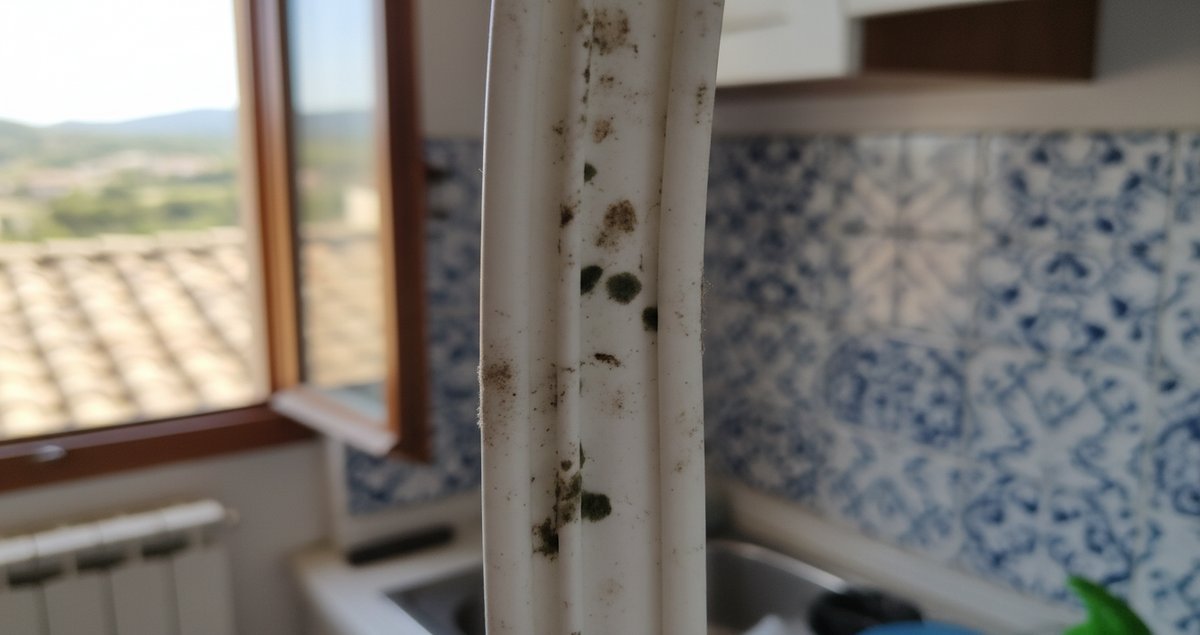
I used to think I was thorough. I wiped shelves, tossed suspicious containers, and replaced the baking soda box like clockwork. Then one evening a visiting friend stopped mid step in my kitchen and said the refrigerator had a smell. It was faint but persistent and oddly moving around like an invisible guest. I had been cleaning the visible parts of the fridge for years yet had never bothered to pull on the rubber edge that makes the door close tight. That rubber edge the gasket turned out to be the quiet culprit that quietly incubates odor and then parcels it across everything inside.
Why the gasket matters more than you think
When people talk about fridge maintenance they lean toward obvious things: shelves sticky with jam, a spilled carton at the back, the mystery Tupperware. Those are important but obvious. The gasket hides. It forms small folds crevices and channels where moisture pools and food molecules lodge. Those trapped pockets are private microclimates of mildew and odor. Because the gasket sits at the boundary it becomes a conveyor belt. Air currents push scent molecules from the gasket into the main compartment and then across your milk and herbs. You clean the shelves but the gasket keeps reintroducing the smell. That repeating loop explains why some refrigerators never seem truly clean.
Real words from a cleaning expert
“Poor air circulation and moisture can trap these odors allowing them to linger and spread to other items.” Alicia Sokolowski president and co CEO AspenClean.
That sentence lands flat and then blooms into a dozen little annoyances you recognize: a lemon container that tastes faintly of last week s sauce a coffee cup that now smells like garlic. Sokolowski s point is simple but underused in the routine cleaning playbook. We focus on surfaces that are visible rather than the places that quietly mediate the atmosphere of the whole fridge.
How the gasket turns small into systemic
Think of the gasket not as an inert seal but as a living seam. It flexes with every door opening grabs specks from your hands and the air and drops them into creases. Because it is rubber it retains oils and provides a slightly tacky surface that encourages biofilm formation. Biofilm is the polite word for microscopic communities that cling together. Over time those communities produce volatile compounds. Those compounds are the very molecules we recognize as bad fridge smell.
Why usual cleansers fail
People often use a damp cloth and dish soap and they do it at a glance. That will remove a film but not the stuff lodged inside the accordion folds. Many cleaners avoid strong scrubbing on gaskets for fear of damaging the seal or voiding a warranty. That caution is fine but it has produced a culture of superficial maintenance where the gasket gets treated like an afterthought. You can sanitize without violence if you take the right approach and a little patience.
A slightly dissident cleaning approach
I am going to be frank. The typical advice to simply “wipe down the gasket monthly” is lazy. It is the equivalent of promising to floss and only occasionally looking at the floss in its drawer. Instead adopt a ritual that is deliberate and slightly investigative. Start by visually inspecting the entire gasket line. Peel it back gently at several points like you are lifting a photograph corner. If you see discoloration brown or gray dark green or slimy film then act differently. Use a soft toothbrush or interdental brush with a baking soda paste or a mild vinegar solution to work into the folds. Dry thoroughly afterwards. If the gasket is repeatedly grimy you may need a professional assessment because persistent smell can be a sign of trapped spills in channels beneath the future lined plastic.
My unpopular opinion about deodorizers
Commercial deodorizers and scented sachets give an illusion of freshness. They mask. They do not solve. Putting a pot of coffee grounds or a box of baking soda in a fridge that has a contaminated gasket is performing a theater trick. You will buy the trick and feel temporarily reassured which makes you less likely to fix the real problem. If you want your fridge to be honestly fresh start with the gasket and stop pretending surface masking equals cleanliness.
When to call the pros
There is a point at which the gasket is compromised beyond simple cleaning. If you see cracks or hardened parts peeling away or if you have persistent water pooling along the bottom seal then schedule a service check. A failing gasket affects temperature stability and energy efficiency and the longer it sits the more likely odor molecules will embed into insulation or other materials. Those are expensive to fix later. So there is a practical cost to neglect not just an olfactory one.
Some things I do that are not in the manuals
I keep a small travel toothbrush in a drawer designated for appliance maintenance. It s used exclusively for gaskets and drains. I also keep a labeled spray bottle with one part white vinegar two parts water. When I clean I pop out the drawers and soak them in a sink of warm water and dish soap. Then I spend meaningful time with the gasket. After scrubbing I dry everything with a microfiber cloth and prop the door open for thirty minutes for air exchange. It works not because I discovered a miracle but because I did the less glamorous work no one else does.
Final thought that refuses closure
There are countless household rituals that give us the feeling of maintenance without its substance. Cleaning the fridge is one such ritual riddled with these small deceptions. You can clean the shelves and admire the gleam but if you ignore the gasket you have only performed half a task. The choice is between surface sparkle and systemic freshness. Which one matters to you more.
Summary Table
| Issue | Why it matters | Quick fix |
|---|---|---|
| Gasket crevices | Trap moisture odor molecules and biofilm | Peel back and scrub with baking soda paste then dry thoroughly |
| Masking with deodorizers | Hides symptoms rather than removes source | Eliminate masking then deep clean seal and interior |
| Persistent odors | May indicate deeper contamination or failing seal | Inspect for cracks if present call technician |
| Routine care | Prevents buildup and extends gasket life | Monthly visual check quarterly deep clean |
FAQ
How often should I clean the refrigerator gasket
Monthly visual checks are a baseline. If you notice any discoloration moisture or a recurring smell perform a deeper cleaning immediately. Quarter yearly deep attention where you peel back the gasket gently scrub with a mild paste and dry thoroughly is a practical cadence for most households.
Can I use bleach on the gasket
Bleach can be effective on visible mold but it is harsh and may degrade rubber over time. If you choose to use a dilute solution do so sparingly and rinse completely. Prefer milder approaches like vinegar or baking soda for regular maintenance and reserve stronger chemicals for stubborn contamination following manufacturer guidance.
Will replacing the gasket fix persistent fridge odors
Replacing a damaged gasket often resolves odor problems that stem from a compromised seal. However if odors have penetrated insulation or internal components replacement alone may not be enough. A technician can determine whether the issue is localized to the seal or more systemic.
Are there preventive habits that actually work
Yes cleaning spills quickly using airtight containers avoiding leaving uncovered foods and ensuring good airflow inside the fridge all reduce the load on the gasket. Rotating out baking soda boxes and ensuring the door closes fully after loading also lowers the chance of odor formation.
What if the smell returns after cleaning
Return smells suggest either incomplete cleaning residues trapped deeper in the gasket or contamination elsewhere in the unit. Repeat the cleaning with emphasis on drying peel back the gasket to reach hidden folds and if necessary consult a repair service to inspect the interior panels or drip pans where trapped residue may linger.
