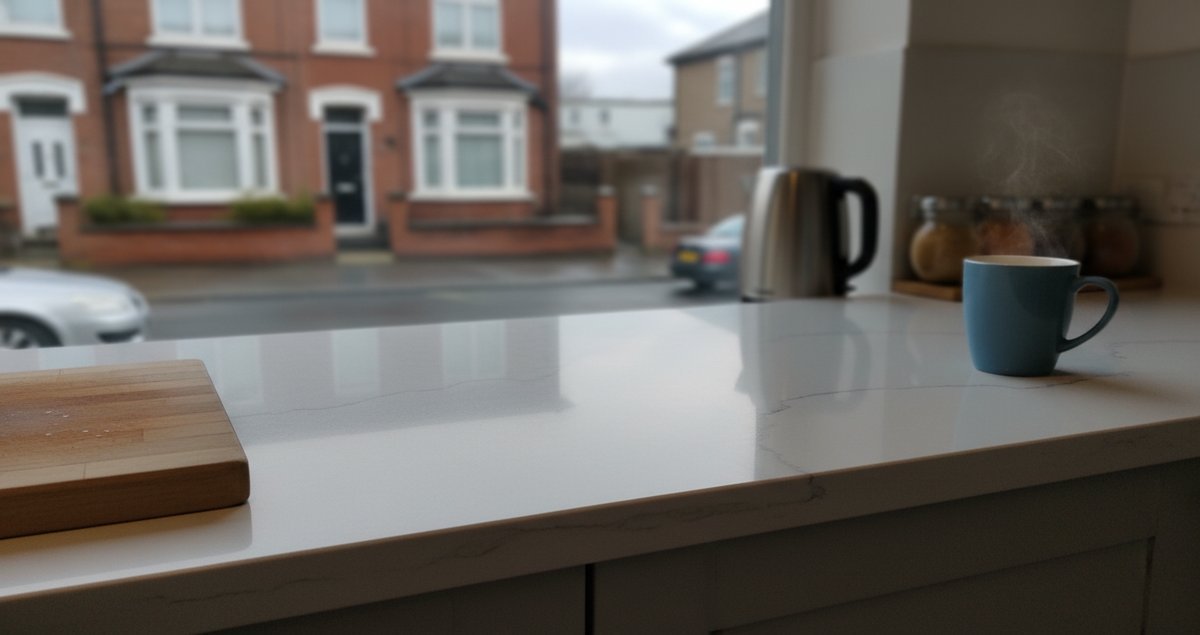
I used to treat the kitchen like a battlefield where forks were lost and minutes leaked. Then I installed one simple habit into the edges of every meal and, stubbornly, everything else rearranged itself around it. Call it stubbornness or common sense but the change felt less like an efficiency hack and more like reclaiming minutes that had been siphoned by baking trays, mismatched lids and tiny unanswered questions such as What do we have for dinner.
Why most kitchen tips are glitter not grout
There is a wave of listicle advice out there promising instant calm if you buy a gadget, decant your spices into geometric jars, or perform a midnight wipe. Those tactics sell well because they look good in photos. They rarely change the shape of your day. I’ve found that routines that endure do one thing differently: they land where you already spend time and ask for an inch of habit rather than a full renovation.
The routine I kept coming back to
The routine is simple to state and harder to ignore: at the end of every cooking session you clean one crucial plane so the next meal begins with a single clear surface. If you cook at the table, clear the table and leave one clean, dry space. If you use the worktop, return one clear stretch of counter. Do this even if the rest of the kitchen looks like a small disaster. That single clear plane becomes the staging area for the next thing you do and it changes the grammar of your kitchen work.
How tiny order compounds into real time saved
Clearing a single plane is a nudge, not a sermon. The kinetic truth is that time is stolen by tiny, repetitive frictions: hunting a lid, scraping a surface before plating, or rummaging for a chopping board. Remove one predictable friction and you remove dozens of small decisions later. The first time I tried this I didn’t record numbers. I simply noticed I arrived for the next meal with a plan rather than with a scavenger hunt.
Small changes to the environment can lead to big changes in behavior. The more we repeat a behavior the less effort it takes to do it.
Wendy Wood’s research into habit formation explains why this works. Habits are context sensitive. A clean plane becomes a cue. Over days it becomes automatic. That means you will be minutes ahead because your brain can act before it has an argument with itself about what to do next.
No gadgets required but honesty helps
This routine does not ask you to own a particular appliance. It asks you to be honest about where you lose minutes. If you regularly spend ten minutes hunting lids, clear a small shelf near the hob for lids only. If bottles gather in a corner, decide where they live overnight. Honesty here is practical: name the friction and neutralise it. The routine is a refusal to keep losing time to familiar inefficiency.
What people misunderstand about routines
People tell me they resist routines because they fear boredom or the loss of spontaneity. That’s a poor argument for an unpaid time tax. Routines free attention. That freed attention is where spontaneity does better work; with more breathing space you have the bandwidth to try a new recipe, talk properly to your partner, or read while the kettle boils. The odd paradox is that structure makes room for the unpredictable.
My kitchen became a buffer zone
When one plane is reliably clean it acts like a buffer. No, it won’t stop a pan from boiling over or a toddler from commandeering the spoons. But it will shorten the time between decision and action. Instead of spending ten minutes clearing before you can start, you begin. You’ll be surprised how often starting early reduces cooking time because the first stage often flashes through in seconds when you’re prepared.
Experts say the same thing but in proper language
Behavioural science repeatedly shows that environment scaffolds behaviour. The kitchen is simply a very literal environment. When you build a single, repeatable anchor into it you redirect dozens of tiny choices elsewhere. That redirection is where the saved minutes accumulate into hours.
Not everything needs to be perfect
Perfectionism kills good habits faster than chaos. The one plane routine tolerates mess. You can keep the sink full; the trick is leaving one place intentionally uncluttered. That permission to be imperfect is what makes this approach scale into every home with human beings inside rather than an influencer’s staged kitchen.
What I changed and what stayed stubbornly the same
I reorganised a drawer. I bought no fancy equipment. I shifted the lids to a magnetic strip by the hob because that actually made sense in my kitchen and then I tripped over not wanting to be tidy that one evening. The routine survived because it is small and because I treated it like an experiment rather than a resolution. Failures happened. I adjusted. The principle is the point: reduce friction; keep one clear plane; let the rest follow.
Why this is not just about speed
There is an emotional dividend here. Starting with a clean patch feels lighter. It’s not Zen, it’s not dramatic psychology, it is simply less effort. People underestimate the relief that comes from a decision saved. Minutes are useful but the unseen thing is how many decisions you don’t have to make and how much less irritated you are as a result.
How to begin tomorrow morning
Decide where your one plane will be. Tell one other person in the house the plan because social friction helps habit formation. The next time you finish cooking, clear that plane. Do not rearrange the rest of the kitchen. Let that small clean place create a new default. Repeat for a week and notice where time appears back in your day. If you do it, you will find yourself stealing back minutes you had assumed were gone.
A final, slightly grumpy observation
We are sold elaborate systems to save minutes that we already misplace through our own small tolerances for annoyance. The simple kitchen routine I describe is not glamorous. It does not photograph well for the internet. It is stubborn, practical and mildly irritating to set up. Which is precisely why it works.
Summary table
Key idea One clear plane at the end of cooking becomes a cue for next meal preparation.
Why it saves time Removes repeated small frictions such as searching for lids or clearing a workspace.
How to start Pick one plane counter table or shelf. Clear it after each meal. Keep it clear overnight.
Why it sticks It uses context based habit formation and asks for minimal effort so it survives real life.
What to avoid Perfectionism and impulse gadget purchases that shift attention rather than behaviour.
FAQ
Will this routine work in a very small kitchen?
Yes. The principle is about a single predictable staging area rather than a particular size. In a tiny galley kitchen the plane might be the top of the kettle or the one tile near the hob. The important part is that it is always available and always cleared after use. Small spaces make the cue even stronger because there are fewer competing surfaces.
How long before I notice time savings?
The psychological shift can be immediate because you stop wasting minutes on trivial searches. The behavioural change—the habit—often feels automatic within a week if you consistently clear the chosen plane. The habit is fragile until you commit to it as part of every meal rather than a chore you do when you feel like being tidy.
Do I need special storage or gadgets?
No. The only investment is mental and a small re-arrangement that makes the clear plane functional. People who succeed tailor small storage tweaks to their routines rather than buy equipment in hopes of a quick fix.
What about households with many cooks?
Make the routine communal. Put a small note or a magnet that announces the plane and encourage everyone to return one item to its place. Shared responsibility is not magical but it works better when the rule is simple and visible.
Will this make the kitchen feel sterile?
No. The aim is not clinical neatness but a reliable place to begin. Leave personality and lived in warmth elsewhere. This is about function not aesthetic airs. Trust that a tiny tidy acts like a hinge not a prison.
Can I adapt this to baking or entertaining?
Yes. For baking you might reserve a clear stretch for mise en place. For entertaining designate a clear serving shelf. The core idea is portable: reserve one plane for the thing you will do next.
