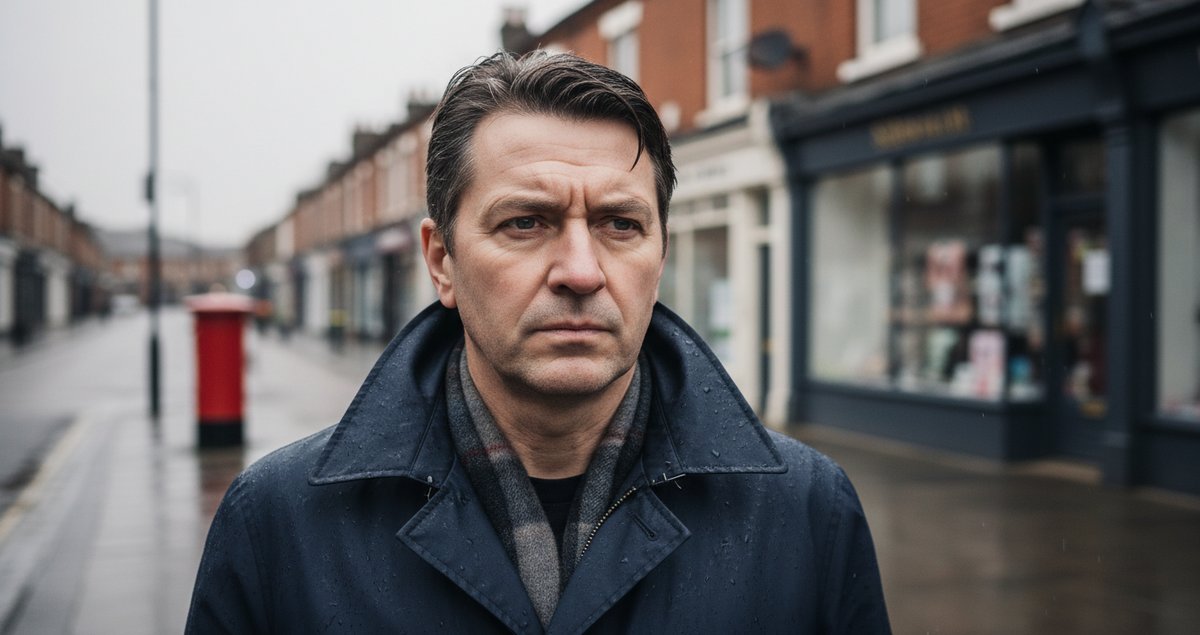
I used to think intuition arrived like a burst of static electricity a few seconds before the obvious. That was lazy, romantic thinking. What I now call intuition is quieter and more stubborn. It is less flash than accumulation. How observation sharpens intuition is a practical question not a mystery. Pay attention and your gut will no longer make wild guesses. It will offer evidence informed feelings. This is not a comfortable truth for people who want instant genius. It is rewarding for anyone ready to do the slow work.
Observation is not passive watching
We imagine observation as something that happens to us. We picture ourselves standing at a window, taking it all in. In reality observation requires subtle editing. You choose what to notice and what to ignore. That choice is the engine of intuition. Every selection becomes a tiny data point. Over time those data points form a pattern you can feel rather than compute. If you watch the same market, the same conversation, the same plant, or the same child across months you begin to feel a pressure change in the system. That feeling is not mystical. It is pattern recognition honed by repeated discrimination.
Personal note on doing the work
I keep three small notebooks. They are messy. Sometimes I forget them. Often the best observation happens in half attention while doing something else. I write one line and stop. Those lines pile up like sediment. Months later they form a surprising map of how things evolve. People talk a lot about data but few people treat everyday sensory observations as data. That mindset shift is where the practice begins. It is my conviction that most failed intuitions were simply unbuilt ones.
Attention shapes the raw material of intuition
If you never look for micro changes you will never feel macro direction. There is a specific economy of attention. Small consistent looks at small details pay compound interest. Watch tone. Watch pauses. Watch the way a shop front changes its display. The world is noisy but not random. To find signal you must be willing to be bored for a while. That is the practical cost of better feeling for outcomes.
We can be blind to the obvious, and we are also blind to our blindness. Daniel Kahneman Nobel Laureate in Economic Sciences Princeton University
Kahneman is blunt because he wants us to accept that observation defeats complacency. That quote matters here because it warns against thinking that intuition is infallible. Observation is the corrective.
Observation beats shortcuts but likes routines
Routines are not the enemy of insight. They are its scaffolding. If you only rely on sudden inspiration you will be perpetually surprised. If you build habits of noticing then surprise becomes information rather than a trap. This is the tension I live with. I hate the idea of habit as numbness. Yet I rely on ritualized noticing to keep a fresh feed of small surprises. The trick is to build routines that force you to ask fresh questions about the same familiar things.
The mechanics of a sharper gut
There is a process inside observation that turns sights and sounds into judgement. First you register. Then you compare. Then you test a small hypothesis internally and see whether new observations confirm or contradict it. Over time these tiny hypothesis tests accumulate into a stable sense of what is likely to happen. This is what people mean by intuition but rarely describe: a privately tested catalogue of small bets. The advantage is speed. The risk is bias. The repair is more observation not less.
How to spot when your gut is lying
Your instincts will tell tales. It is how minds economize. Pay attention to the smell of certainty. When your feeling insists without gesturing toward any concrete details treat it as suspect. Good intuition usually arrives with a handful of particulars. It will point to where you looked and what changed. If your gut is content to remain abstract it probably wants reinforcement or correction. In practice I often ask myself what exactly I noticed in the last three days that supports this sensation. If I cannot answer the feeling collapses into a suspicion worthy of quiet reexamination not immediate action.
Observation in public life and relationships
There is a civic dimension to this. When citizens pay attention to small shifts in their neighbourhoods they sharpen collective judgement. When a manager notices not only output but the small social frictions they see deeper problems earlier. When lovers notice tiny changes in tone and timing they can often prevent escalation. All of these are instances where how observation sharpens intuition becomes civic and ethical. It matters who trains their attention and for what ends.
The ethical slipperiness
There is a moral cost to being observant. If your skill in reading people becomes an instrument of advantage it can be used for manipulation. That is not an abstract warning. In my experience skill without restraint becomes a deafness to others. True skill includes a rule about consent and about returning what you learn in ways that do not harm. This is a moral claim disguised as practical counsel. I make it because otherwise the most useful habit tends to be used to win rather than to understand.
Practice suggestions that are not trivial
Stop trying to take exhaustive notes. Start learning to notice differences. Set a narrow theme and follow it for twenty sessions. Watch the exact way one person laughs. Watch the way one shop changes its window across four months. Keep the scope small and the time long. This trains discrimination. I am deliberately vague about how to do it because prescription breeds performance not curiosity. Find awkward practices that disrupt your automaticity. I prefer walking routes with small detours and listening for a type of cough in the market. It sounds odd because it is meant to be disruptive. Not everything should be explained twice.
When intuition fails and what that teaches
Failures are instructive. When your feeling was wrong, ask which observations you missed and which you misinterpreted. Most mistakes are not mysteries. They are omissions. Sometimes you will discover that you were too in a hurry to interpret sensory noise as signal. That impatience is fixable. It requires deliberate cultivation of patience and a tolerance for ambiguity. The payoff is a gut that is better at being provisional rather than dogmatic.
In the end my position is plain. Intuition without observation is guesswork. Observation without reflection is trivia. The combination makes a craft. It takes time and invites humility. It also produces a confidence that is quieter and more useful than the loud certainty we often mistake for wisdom.
Summary table
| Idea | What it means | How to practice |
|---|---|---|
| Observation as selection | Choosing what to notice shapes judgement | Keep brief notes on a focused theme over months |
| Attention economy | Small consistent looks compound into pattern sense | Schedule short regular observation sessions |
| Tested intuition | Intuition is accumulated hypothesis tests | Record one concrete detail that supports any strong feeling |
| Ethical dimension | Observant skill can be used harmfully | Set personal rules about consent and use |
FAQ
How long does it take to sharpen intuition through observation
There is no fixed timetable. Expect meaningful change in weeks for simple patterns and months or years for complex domains. The crucial variable is consistency. Ten minutes of focused noticing daily beats a single long session. The pace also depends on the domain. Social dynamics shift faster than geological one. The point is not speed but cumulative practice.
Can anyone learn this or is it innate
Anyone can improve their observational skill. There are innate differences in temperament but the core capacities are trainable. Skillful observation requires curiosity discipline and the willingness to be boring for a while. Those are traits you can cultivate through small repeated acts of noticing and reflection.
How do I avoid bias when I observe
Bias is inevitable but manageable. The first step is to treat your observations as provisional data not conclusions. Seek contradictory instances deliberately. Keep a short log of surprises and record why they surprised you. Over time patterns in your surprises reveal your blind spots. Invite others to read your notes when possible. Social feedback is a strong corrective to private blindness.
Is this useful in professional decision making
Yes. Professionals who rely on intuition do so because they have invested in observation. Traders doctors and designers differ in their fields but share the same method. The relevant difference is that professionals often pair observation with selective testing. If you want to make intuition reliable in work set up micro tests that convert feeling into verifiable outcomes.
