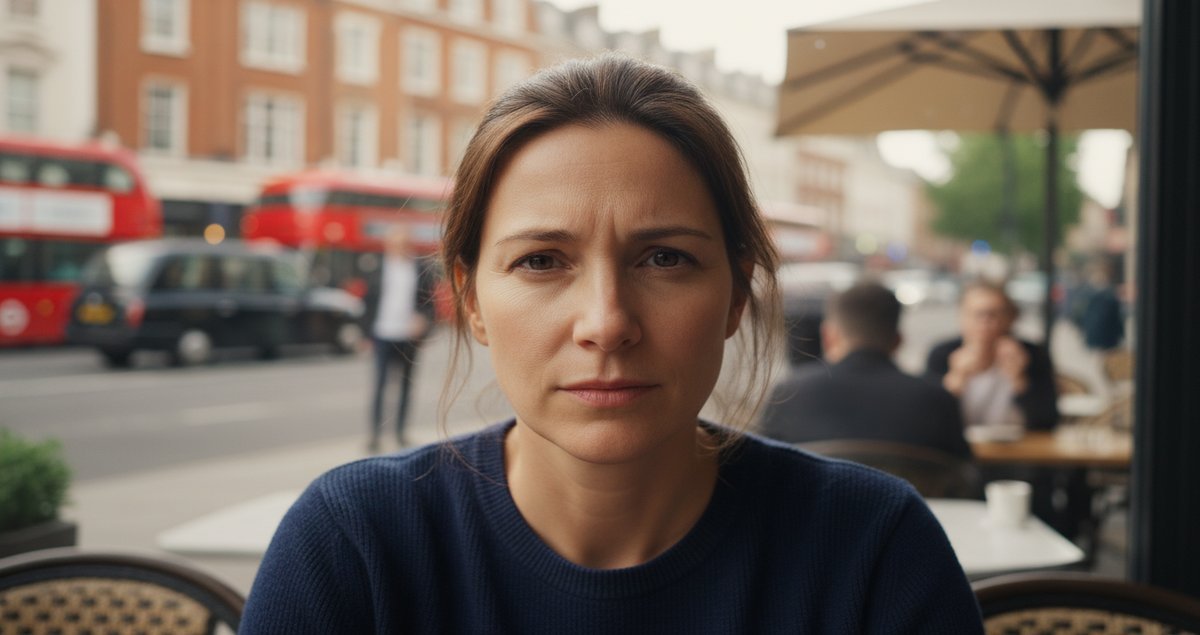
There is a small human gesture that quietly shifts how others measure your mind. It looks like nothing when it happens, one second of silence, a tiny breath, a microgap between question and reply. Yet that invisible fraction of time routinely makes people believe you have weighed the issue, that you have considered alternatives, that your words matter. This is not mere theatre. It is social currency.
Why a tiny silence reads as thought
When we listen to a person answer we are not assessing facts only. We are reading process. Fast answers register as reflex. Slow answers register as deliberation. The brain is a pattern machine and it learns to map timing onto competence. If you take a beat before replying people mentally insert the missing activity they expect to be happening inside you. They assume gears turning. That assumption often replaces direct evaluation of the content itself. In practical terms this means a calm one to three second pause can make a short answer feel like a considered conclusion.
Not all pauses are the same
There is nuance and craft in timing. Too short and the pause is invisible. Too long and the listener will begin to invent reasons for your silence that are not flattering. I have watched panels and meetings where a leader pauses, not because they lack an answer, but because they want the room to sink into the moment. It changes how people contextualise the reply that follows. The technique hinges on a visible steadiness. If the silence comes with darting eyes or nervous fiddling it loses its power and becomes anxious dead air.
What the evidence and professionals say
This is not just anecdote. Communication coaches and business strategists have been teaching the pause for years. It is cited in leadership training and media handling playbooks because it reliably changes perception. The trick is simple. Pause. Breathe. Then speak.
We are constantly on the move today. We walk too fast. We talk too fast. We cut people off in meetings before they have really finished. When we do all of that, we look incredibly rushed. Taking a two second pause can make you more approachable since preventing others from finishing their thoughts typically comes off as abrasive. They are so used to chaotic and now they see calm and confident.
Jeff Black Founder Black Sheep leadership development company as quoted in CNBC.
That practical observation from a leadership coach lines up with a deeper cultural truth. Silence has become rarer. With faster modes of communication and a premium on immediacy, a deliberate pause now stands out. It is marginally subversive. It signals a different tempo, one that many people unconsciously trust.
Reflection versus performance
Pause is often mistaken for performance. People who learn the tactic and deploy it mechanically can gain immediate advantage in first impressions. Nonetheless there is a distinction between the tactical pause and actual reflection. The lie of the pause is that it can be performed without thinking. The truth is that when you invest genuine consideration the pause is not a trick but a byproduct of a better cognitive process. In other words the most persuasive pauses are the ones earned.
How the pause shapes power dynamics
When a less powerful person pauses in front of a more powerful person the effect can be surprising. It shifts the relational balance. We expect deference to announce itself by quick compliance. A measured silence in response to an authority question reads instead as independent judgement. That is why teachers and interviewers often mistook quick volunteers for precociousness while slow replies are interpreted as thoughtful authority. The social reversal is uncomplicated but it is rarely recognised.
Pause also acts as a conversational pressure valve. In negotiations it forces counterparts to fill space. In interviews it converts rapid Q and A into reflective exchange. The ethical line appears when the pause becomes deliberate emotional pressure. If used without regard for the other person the pause can feel like a coaxed confession rather than a shared moment of thought.
Reflection is often viewed as a gloomy serious enterprise where you ask where have I failed and what should I do next. But you ought to look at the full range of things you have already done including non work tasks and pat yourself on the back occasionally.
Joseph L Badaracco Jr Professor Harvard Business School as quoted in Harvard Business School working knowledge.
Badaracco reminds us that pause is about reflection not rumination. The best pauses create space for judgement without turning the silence into self flagellation. They encourage the mind to surface options instead of panic.
How to practise without becoming a robot
Practising pause is less about timing drills and more about habit design. Start by noticing your impulse to rush. If you catch yourself about to speak then simply wait for one breath and see how the room changes. Add a small ritual if you need permission to delay. Name the pause aloud when it matters. Say I will take a moment to think. That line functions like a seal on the time you have bought. It reduces awkwardness and keeps the pause explicit rather than manipulative.
Do not over-polish. The danger of overtraining is that the pause will read as contrived. When the silence is natural the listener witnesses thinking. When it is forced the listener suspects calculation. The trick is to make the delay feel inevitable rather than strategic.
When not to pause
There are situations where speed is the message. In emergencies quick clarity trumps deliberation. In social banter constant slow replies will kill momentum. The judgement call is cultural and contextual. In a rapid agile team a second too many will look disengaged. In a panel discussion where nuance matters that same second will look commanding.
Personal irritation and political honesty
I confess a personal bias. I prefer pause to punditry. Hearing someone breathe before they speak is a relief in a landscape of snap interpretations and online hot takes. Yet I also get annoyed when pause becomes shorthand for virtue. There is an occasional social theatre where people pause to appear deep and then deliver platitude. That feels dishonest. I will choose a slightly imperfect but earnest speaker over a polished pauser who wants applause for being silent.
Some debates must be fast. Some reflections must be slow. The dangerous romanticism is to treat pause as a moral good rather than a tactical choice. It gives perception an edge but it does not guarantee wisdom.
Final thought that is deliberately unfinished
Silence is ambiguous by nature. The same pause can read as thought or as emptiness depending on so many small cues. That is the point. The pause asks listeners to participate. It asks them to decide what the silence means. That shared authorship of meaning is what makes the pause so potent and so fragile. It is a social tool that demands context empathy and occasional humility.
| Key idea | Practical take |
|---|---|
| Micropauses signal deliberation | Use one to three seconds to shift perception without creating strain. |
| Visibility matters | Pair silence with composed body language to avoid reading as anxiety. |
| Earned pause beats performed pause | Do real thinking not only theatre. If you are faking it people notice. |
| Context decides value | Choose speed in emergencies and pause in strategic conversations. |
| Ethical line | Avoid weaponising silence to coerce or shame others. |
FAQ
How long should a pause be to sound thoughtful but not hesitant
The sweet spot is brief. One to three seconds often does the job. Under one second the pause is invisible. Beyond three seconds listeners begin to look for alternative explanations for the delay. That said culture and context alter the range. International conversations or more formal forums can tolerate slightly longer silences. Practice will attune your internal clock to the setting you inhabit.
Won’t pausing make me seem unsure
Pausing by itself will not automatically create an impression of uncertainty. The framing determines the outcome. If you pause then follow with a clear structured reply listeners will read intent into the gap. If you pause and then trail off or fill the time with qualifying hedges listeners will read indecision. A small phrase that signals deliberation like let me think about that for a moment can convert a risky silence into an intentional one.
Can I use pauses strategically in interviews or negotiations
Yes but with caution. In interviews a short pause shows thoughtfulness and self awareness. In negotiations silence can create leverage but must be paired with empathetic body language. Use pause to invite clarity not to bully the other party into revelation. When used well it can make answers feel weighty and reduce the chance of misspeaks that you later regret.
How do I practise pausing without sounding robotic
Practice in low stakes situations. Start by reading a paragraph aloud and inserting deliberate pauses before key sentences. Notice the natural places where your breath fits the rhythm. Develop a small verbal cue to use when you want permission to think. Most importantly use the pause to actually think. If you internalise the habit it will stop feeling like a manoeuvre and become a natural component of your speech.
Is the pause effective in written communication
Literal silence does not exist in writing. However the principle translates. Short paragraphs and deliberate spacing invite the reader to slow down and reflect. Strategic line breaks or a simple sentence placed on its own line can create the sense of weight that a spoken pause provides.
There is no magic in silence. There is a craft. The brief pause after a question is a tool that, when handled with integrity and context sense, turns ordinary speech into considered communication. Use it thoughtfully and you will notice the room lean in.
